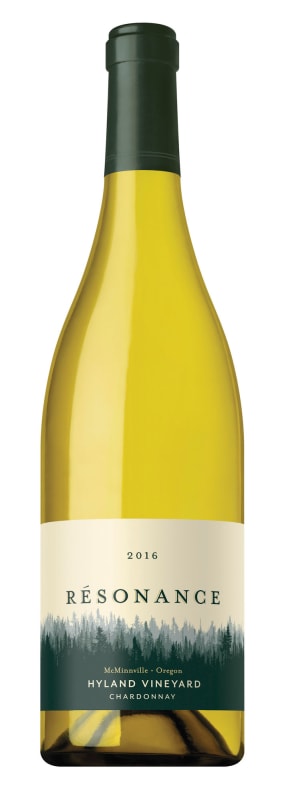


Winemaker Notes
A brilliant gold color wine. The nose is pure with citrus and yellow fruits aromas, white flowers and fine spices. The palate is pure too and well-balanced between the freshness of the acidity and the roundness of the alcohol. The minerality has a substantial presence and is very expressive, giving a nice fresh finale.
Pair with all seafood, light poultry and vegetables of simply on its own.
Professional Ratings
-
Wine Enthusiast
Another truly exceptional Chardonnay from Maison Jadot's Oregon project, this explosively aromatic wine offers a seamless mash-up of citrus, tree fruits and lemon verbena. Lighter suggestions of beeswax and a dash of pepper follow in succession through a finish with balance, length and precision.
-
Wine Spectator
Seamless and graceful, with stony mineral and lemon aromas that open to elegantly layered flavors of steely apple and spice that glide on a long finish. Drink now through 2021.
-
James Suckling
This offers a complex impression from the get-go with nougat, cashew-nut and biscuity aromas across yellow grapefruit and lemons. The palate rolls out smooth, lemon flavor with gently creamy and mealy complexity, as well as layered textural build. Complex style.
-
Wine & Spirits
From the Oregon project of Maison Louis Jadot in Burgundy, this is lean and penetrating, with scents of lemon and lees and flavors of pear and apple. After a day, it takes on a beguiling nutty, honeyed texture, suggesting that it will open up with cellar time.


One of the most popular and versatile white wine grapes, Chardonnay offers a wide range of flavors and styles depending on where it is grown and how it is made. While it tends to flourish in most environments, Chardonnay from its Burgundian homeland produces some of the most remarkable and longest lived examples. California produces both oaky, buttery styles and leaner, European-inspired wines. Somm Secret—The Burgundian subregion of Chablis, while typically using older oak barrels, produces a bright style similar to the unoaked style. Anyone who doesn't like oaky Chardonnay would likely enjoy Chablis.

Stretching southwest from the city of McMinnville, the AVA with the same name covers about 40,000 acres across 20 miles until it meets the Van Duzer Corridor. This corridor is the only break in the Coast Range whose gap allows the cool Pacific Ocean air to flow eastward into the Willamette Valley.
The Pacific's moderating winds hit McMinnville’s south and southeast facing slopes where cool-climate varieties—namely Pinot noir and Pinot blanc thrive on ridges at between 200 to 1,000 feet in elevation.
Soils here are primarily uplifted marine sedimentary loam and silt, with alluvial formations; McMinnville receives less rainfall than its neighbors to the east because it is situated in the rain shadow of the Coast Range.