
Winemaker Notes
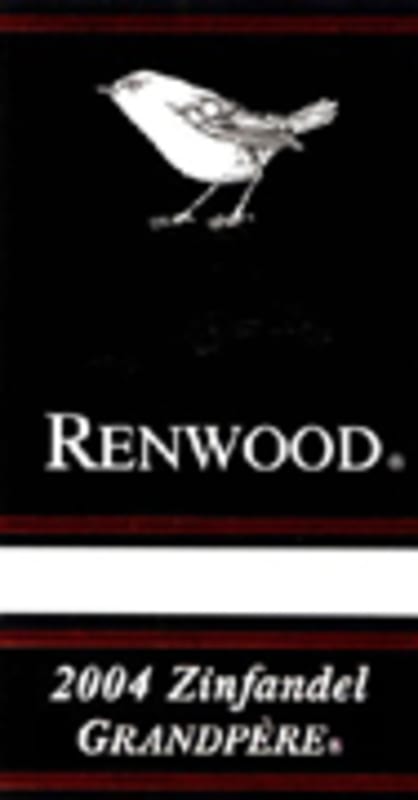
The small crop of 2004 produced a Grandpère Zinfandel so concentrated it is almost a syrup. It is a dark ruby color and its complex bouquet is full of rich, generous aromas of raspberry, vanilla and white pepper, with blasts of sweet cocoa and nutmeg. It provides an incredible depth of flavors including intense berry fruit, black cherry and dark bitter chocolate. It has rich, chalky tannins and a smooth but intense finish. This wine should age well for 10 years if carefully cellared.


Unapologetically bold, spice-driven and jammy, Zinfandel has secured its title as the darling of California vintners by adapting well to the state's diverse microclimates and landscapes. Born in Croatia, it later made its way to southern Italy where it was named Primitivo. Fortunately, the imperial nursery of Vienna catalogued specimens of the vine, and it later made its way to New England in 1829. Parading the true American spirit, Zinfandel found a new home in California during the Gold Rush of 1849. Somm Secret—California's ancient vines of Zinfandel are those that survived the neglect of Prohibition; today these vines produce the most concentrated, ethereal and complex examples.

Originally a source of oenological sustenance for gold-seeking miners of the mid-1800s, the Sierra Foothills was the first region in California to produce wines from European grape varieties. Located between Sacramento and the Nevada border, this area’s immigrant settlers chose to forgo growing the then-ubiquitous Mission grape and instead brought with them superior vines from the Old World to plant alongside mining camps.
Zinfandel has been the most important variety of this region since its inception, taking on a spicy character with brambly fruit and firm structure. Amador and El Dorado counties, benefiting from the presence of volcanic and granite soils, are home to the best examples. Bold, robust Rhône Blends and Barbera are also important regional specialties.