


Winemaker Notes
Garnet red color. Intense aroma of raspberry jam, blackberries and plums in alcohol, spiced with pepper, coriander and cinnamon. On the palate it is complex, harmonious, captivating, with incredible roundness and sweet tannins.
Perfect with red meats and seasoned cheeses, even spicy ones.
Blend: 45% Corvina, 30% Corvinone, 15% Rondinella, 5% Dindarella
Professional Ratings
-
James Suckling
Dried berry, red brick and bark character to the nose. Full-bodied with spicy fruit bound in lightly firm tannin and oak, producing a long finish. This feels very young and needs to unwind a bit more to bring out the complexity that lies under the surface. But it’s there, so worth waiting for. A sturdy red, built for the long term.
-
Vinous
The 2017 Amarone della Valpolicella Classico Riserva Montefante lifts from the glass with an inviting blend of crushed cherries and autumnal spices, complemented by dusty rose. It's soft textured and round, with depths of tart red and blue fruits offset by hints of blood orange and saline mineral tones. The 2017 finishes with staining length and a pleasantly bitter twang of dark chocolate that lingers on and on.
-
Wine Enthusiast
Brooding and dark aromas of macerated plums with bitter chocolate, dried herbs and a woodsy earthiness. The full-bodied palate has concentrated black-cherry preserves with a savory bitterness finishing with firm and well-structured tannins. Drink 2024–2045.
-
Decanter
Bright dark fruit aromas with fresh sour cherry notes, hints of sage, orange and potpourri. Warm on the palate. Peppery finish.


With hundreds of red grape varieties to choose from, winemakers have the freedom to create a virtually endless assortment of blended red wines. In many European regions, strict laws are in place determining the set of varieties that may be used, but in the New World, experimentation is permitted and encouraged resulting in a wide variety of red wine styles. Blending can be utilized to enhance balance or create complexity, lending different layers of flavors and aromas. For example, a red wine blend variety that creates a fruity and full-bodied wine would do well combined with one that is naturally high in acidity and tannins. Sometimes small amounts of a particular variety are added to boost color or aromatics. Blending can take place before or after fermentation, with the latter, more popular option giving more control to the winemaker over the final qualities of the wine.
How to Serve Red Wine
A common piece of advice is to serve red wine at “room temperature,” but this suggestion is imprecise. After all, room temperature in January is likely to be quite different than in August, even considering the possible effect of central heating and air conditioning systems. The proper temperature to aim for is 55° F to 60° F for lighter-bodied reds and 60° F to 65° F for fuller-bodied wines.
How Long Does Red Wine Last?
Once opened and re-corked, a bottle stored in a cool, dark environment (like your fridge) will stay fresh and nicely drinkable for a day or two. There are products available that can extend that period by a couple of days. As for unopened bottles, optimal storage means keeping them on their sides in a moderately humid environment at about 57° F. Red wines stored in this manner will stay good – and possibly improve – for anywhere from one year to multiple decades. Assessing how long to hold on to a bottle is a complicated science. If you are planning long-term storage of your reds, seek the advice of a wine professional.
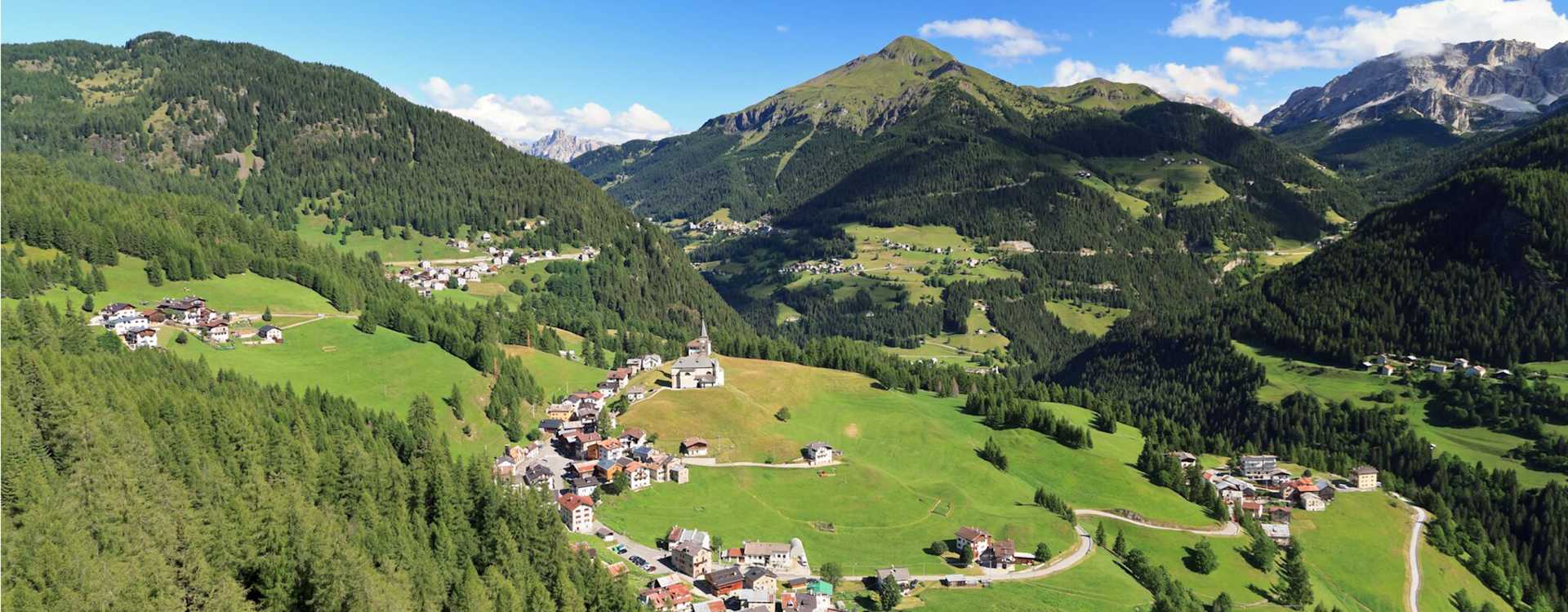
Among the ranks of Italy’s quintessential red wines, Valpolicella literally translates to the “valley of cellars” and is composed of a series of valleys (named Fumane, Marano and Negrare) that start in the pre-alpine Lissini Mountains and end in the southern plains of the Veneto. Here vineyards adorn the valley hillsides, rising up to just over 1,300 feet.
The classification of its red wines makes this appellation unique. Whereas most Italian regions claim the wines from one or two grapes as superior, or specific vineyards or communes most admirable, Valpolicella ranks the caliber of its red wines based on delimited production methods, and every tier uses the same basic blending grapes.
Corvina holds the most esteem among varieties here and provides the backbone of the best reds of Valpolicella. Also typical in the blends, in lesser quantities, are Rondinella, Molinara, Oseleta, Croatina, Corvinone and a few other minor red varieties.
Valpolicella Classico, the simplest category, is where the region’s top values are found and resembles in style light and fruity Beaujolais. The next tier of reds, called Valpolicella Superiore, represents a darker and more serious and concentrated expression of Valpolicella, capable of pairing with red meat, roast poultry and hard cheeses.
Most prestigious in Valpolicella are the dry red, Amarone della Valpolicella, and its sweet counterpart, Recioto della Valpolicella. Both are created from harvested grapes left to dry for three to five months before going to press, resulting in intensely rich, lush, cerebral and cellar-worthy wines.
Falling in between Valpolicella Superiore and Amarone is a style called Valpolicella Ripasso, which has become immensely popular only since the turn of the century. Ripasso literally means “repassed” and is made by macerating fresh Valpolicella on the pressed grape skins of Amarone. As a result, a Ripasso will have more depth and complexity compared to a regular Superiore but is more approachable than an Amarone.