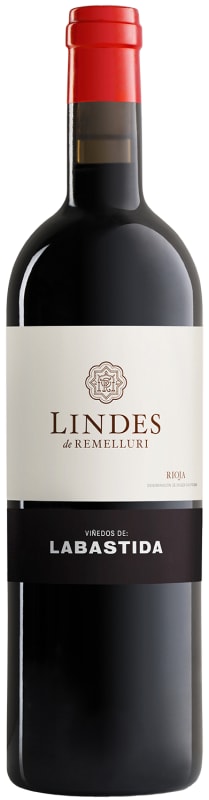


Winemaker Notes
Expressive nose with aromas of ripe red fruits, licorice, vanilla and coconut. It has velvety tannins, the acidity is well-balanced by the flavor concentration and the finish is persistent.
Lindes Viñedos de Labastida is a selection of 15.4 ha divided between eight growers and 28 small plots, which express the peculiarities of this municipality, the birthplace of many of the most important wines in the history of Rioja. The vineyards range in altitude from 440m to 710m, offering a gorgeously perfumed expression of tempranillo. The cooler, rockier, and higher elevation sites in Labastida produce a wine lower in alcohol but higher in acidity and tannins than that of neighboring San Vicente de la Sonsierra.
Professional Ratings
-
Robert Parker's Wine Advocate
The 2021 Viñedos de Labastida is one of the largest cuvées, one of the wines produced from the beginning of the project together with the one from San Vicente de la Sonsierra, completely different volumes than the other wines. It comes from many different vineyards, from 440 to 710 meters above sea level in a diversity of soils and orientations and, as such, has a majority of Tempranillo, with some Garnacha, Graciano and most probably small percentages of other varieties. All the wines are produced in the same way to showcases the differences between villages: the grapes are hand harvested into small cases, go through a sorting table and ferment with indigenous yeasts in stainless steel vats. The wines age in barrels of different sizes for 12 months. This has a very balsamic and herbal nose, with 14.1% alcohol and is serious and austere, with great freshness despite numbers that are nothing special in terms of pH and total acidity.
-
James Suckling
A round Rioja with fleshy black fruit, grilled spices and herbs. It shows flesh and volume on the palate with polished, creamy tannins. Fresh acidity, with a long and lightly spicy finish. Drink now or hold.
-
Vinous
The 2021 Lindes de Remelluri Viñedos de Labastida combines 89% Tempranillo, 5% Garnacha and 6% Graciano, sourced from a patchwork of soils and altitudes in Labastida, Rioja Alavesa. Complex and layered, it opens with red and black fruit, gentle herbal notes and a touch of jam. A slightly floral tone reflects the site's character. In the mouth, reactive tannins lend drive and structure, while the fine, chalky texture reigns in the juicy, expansive palate. The year's clarity has enhanced the overall definition.


Hailed as the star red variety in Spain’s most celebrated wine region, Tempranillo from Rioja, or simply labeled, “Rioja,” produces elegant wines with complex notes of red and black fruit, crushed rock, leather, toast and tobacco, whose best examples are fully capable of decades of improvement in the cellar.
Rioja wines are typically a blend of fruit from its three sub-regions: Rioja Alta, Rioja Alavesa and Rioja Oriental, although specific sub-region (zonas), village (municipios) and vineyard (viñedo singular) wines can now be labeled. Rioja Alta and Alavesa, at the highest elevations, are considered to be the source of the brightest, most elegant fruit, while grapes from the warmer and drier, Rioja Oriental, produce wines with deep color, great body and richness.