


Winemaker Notes
This wine is produced by blending Grillo grapes picked at different times during harvest. The early harvested grapes instill freshness and hints of minerality, while the grapes harvested later provide structure and depth. A very expressive wine on both the nose and the palate, the 2022 Cavallo delle Fate exhibits notes of nectarine, white melon and citrus, combined with floral notes that culminate in a deep, slightly savory, incredibly enjoyable finish.
Professional Ratings
-
James Suckling
Fresh and citrusy on the nose with green apples, white flowers and white pepper on offer. Medium-bodied, chalky and crisp on the palate with vivid acidity cutting through. Flavorful finish.
-
Wine Enthusiast
Tennis balls, sliced lemons and limes and then the savory, herbal aroma of fresh thyme emerge on the nose before a citrus, saline palate that's so rich and round but also piquant that it recalls fresh olive oil.
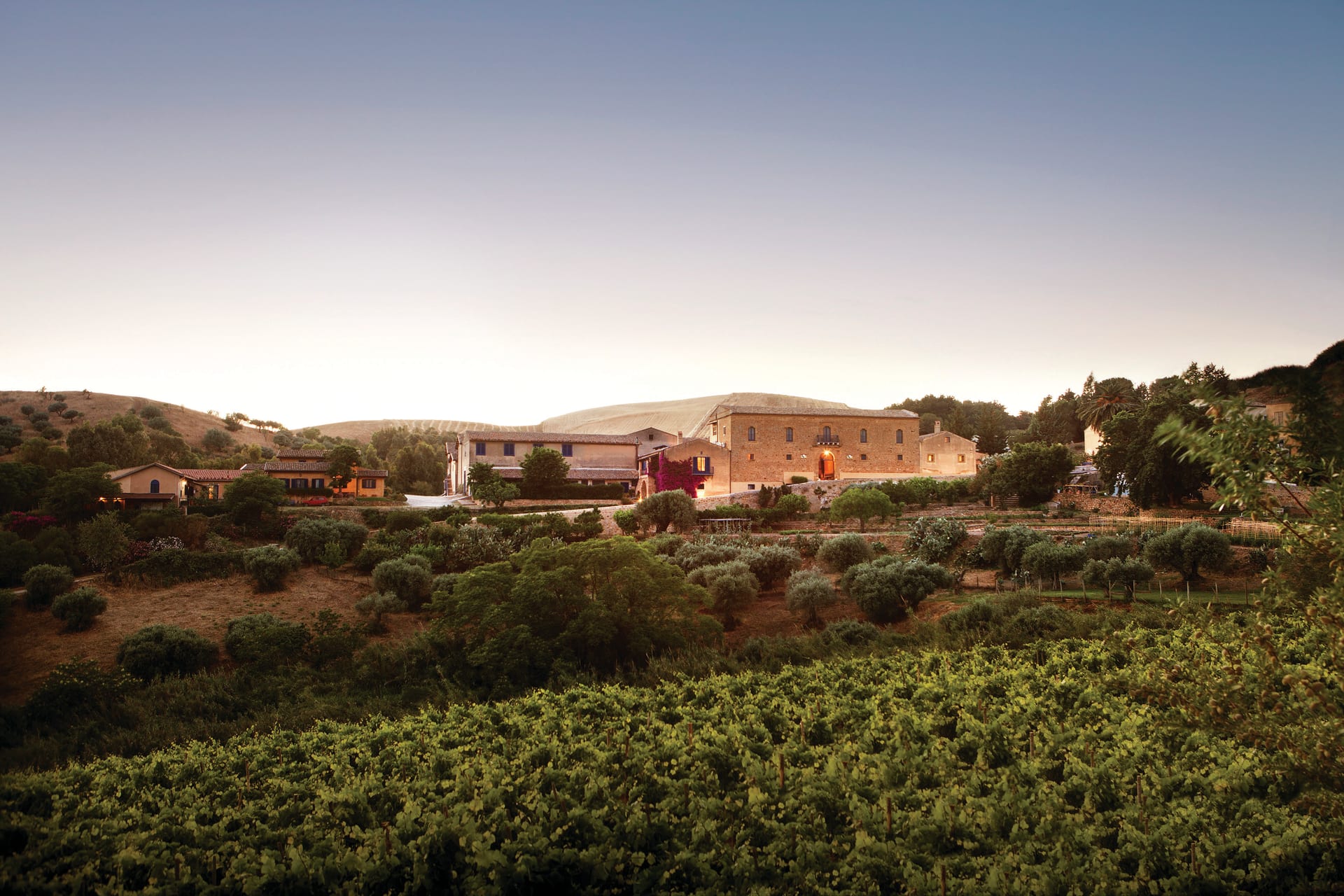



"Regaleali is a vast Sicilian estate owned by the noble Tasca d'Almerita family since 1837 and best-known for its fine wines. Sicily's viticultural roots are some of the world's most ancient as the area supported vines as far back as five centuries before Christ. The Tasca D'Almerita family runs a model estate that yields approximately 200,000 cases annually. The wines are made in one of the world's most modern wineries built under the direction of Ezio Rivella.
The wines of Regaleali continue to grow in both quantity and quality thanks to the hard work and dedication of Count Giuseppe Tasca over the past 50 years. Today the winery is run by Lucio Tasca and his sons, Giuseppe and Alberto who are increasingly involved in management. Carlo Ferrini, one of Italy's most renown enologists, is makes the wines. In conjunction with the winery, Anna Tasca Lanza - Lucio's sister – also runs a highly regarded cooking school at the estate."

Full-bodied and delicately aromatic, Grillo is one of Sicily’s most valued white grape varieties. While it is an important ingredient in Marsala, it also makes a delicious dry white on its own or does well blended. Somm Secret—Grillo is a natural genetic cross of Sicily’s indigenous Catarratto with Muscat of Alexandria and typically grows well in the gobelet system (bush vines).

A large, geographically and climatically diverse island, just off the toe of Italy, Sicily has long been recognized for its fortified Marsala wines. But it is also a wonderful source of diverse, high quality red and white wines. Steadily increasing in popularity over the past few decades, Italy’s fourth largest wine-producing region is finally receiving the accolades it deserves and shining in today's global market.
Though most think of the climate here as simply hot and dry, variations on this sun-drenched island range from cool Mediterranean along the coastlines to more extreme in its inland zones. Of particular note are the various microclimates of Europe's largest volcano, Mount Etna, where vineyards grow on drastically steep hillsides and varying aspects to the Ionian Sea. The more noteworthy red and white Sicilian wines that come from the volcanic soils of Mount Etna include Nerello Mascalese and Nerello Cappuccio (reds) and Carricante (whites). All share a racy streak of minerality and, at their best, bear resemblance to their respective red and white Burgundies.
Nero d’Avola is the most widely planted red variety, and is great either as single varietal bottling or in blends with other indigenous varieties or even with international ones. For example, Nero d'Avola is blended with the lighter and floral, Frappato grape, to create the elegant, Cerasuolo di Vittoria, one of the more traditional and respected Sicilian wines of the island.
Grillo and Inzolia, the grapes of Marsala, are also used to produce aromatic, crisp dry Sicilian white. Pantelleria, a subtropical island belonging to the province of Sicily, specializes in Moscato di Pantelleria, made from the variety locally known as Zibibbo.