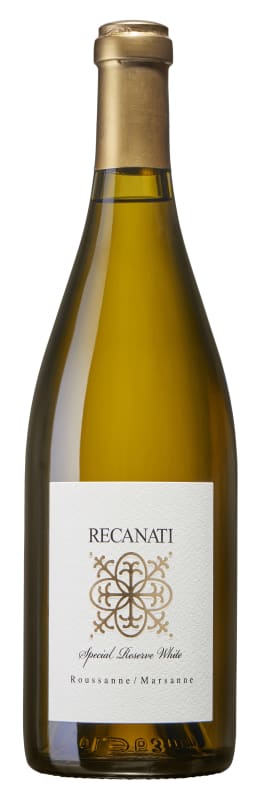


Winemaker Notes
Pale gold. Scents of apricot, citrus, tropical fruits with a hint of ginger. Medium-bodied and well-balanced, with flavors of tropical and citrus fruit against a backdrop of refreshing acidity. Flavors of lemon, kumquat, grapefruit, peach and cream.
Enjoy on its own or as a perfect complement to creamy pastas, chicken, turkey and fresh fish entrees.
This wine is Kosher for Passover
Professional Ratings
-
Robert Parker's Wine Advocate
The 2014 Special Reserve white is a 60/40 blend of Roussanne and Marsanne, aged for six months in French barriques (30% new, the rest used). It comes in at 12.5% alcohol. This started to show well when it hit mid-50 degrees Fahrenheit. At that point, it had a touch of mushrooms and velvety texture. The mushrooms and earth gave way to fine fruit with a rich, lush feel. Then, it added some tension and grip on the finish. There's a lot going on here, but in terms of concentration and structure, it seems rather superlative this year. It finishes with flavor, tinged with a touch of metal. It will be interesting to see how this ages, but there is no harm drinking it now. It can still improve. We'll take the aging curve in stages.


With hundreds of white grape varieties to choose from, winemakers have the freedom to create a virtually endless assortment of blended white wines. In many European regions, strict laws are in place determining the set of varieties that may be used in white wine blends, but in the New World, experimentation is permitted and encouraged. Blending can be utilized to enhance balance or create complexity, lending different layers of flavors and aromas. For example, a variety that creates a soft and full-bodied white wine blend, like Chardonnay, would do well combined with one that is more fragrant and naturally high in acidity. Sometimes small amounts of a particular variety are added to boost color or aromatics. Blending can take place before or after fermentation, with the latter, more popular option giving more control to the winemaker over the final qualities of the wine.

With a rich history of wine production dating back to biblical times, Israel is a part of the cradle of wine civilization. Here, wine was commonly used for religious ceremonies as well as for general consumption. During Roman times, it was a popular export, but during Islamic rule around 1300, production was virtually extinguished. The modern era of Israeli winemaking began in the late 19th century with help from Bordeaux’s Rothschild family. Accordingly, most grapes grown in Israel today are made from native French varieties. Indigenous varieties are all but extinct, though oenologists have made recent attempts to rediscover ancient varieties such as Marawi for commercial wine production.
In Israel’s Mediterranean climate, humidity and drought can be problematic, concentrating much of the country’s grape growing in the north near Galilee, Samaria near the coast and at higher elevations in the east. The most successful red varieties are Cabernet Sauvignon, Merlot, and Syrah, while the best whites are made from Chardonnay and Sauvignon Blanc. Many, though by no means all, Israeli wines are certified Kosher.