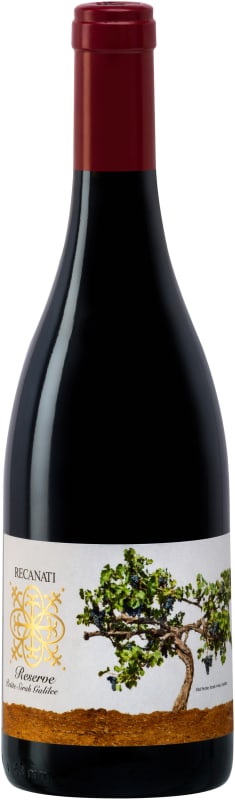


Winemaker Notes
Dark violet. Complex aromas of ripe plum and black cherry mingled with notes of dark chocolate. Soft, velvety and delicious, this full-bodied red will age gracefully over the next 5 years.
Savor with rich stews, red meats and hearty pasta dishes. Also superb with hard, aged cheeses. For maximum enjoyment, decant for one hour prior to drinking and serve at cool room temperature.
This wine is Kosher for Passover
Professional Ratings
-
Wine Enthusiast
This deep ruby-colored wine offers a bouquet of black currant and caramel. On the palate, there is a nice mix of fruit and cooling herb flavors such as cassis, black cherry, plum, mint, licorice and clove. Deft tannins linger on the eucalyptus finish.
-
Robert Parker's Wine Advocate
The 2017 Petite Sirah Reserve was aged in a 60/40 mixture of stainless steel and used oak (90% French). It comes in at 14% alcohol. As I was tasting this, granting that the others were not side by side with it, this seemed like one of the best in the brand for a while. It has a touch of its typical cream and vanilla up front, but that integrates as time goes on. It is beautifully structured, lingers nicely on the finish and has impressive concentration for the level and grape. Sleek and polished, this also has a little sex appeal. This can be drunk now, but it should be better in a year. It should hold reasonably well thereafter, maybe longer than anticipated.


With its deep color, firm tannins and bold flavors, there is nothing petite about Petite Sirah. The variety, originally known as Durif in the Rhône, took on its more popular moniker after being imported to California in the early 1880s. Quintessentially recognized today as a grape of the Golden State, Petite Sirah works well blended with Zinfandel and finds success as a single varietal wine in the state’s warmer districts. Somm Secret—Petite Sirah is not a smaller version of Syrah but it is an offspring of Syrah and the now nearly extinct French Alpine variety called Peloursin.

With a rich history of wine production dating back to biblical times, Israel is a part of the cradle of wine civilization. Here, wine was commonly used for religious ceremonies as well as for general consumption. During Roman times, it was a popular export, but during Islamic rule around 1300, production was virtually extinguished. The modern era of Israeli winemaking began in the late 19th century with help from Bordeaux’s Rothschild family. Accordingly, most grapes grown in Israel today are made from native French varieties. Indigenous varieties are all but extinct, though oenologists have made recent attempts to rediscover ancient varieties such as Marawi for commercial wine production.
In Israel’s Mediterranean climate, humidity and drought can be problematic, concentrating much of the country’s grape growing in the north near Galilee, Samaria near the coast and at higher elevations in the east. The most successful red varieties are Cabernet Sauvignon, Merlot, and Syrah, while the best whites are made from Chardonnay and Sauvignon Blanc. Many, though by no means all, Israeli wines are certified Kosher.