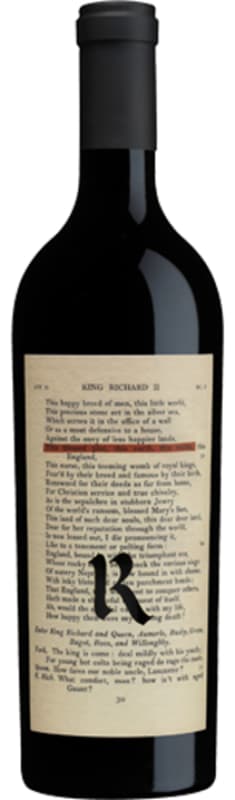


Winemaker Notes
This wine opens with complex layers of dark plum, black cherry, cocoa, and bergamot. It is a dark, lush, and velvety wine with all the fruit and personality in perfect balance. 2019 The Bard offers plenty of pleasure even in its youth, with poise and approachability.
Professional Ratings
-
Jeb Dunnuck
The 2019 The Bard checks in as 81% Cabernet Sauvignon, 14% Merlot, and the rest Petit Verdot, and it’s another dense, rich, powerful wine from this team that readers are going to absolutely love. Coming from throughout the valley (it’s always a great representation of the vintage), it offers up a brilliant nose of crème de cassis, ripe plums, graphite, scorched earth, and chocolate. About as seamless as they come on the palate, it’s full-bodied and has a thrilling texture, building tannins, and a gorgeous finish. It’s one of those wines where I feel like I’m overusing adjectives, but it’s warranted.
-
James Suckling
Fantastic aromas of blackcurrants and graphite, then plums, licorice and violets. Medium to full body with a cashmere quality to the tannins. Length and true beauty. This has a really luxurious feel to it. 81% cabernet sauvignon, 14% merlot and 5% petit verdot.
-
Robert Parker's Wine Advocate
A blend of 81% Cabernet Sauvignon, 14% Merlot and 5% Petit Verdot, the fruit for the 2019 The Bard fetches from Calistoga to Coombsville, including potions from illustrious vineyards such as Dr. Crane, Moonracer, Houyi and Larkmead. Deep garnet-purple colored, the nose bursts with bold notions of blackcurrant pastilles, wild blueberries and chocolate-covered cherries, plus suggestions of violets, star anise and unsmoked cigars. The full-bodied palate is chock-full of bright, crunchy black and blue fruits, framed by very fine-grained tannins and beautiful freshness, finishing with lots of floral and exotic spice layers. This 2019 is particularly spectacular, drinking beautifully now and yet has the stuffing to cellar beautifully for 20 years+.


Undoubtedly proving its merit over and over, Napa Valley is a now a leading force in the world of prestigious red wine regions. Though Cabernet Sauvignon dominates Napa Valley, other red varieties certainly thrive here. Important but often overlooked include Merlot and other Bordeaux varieties well-regarded on their own as well as for their blending capacities. Very old vine Zinfandel represents an important historical stronghold for the region and Pinot noir is produced in the cooler southern parts, close to the San Pablo Bay.
Perfectly situated running north to south, the valley acts as a corridor, pulling cool, moist air up from the San Pablo Bay in the evenings during the hot days of the growing season, which leads to even and slow grape ripening. Furthermore the valley claims over 100 soil variations including layers of volcanic, gravel, sand and silt—a combination excellent for world-class red wine production.