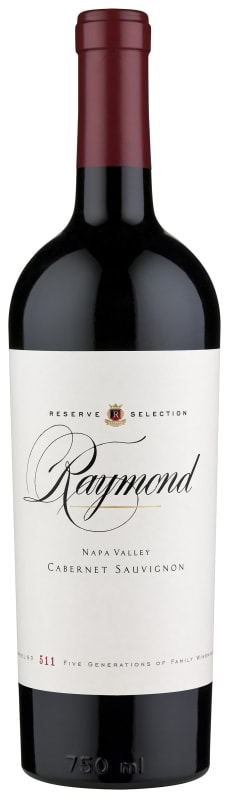


Winemaker Notes
Professional Ratings
-
Robert Parker's Wine Advocate
The generic 2013 Cabernet Sauvignon Napa Valley Reserve comes from a mix of sites, ranging from Yountville in the south to Calistoga in the north, as well as some mountain vineyards, such as Atlas Peak. A blend of 91% Cabernet Sauvignon and the rest Petite Sirah, Petit Verdot, Malbec and Cabernet Franc, it has a dense purple color and a beautiful nose of blue and black fruit, licorice, graphite and subtle toast. It spent 18 months in 100% new French oak and was bottled unfiltered. This beauty can be drunk now or cellared for another two decades or more.
-
Wine Enthusiast
A larger offering from the producer, this is well crafted at an extremely fair price. Raspberry dances around spicy acidity, dusty tar and notions of cedar, pencil and black olive. It remains fairly approachable on the palate in its well-integrated oak and tannin. EDITORS' CHOICE
-
Wine Spectator
Elegantly styled, with refined spicy oak, currant, dark berry and licorice notes. Shows an impressive integration of flavors and textural nuance. Drink now through 2024.
-
Wilfred Wong of Wine.com
In the era of high-powered red wines, the 2013 Raymond Reserve Selection Cabernet Sauvignon fits well amongst its peers. This wine offers bold black fruits and a full-bodied presence. Its richness pairs well with flavorful washed-rind, cow's milk cheeses. (Tasted: April 14, 2017, San Francisco, CA)


One of the most prestigious wines of the world capable of great power and grace, Napa Valley Cabernet is a leading force in the world of fine, famous, collectible red wine. Today the Napa Valley and Cabernet Sauvignon are so intrinsically linked that it is difficult to discuss one without the other. But it wasn’t until the 1970s that this marriage came to light; sudden international recognition rained upon Napa with the victory of the Stag’s Leap Wine Cellars 1973 Cabernet Sauvignon in the 1976 Judgement of Paris.
Cabernet Sauvignon undoubtedly dominates Napa Valley today, covering half of the land under vine, commanding the highest prices per ton and earning the most critical acclaim. Cabernet Sauvignon’s structure, acidity, capacity to thrive in multiple environs and ability to express nuances of vintage make it perfect for Napa Valley where incredible soil and geographical diversity are found and the climate is perfect for grape growing. Within the Napa Valley lie many smaller sub-AVAs that express specific characteristics based on situation, slope and soil—as a perfect example, Rutherford’s famous dust or Stags Leap District's tart cherry flavors.