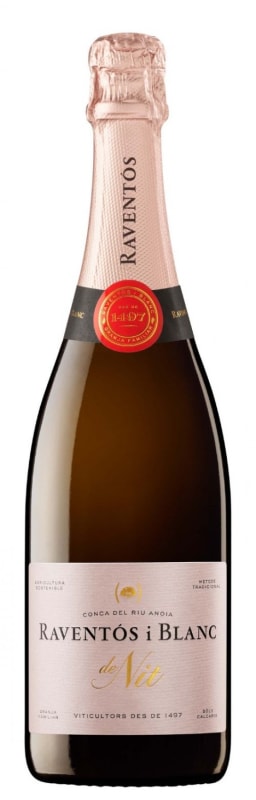


Winemaker Notes
A creamy, floral nose leads to crisp, elegant and refreshing palate of berry fruit. A long and vibrant finish invites the next sip.
Blend: 38% Xarel·lo, 30% Macabeu, 26% Parellada, 6% Monastrell
Professional Ratings
-
Decanter
There is Cava and then there are the wines made by Raventós i Blanc. This unusually elegant pink sparkler gets its super-pale hue from an addition of Monastrell from almost 50-year-old vines; some of the Xarel.lo and Parellada vines that also contribute fruit to this wine are even older. Juicy, peppery cherry on the nose spells immediate freshness, with more berry trailing in its wake. Elegance, saltiness, cherry juice and brightness make this a light-footed, peppery and totally mouthwatering aperitif.
-
Wine Spectator
A firm, focused sparkler, with a pleasingly crisp, lightly chalky texture, this offers a subtle, savory overtone of smoke, stone and grilled herbs and flavors of black cherry, pickled ginger and almond pastry. Fresh finish.


What are the different types of sparkling rosé wine?
Rosé sparkling wines like Champagne, Prosecco, Cava, and others make a fun and festive alternative to regular bubbles—but don’t snub these as not as important as their clear counterparts. Rosé Champagnes (i.e., those coming from the Champagne region of France) are made in the same basic way as regular Champagne, from the same grapes and the same region. Most other regions where sparkling wine is produced, and where red grape varieties also grow, also make a rosé version.
How is sparkling rosé wine made?
There are two main methods to make rosé sparkling wine. Typically, either white wine is blended with red wine to make a rosé base wine, or only red grapes are used but spend a short period of time on their skins (maceration) to make rosé colored juice before pressing and fermentation. In either case the base wine goes through a second fermentation (the one that makes the bubbles) through any of the various sparkling wine making methods.
What gives rosé Champagne and sparkling wine their color and bubbles?
The bubbles in sparkling wine are formed when the base wine undergoes a secondary fermentation, which traps carbon dioxide inside the bottle or fermentation vessel. During this stage, the yeast cells can absorb some of the wine’s color but for the most part, the pink hue remains.
How do you serve rosé sparkling wine?
Treat rosé sparkling wine as you would treat any Champagne, Prosecco, Cava, and other sparkling wine of comparable quality. For storing in any long-term sense, these should be kept at cellar temperature, about 55F. For serving, cool to about 40F to 50F. As for drinking, the best glasses have a stem and a flute or tulip shape to allow the bead (bubbles) and beautiful rosé hue to show.
How long do rosé Champagne and sparkling wine last?
Most rosé versions of Prosecco, Champagne, Cava or others around the “$20 and under” price point are intended for early consumption. Those made using the traditional method with extended cellar time before release (e.g., Champagne or Crémant) can typically improve with age. If you are unsure, definitely consult our Customer Care team for guidance.

A superior source of white grapes for the production of Spain’s prized sparkling wine, Cava, the Penedes region is part of Catalunya and sits just south of Barcelona. Medio Penedès is the most productive source of the Cava grapes, Macabeo, Xarel-lo, and Parellada. Penedes also grows Garnacha and Tempranillo (here called Ull de Llebre in Catalan), for high quality reds and rosès.