
Winemaker Notes
We kept fermentation temperature at 85o F for five days. The must was circulated frequently in order to keep the cap cool and moist. We feel this process accentuates the wonderful zesty character of the Zinfandel grape. The fermenting wine was removed from skins and seeds before it reached total dryness.
The juice then underwent malolactic fermentation to soften the acids. After settling, the wine was racked into a combination of French, American, and European medium toast oak barrels for twelve months to deepen the flavors and add the spicy, toasty layers to the wine.
Professional Ratings


Unapologetically bold, spice-driven and jammy, Zinfandel has secured its title as the darling of California vintners by adapting well to the state's diverse microclimates and landscapes. Born in Croatia, it later made its way to southern Italy where it was named Primitivo. Fortunately, the imperial nursery of Vienna catalogued specimens of the vine, and it later made its way to New England in 1829. Parading the true American spirit, Zinfandel found a new home in California during the Gold Rush of 1849. Somm Secret—California's ancient vines of Zinfandel are those that survived the neglect of Prohibition; today these vines produce the most concentrated, ethereal and complex examples.
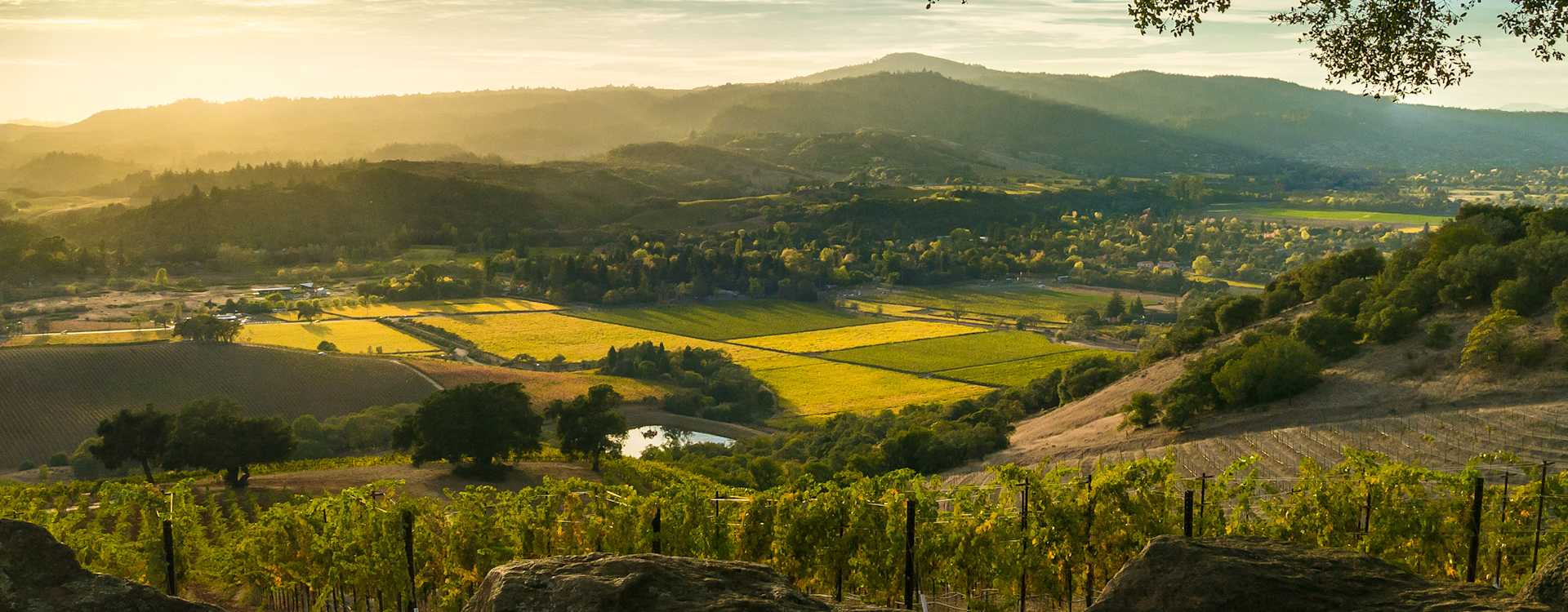
Home to a diverse array of smaller AVAs with varied microclimates and soil types, Sonoma County has something for every wine lover. Physically twice as large as Napa Valley, the region only produces about half the amount of wine but boasts both tremendous quality and variety. With its laid-back atmosphere and down-to-earth attitude, the wineries of Sonoma are appreciated by wine tourists for their friendliness and approachability. The entire county intends to become a 100% sustainable winegrowing region by 2019.
Sonoma County wines are produced with carefully selected grape varieties to reflect the best attributes of their sites—Dry Creek Valley’s consistent sunshine is ideal for Zinfandel, while the warm Alexander Valley is responsible for rich, voluptuous red wines like Cabernet Sauvignon. Chardonnay and Pinot Noir are important throughout the county, most notably in the cooler AVAs of Russian River, Sonoma Coast and Carneros. Sauvignon Blanc, Merlot and Syrah have also found a firm footing here.