

Winemaker Notes
Professional Ratings
-
Wine Enthusiast
Nutty hazelnut and stony minerality combine seamlessly in this impressive white from the coastal appellation. Full bodied, concentrated and structured, it imparts steely, lively flavors of lemon peel and tangerine, finishing with a soft silkiness to the texture and overall balance of weight.
-
Wine Spectator
Rich and well-sculpted, with lemon-lime notes to the fresh-cut apple, quince and pear flavors. Minerally midpalate, offering refreshing saline and flinty hints on the structured finish. Drink now through 2024.
-
Jeb Dunnuck
Plenty of white flowers, salty minerality, and lemon curd notes emerge from the 2016 Chardonnay Fort Ross-Seaview, a beautifully balanced, crisp, classic wine from Ramey that will keep for 7-8 years, probably longer. It’s also a great introduction into the style of wines of Dave Ramey.
-
Robert Parker's Wine Advocate
The 2016 Chardonnay Sonoma Coast comes mainly from Martinelli's Charles Ranch vineyard, with vines planted in 1982. Grapes are whole-cluster pressed and fermented in barrel with bâtonnage, then aged 12 months in 12% new French oak. It has a lovely toasty nose with buttered popcorn hints over lemon pith, soft melon and stone. Medium to full-bodied, it has concentrated ripe fruits in the mouth with accents of toast and roasted almonds, lifted by great tangy acidity and finishing very long and very lively.



David Ramey is among a distinguished group of pioneering American vintners who revolutionized modern-day winemaking and elevated California to the forefront of the international wine community. Hailed as “Professor Chardonnay” by Wine Spectator, David’s groundbreaking work with indigenous yeasts, sur lies aging and malolactic and barrel fermentation yielded a new California Chardonnay style that was richer, more lush and silky smooth. Ramey Wine Cellars crafts exceptional expressions of Chardonnay, Cabernet Sauvignon, Syrah, and Pinot Noir from top vineyards in Sonoma and Napa.
After earning a graduate degree at UC Davis, with his thesis on how aromas evolve in wine, David Ramey pursued a hands-on education in Old World winemaking traditions. He worked at Chateau Pétrus and would later apply these time-honored methods to California’s premier vineyards. In California, David led winemaking for Matanzas Creek, Chalk Hill, Dominus Estate and Rudd Estate. In 1996, David and his wife Carla founded Ramey Wine Cellars with the vision of crafting classically styled, elegant and balanced wines that age beautifully.
Still exclusively owned by the Rameys, the next generation, Claire and Alan Ramey, work at the winery as well. They have been training under their father and working in various roles across the winery, from vineyards to production to winemaking and more. Over the years, a team of highly talented colleagues have joined the winery where they continually push to make the best wines possible. Ramey Wine Cellars crafts exceptional expressions of Chardonnay, Cabernet Sauvignon, Syrah, and Pinot Noir from top vineyards in Sonoma and Napa. Tastings are offered by appointment in Healdsburg, California.

One of the most popular and versatile white wine grapes, Chardonnay offers a wide range of flavors and styles depending on where it is grown and how it is made. While it tends to flourish in most environments, Chardonnay from its Burgundian homeland produces some of the most remarkable and longest lived examples. California produces both oaky, buttery styles and leaner, European-inspired wines. Somm Secret—The Burgundian subregion of Chablis, while typically using older oak barrels, produces a bright style similar to the unoaked style. Anyone who doesn't like oaky Chardonnay would likely enjoy Chablis.
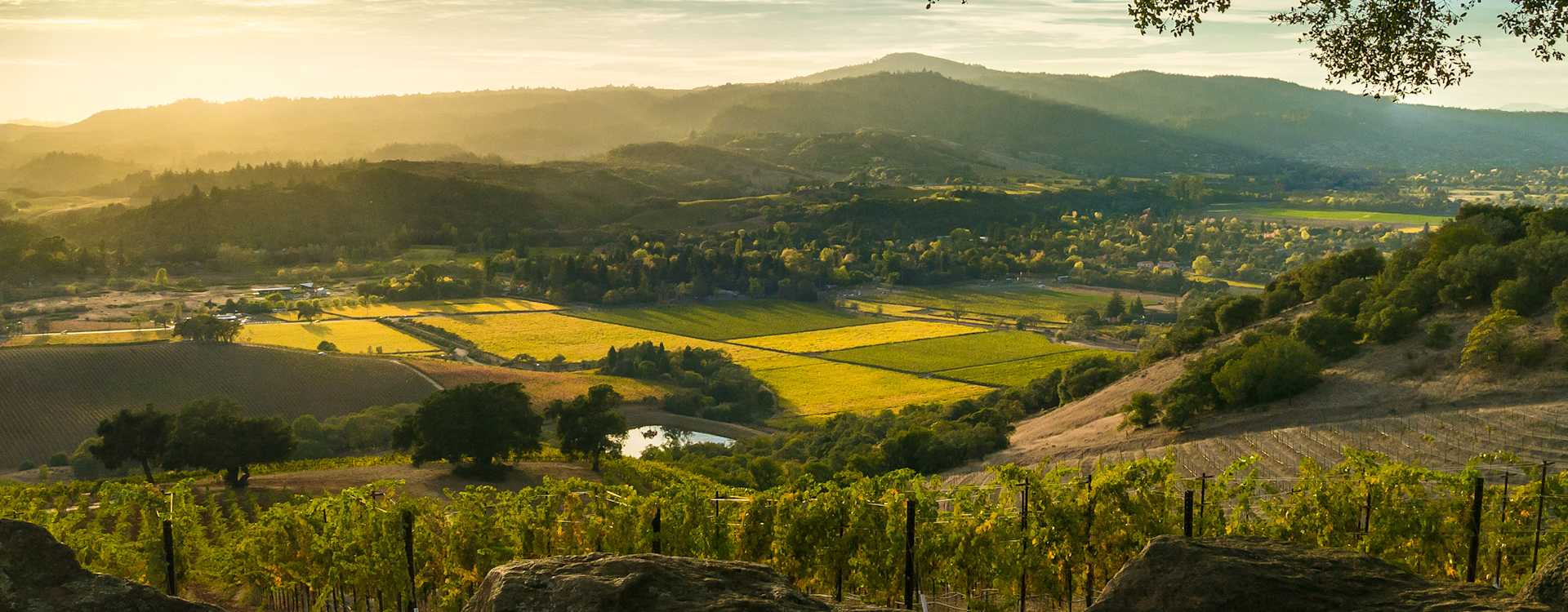
On the far western edge of the larger Sonoma Coast appellation, the Fort Ross-Seaview AVA hugs right up against the Pacific coast. Vineyards, planted at rugged elevations between 920 to 1,800 feet, occupy only two percent of the total land in the AVA. Fort Ross-Seaview growers believe that the region boasts an ideal mix of sunshine, cool air and beneficial stress for producing high quality Chardonnay and Pinot noir.