

Winemaker Notes
Professional Ratings
-
Wine Enthusiast
On first sniff, a soft wood note jumps from the glass, but once you look past that, you get to toasted apple slices, orange peel and Honeycomb cereal tones beneath, with hints of dried fynbos, sage and lemon wax at the back. The mouthfeel is fleshy, almost generous, with solid wood-grilled apple and orange oil flavors that carry through to the close. Ample acidity and a pleasant texture kicks in to enliven the feel, with lovely spiced orange tea and dried fynbos tones lingering on the close.
-
James Suckling
Another outstanding chenin blanc with sliced-apple and white-peach character. Medium body, bright acidity and a dry finish.
-
Robert Parker's Wine Advocate
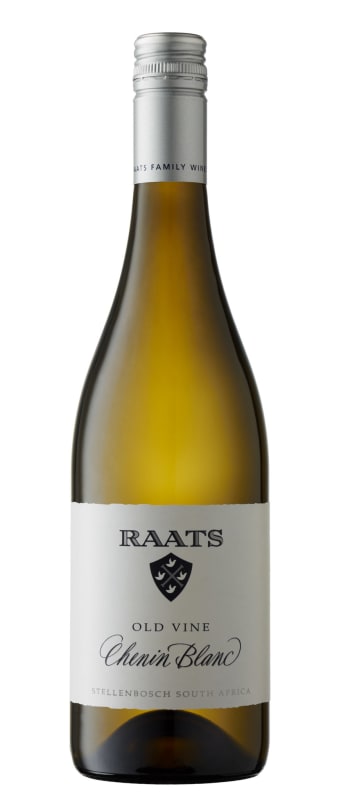
On the nose, the 2017 Old Vine Chenin Blanc begins focused with aromas of yellow apples, chalky white flowers and underripe pineapple. The palate is crisp, clean and pure with a slightly spicy flavor of white peach and white pepper that flutters with soft phenolic bitterness that one would come to expect from quality Chenin Blanc. The finish is long, balanced and ready for food. 13,303 bottles were made from three vineyards, with an average age of 40 years, planted in natural soils of decomposed dolomite granite and Table Mountain sandstone.


Unquestionably one of the most diverse grape varieties, Chenin Blanc can do it all. It shines in every style from bone dry to unctuously sweet, oaked or unoaked, still or sparkling and even as the base for fortified wines and spirits. Perhaps Chenin Blanc’s greatest asset is its ever-present acidity, maintained even under warm growing conditions. Somm Secret—Landing in South Africa in the mid 1800s, today the country has double the acreage of Chenin Blanc planted compared to France. There is also a new wave of dedicated producers committed to restoring old Chenin vines.

South Africa’s most famous wine-producing district, Stellenbosch, surrounds the historic town with the same name; fine winemaking here dates back to the late 1600s. Its valleys of granite, sandstone and alluvial loam soils between the towering blue-grey mountains of Stellenbosch, Simonsberg and Helderberg have the capacity to produce beautiful wines from many varieties. The climate is warm Mediterranean, tempered by the cool Atlantic air of nearby False Bay.
Perhaps most well-known for its Pinotage and Bordeaux blends, Stellenbosch also produces noteworthy wines from Syrah, Chenin blanc, Chardonnay and Sauvignon blanc. The district’s wards—Banghoek, Bottelary, Devon Valley, Jonkershoek Valley, Papegaaiberg, Polkadraai Hills and Simonsberg-Stellenbosch—all produce distinctive wines from vines with relatively low yields.