
Winemaker Notes
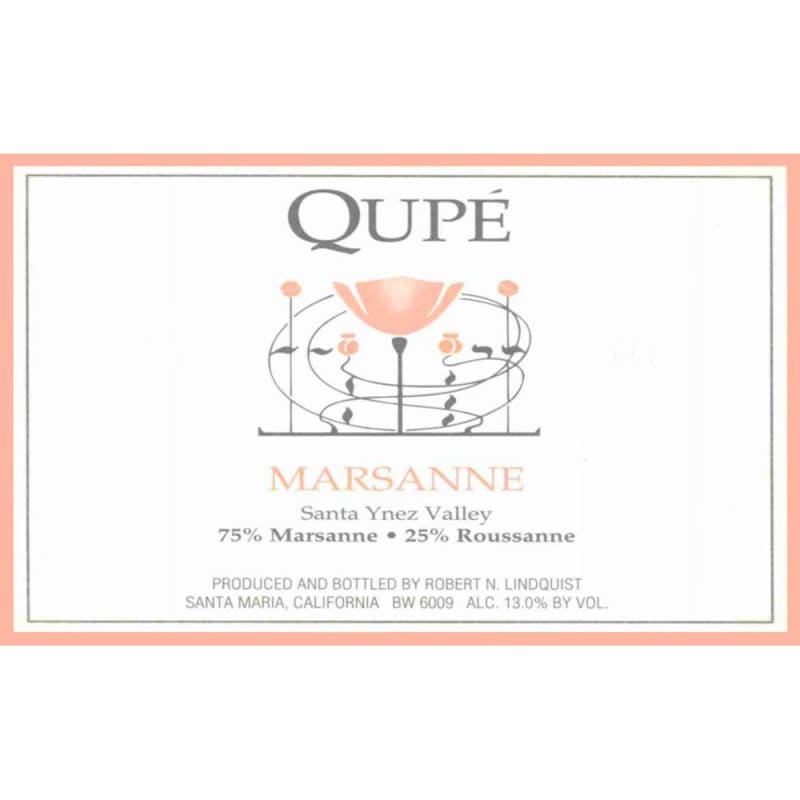
We've been making Marsanne since 1987 and have pretty much stayed with the same style… picked at the low end of ripeness while it still has plenty of acidity and refreshingly low alcohol. Marsanne in this style, and this 2007 is a great example, exhibits what I call "wet stone" minerality along with hints of almonds, honey, citrus and flowers.
Professional Ratings
-
Wine & Spirits
A fine expression of West Coast marsanne, this has rich lime and agave flavors edged by dry sage and coastal brush aromas. With air, the wine takes on a waxy, stone fruit quality. Try it with dayboat scallops served with fresh favas and bacon.


One of the star whites of the Rhône Valley and ubiquitous throughout southern France, historically vignerons have favored Marsanne for its hardy and productive vines. It can make a fruity and delicious single varietal wine as well as a serious, full-bodied version with amazing aging potential. The best examples of Marsanne come from the northern Rhone appellations where it is also blended with Roussanne. Sommelier Secret—Some of the oldest Marsanne vines in the entire world exist not in France but in Australia, in the Victoria region. Settlers planted it in the mid to late 1800s, calling it “white Hermitage.”

Responsible for the vast majority of American wine production, if California were a country, it would be the world’s fourth largest wine-producing nation. The state’s diverse terrain and microclimates allow for an incredible range of red wine styles, and unlike tradition-bound Europe, experimentation is more than welcome here. California wineries range from tiny, family-owned boutiques to massive corporations, and price and production are equally varied. Plenty of inexpensive bulk wine is made in the Central Valley area, while Napa Valley is responsible for some of the world’s most prestigious and expensive “cult” wines.
Each American Viticultural Area (AVA) and sub-AVA of has its own distinct personality, allowing California to produce red wine of every fashion: from bone dry to unctuously sweet, still to sparkling, light and fresh to rich and full-bodied. In the Napa Valley, Cabernet Sauvignon, Merlot, Chardonnay and Sauvignon Blanc dominate vineyard acreage. Sonoma County is best known for Chardonnay, Pinot Noir, Cabernet Sauvignon, Rosé and Zinfandel. The Central Coast has carved out a niche with Rhône Blends based on Grenache and Syrah, while Mendocino has found success with cool climate varieties such as Pinot noir, Riesling and Gewürztraminer. With all the diversity that California wine has to offer, any wine lover will find something to get excited about here.