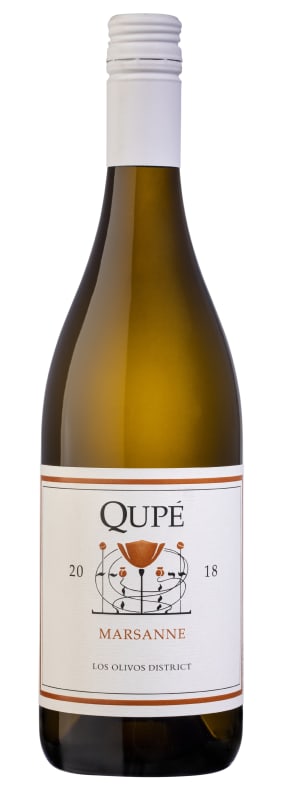


Winemaker Notes
A classically Californian take on the northern Rhône — the cool nights and mornings ensuring the wine maintains its freshness, while the warm days bring power and weight to the wine. On the nose, there are instinctively attractive aromas of citrus, kumquat zest, peach pit, and freshly cut fennel, followed on the palate by lively acidity and a viscous mouthfeel. This is a wine that can be enjoyed for its youthful exuberance, or cellared for five years to allow complex nutty aromas to develop.
Professional Ratings
-
Wine Enthusiast
Rounded aromas of honeydew and kiwi meet with sharper pomelo and pineapple tones on the nose of this bottling. The palate’s yellow fruits and lemon peels are warmed up with a brush of honey
-
Wilfred Wong of Wine.com
COMMENTARY: The 2018 Qupé Marsanne is an excellent white wine designed for the dinner table. TASTING NOTES: This wine exhibits dried herbs, citrus rind, and chalk in it is aromas and flavors. Pair it with longneck clam sashimi. (Tasted: June 28, 2020, San Francisco, CA)


One of the star whites of the Rhône Valley and ubiquitous throughout southern France, historically vignerons have favored Marsanne for its hardy and productive vines. It can make a fruity and delicious single varietal wine as well as a serious, full-bodied version with amazing aging potential. The best examples of Marsanne come from the northern Rhone appellations where it is also blended with Roussanne. Sommelier Secret—Some of the oldest Marsanne vines in the entire world exist not in France but in Australia, in the Victoria region. Settlers planted it in the mid to late 1800s, calling it “white Hermitage.”

Today it is an integral part of the greater Santa Barbara County wine region, but at one time the village, Los Olivos, was a stop on the Wells Fargo stagecoach line.