
Winemaker Notes
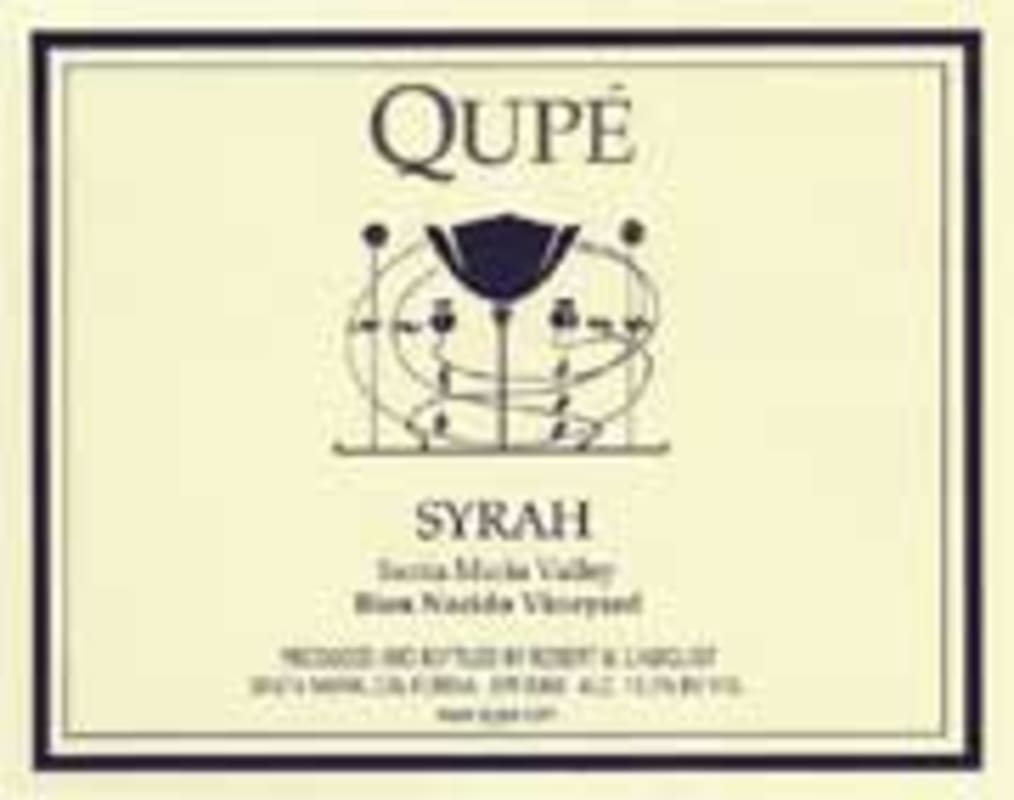
As always, this wine was fermented in small, open-top fermentors with twice a day manual punch downs. The "X" block had 30% whole clusters with stems included; the "Block Eleven" was completely destemmed. The stems on the older vines lignify better; their inclusion adds another dimension of spice and a bit more structure and tannin. It was aged in French oak barrels, of which 25% were new (mostly François Frères, with some Remond and Taransaud) for 15 months. It was lightly fined with egg whites and bottled without filtration. 2400 cases were produced including magnums and half bottles.
2001 was a perfect vintage with a long, cool growing season, no rain, and wonderful weather in September and October. Grapes for this wine were harvested between October 21st and November 8th. The aroma shows dried raspberry, blueberry, cinnamon and white pepper. The wine is full in the mouth with noticeable but silky tannins and great refreshing acidity. It will age for at least 15-20 years.


Marked by an unmistakable deep purple hue and savory aromatics, Syrah makes an intense, powerful and often age-worthy red. Native to the Northern Rhône, Syrah achieves its maximum potential in the steep village of Hermitage and plays an important component in the Red Rhône Blends of the south, adding color and structure to Grenache and Mourvèdre. Syrah is the most widely planted grape of Australia and is important in California and Washington. Sommelier Secret—Such a synergy these three create together, the Grenache, Syrah, Mourvedre trio often takes on the shorthand term, “GSM.”
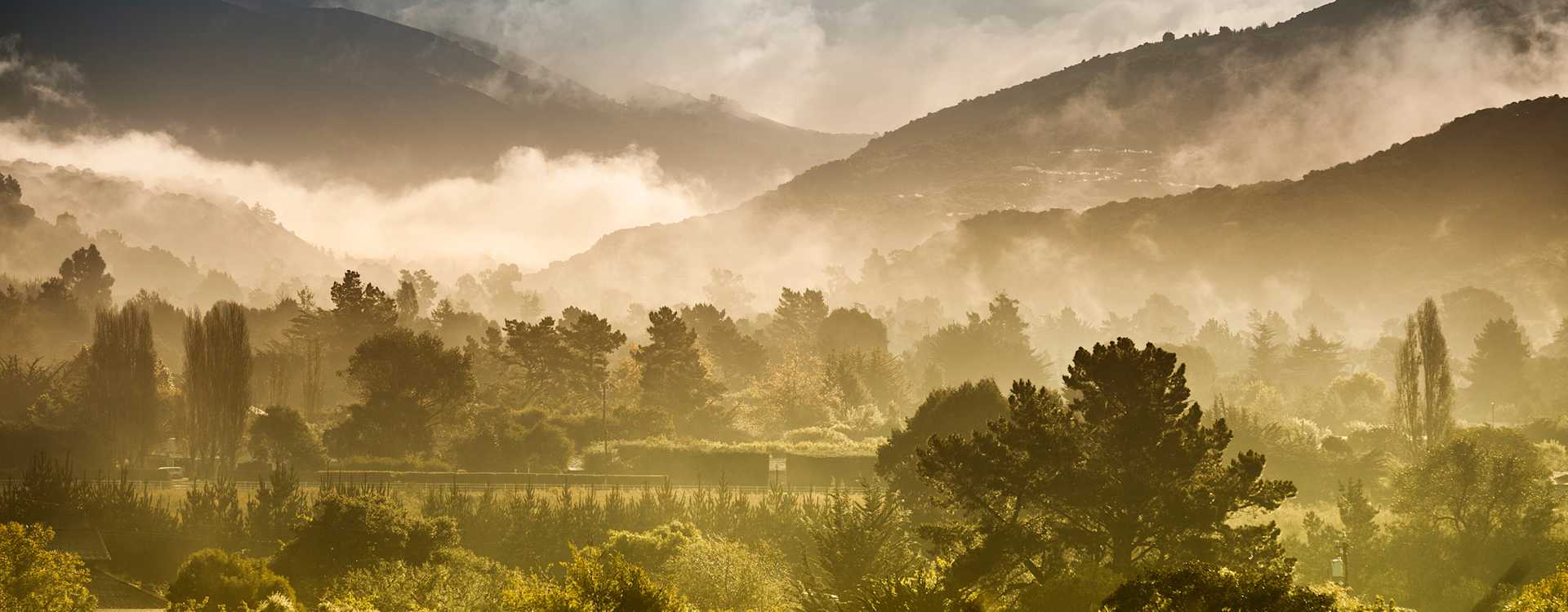
The largest and perhaps most varied of California’s wine-growing regions, the Central Coast produces a good majority of the state's wine. This vast California wine district stretches from San Francisco all the way to Santa Barbara along the coast, and reaches inland nearly all the way to the Central Valley.
Encompassing an extremely diverse array of climates, soil types and wine styles, it contains many smaller sub-AVAs, including San Francisco Bay, Monterey, the Santa Cruz Mountains, Paso Robles, Edna Valley, Santa Ynez Valley and Santa Maria Valley.
While the Central Coast California wine region could probably support almost any major grape varietiy, it is famous for a few Central Coast reds and whites. Pinot Noir, Chardonnay, Cabernet Sauvignon and Zinfandel are among the major ones. The Central Coast is home to many of the state's small, artisanal wineries crafting unique, high-quality wines, as well as larger producers also making exceptional wines.