

Winemaker Notes
We hand-selected Grenache clusters from the western side of our older vines and added a little spice with the addition of 10% Mourvedre. The fruit was destemmed and immediately pressed into a stainless steel tank where the native yeast did their little dance and transformed the juice into wine.
The result is a floral and fruit infused wine that is a pure joy to drink. Fully dry, but with a gentile nature that makes you want to invite it out on a summer picnic, you would be hard pressed to find a more gracious way to welcome a guest into your home than a cool glass of this charming rose upon their arrival.
Professional Ratings
-
Wine Spectator
Sleek, crisp and vibrant, with strawberry blossom and spice aromas and crisp, layered flavors of watermelon and spicy vanilla. Drink now.


Whether it’s playful and fun or savory and serious, most rosé today is not your grandmother’s White Zinfandel, though that category remains strong. Pink wine has recently become quite trendy, and this time around it’s commonly quite dry. Since the pigment in red wines comes from keeping fermenting juice in contact with the grape skins for an extended period, it follows that a pink wine can be made using just a brief period of skin contact—usually just a couple of days. The resulting color depends on grape variety and winemaking style, ranging from pale salmon to deep magenta.
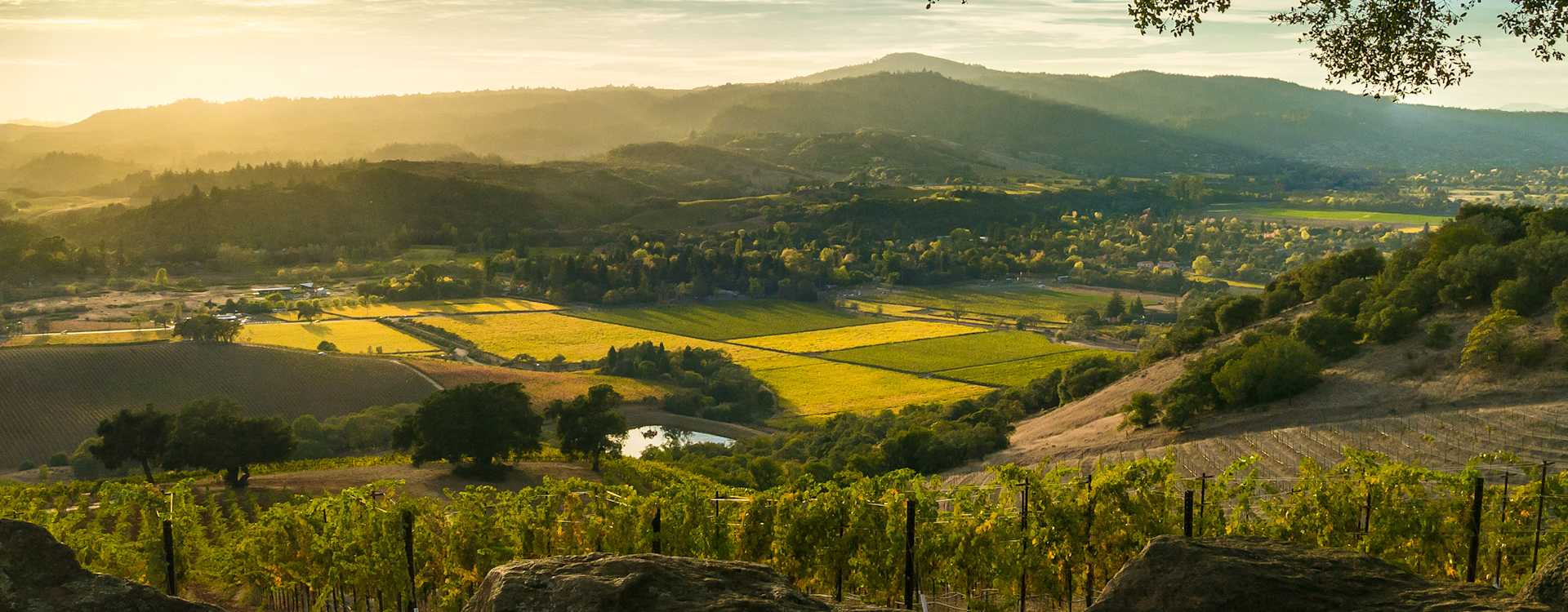
Home to a diverse array of smaller AVAs with varied microclimates and soil types, Sonoma County has something for every wine lover. Physically twice as large as Napa Valley, the region only produces about half the amount of wine but boasts both tremendous quality and variety. With its laid-back atmosphere and down-to-earth attitude, the wineries of Sonoma are appreciated by wine tourists for their friendliness and approachability. The entire county intends to become a 100% sustainable winegrowing region by 2019.
Sonoma County wines are produced with carefully selected grape varieties to reflect the best attributes of their sites—Dry Creek Valley’s consistent sunshine is ideal for Zinfandel, while the warm Alexander Valley is responsible for rich, voluptuous red wines like Cabernet Sauvignon. Chardonnay and Pinot Noir are important throughout the county, most notably in the cooler AVAs of Russian River, Sonoma Coast and Carneros. Sauvignon Blanc, Merlot and Syrah have also found a firm footing here.