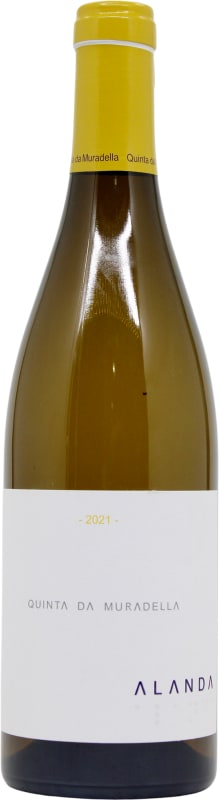


Winemaker Notes
Alanda is the "village" wine that is intended to reflect the best soils and expositions and higher elevations. This wine is a selection of Dona Blanca, Treixadura and Verdello.
Professional Ratings
-
Robert Parker's Wine Advocate
The 2021 Alanda Blanco is a village wine from Monterrei, a blend of Dona Blanca, Treixadura and Verdello that reflects the diversity of soils, altitudes and expositions. The varieties fermented together, being added to the vat progressively, and 1,500-liters matured in a used French oak foudre for 15 months and the rest was kept in stainless steel. It's pale, young and austere, more about soil and rocks than fruit, with notions of wet granite and dry flowers. It has contained ripeness, 13% alcohol, very good acidity, freshness and balance, with a sense of purity and transparency that is common to all whites here. It has depth, energy and light and extra vibrancy this year. It could very well be the finest white Alanda to date.
-
James Suckling
This is floral with subtle white fruit. The palate is balanced and harmonious, with a subtle texture and freshness. The wine spent a year and a half in tanks and then another year in bottle. A blend of a third each of dona branca, verdello antiguo and treixadura, all co-fermented.


With hundreds of white grape varieties to choose from, winemakers have the freedom to create a virtually endless assortment of blended white wines. In many European regions, strict laws are in place determining the set of varieties that may be used in white wine blends, but in the New World, experimentation is permitted and encouraged. Blending can be utilized to enhance balance or create complexity, lending different layers of flavors and aromas. For example, a variety that creates a soft and full-bodied white wine blend, like Chardonnay, would do well combined with one that is more fragrant and naturally high in acidity. Sometimes small amounts of a particular variety are added to boost color or aromatics. Blending can take place before or after fermentation, with the latter, more popular option giving more control to the winemaker over the final qualities of the wine.

The Monterrei wine region in the northwestern region of Galicia on the border of Portugal takes its name from 'Monterrey', which means “the king's mountain” in Castilian; Monterrei is the Galician spelling. The hilltop fortress of the area overlooks the vineyards, which run north to south. Compared to other regions, the area was awarded DO status later, in 1996, although it had won provisional DO status in the 1970s.
There is a slow comeback of native grapes and winemaking styles like those in other parts of Galicia—fresh, fruity white wines and young Mencía-based red wines. While there is new investment coming into the region's small family and cooperative bodegas, much of the wine is still sold in bulk and work with native varieties is still in the early stages, but pioneering bodegas are showing the potential of the vineyards. The DO supports this by awarding the Monterrei Superior label to wines made with 85% of any native variety.
The principal white wine varieties are Doña Blanca, Godello and Treixadura while the red wines are made primarily from Mencía and Bastardo (Trousseau).