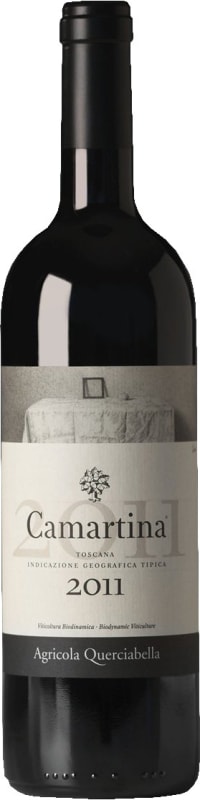


Winemaker Notes
Blend of Cabernet Franc, Syrah and Merlot.
Professional Ratings
-
Wine Spectator
Enticing aromas and flavors of cherry, leather, licorice and mineral are the hallmarks of this polished, intense red. Beautifully balanced, but requires a little more time for the dense tannins to soften. Shows terrific length and a complex aftertaste. Cabernet Franc, Syrah and Merlot.
-
James Suckling
A red that shows dried berries and hints of cedar on the nose and palate. Full body, firm tannins and a fresh finish. Made from biodynamically grown grapes. Drink or hold.
-
Wine & Spirits
Turpino bridges Tuscany’s inland and coastal regions, combining fruit from Querciabella’s Maremma vineyards with an equal portion from the hillside slopes of Greve in Chianti Classico. Cabernet sauvignon, fifty percent of the blend, contributes notes of tobacco and mint, while plush black-fruit flavors and hints of bacon fat signal the presence of merlot and syrah. Dense and savory yet succulent, it’s a match for prime rib.



Founded in 1974, Querciabella enjoys the acclaim of the world’s most discriminating critics and consumers for wines such as Camartina, Batàr, Palafreno and Querciabella Chianti Classico. In its uncompromising pursuit of quality, sustainability and authenticity, Querciabella has continually honed its approach to biodynamic viticulture for over a decade. With vineyards located throughout Tuscany’s Chianti Classico and Maremma areas, Querciabella exemplifies the mindful preservation of tradition through forward-thinking, albeit completely natural, winemaking.
With 183 acres of prime Chianti Classico vineyards – located in the municipalities of Greve, Panzano, Radda and Gaiole – in addition to 79 acres in Maremma on Tuscany’s unspoiled Etruscan coast, Querciabella’s holdings represent the largest extensions of biodynamically farmed (certified organic) vineyards in Italy, contributing extraordinary biodiversity to local and surrounding ecosystems and serving as a sanctuary for thriving numbers of honeybee colonies.

Legendary in Italy for its Renaissance art and striking landscape, Tuscany is also home to many of the country’s best red wines. Sangiovese reigns supreme here, as either the single varietal, or a dominant player, in almost all of Tuscany’s best.
A remarkable Chianti, named for its region of origin, will have a bright acidity, supple tannins and plenty of cherry fruit character. From the hills and valleys surrounding the medieval village of Montalcino, come the distinguished and age-worthy wines based on Brunello (Sangiovese). Earning global acclaim since the 1970s, the Tuscan Blends are composed solely of international grape varieties or a mix of international and Sangiovese. The wine called Vine Nobile di Montepulciano, composed of Prognolo Gentile (Sangiovese) and is recognized both for finesse and power.