

Winemaker Notes
Bright ruby-red core with a slight purple hue. Aromas of rose, violet, redcurrant cherries and juniper berries with a hint of licorice. Juicy on the palate, confirming the red berry fruits on the nose. Fine tannins that integrate perfectly with nice acidity. Persistent finish with a pleasant, savory note.Enjoyable now with classic Tuscan dishes as well as fish and sashimi.
Professional Ratings
-
Jeb Dunnuck
The 2020 Chianti Classico is impressive and pure, with ripe black cherry, a hint of blue fruit, violets, and sweet herbs. It is medium to full-bodied, with supple fruit throughout, fine grained tannins, and a polished feel. It displays fresh acidity without any harsh edges, but it is mouthwatering and compels returning for more. This beautiful wine from Querciabella is drinking well now, and I imagine will continue to improve over the coming decade or more.
-
Wine Spectator
Pure fruit on the nose, with rose hips, cherries, blueberries, lemon leaves and dried flowers. Medium-bodied with tangy acidity and firm tannins. Vibrant and elegant, with such purity of fruit. From organically grown grapes. Vegan. Drink or hold.
-
Decanter
With an annual production of approximately 150,000 bottles, this is Querciabella’s calling card – and an impressive one at that. It also gives an incisive panoramic shot of the Chianti Classico region as it's a blend of estate vineyards in three different subzones. Bright and fresh, the 2020 annata emerges energetically out of the glass with exuberant and pure red cherry and currants. It gains intrigue with stylish touches of mocha, tarragon and truffles. It's full and vigorous yet light on its feet thanks to radiant acidity, while well-formed tannins lend just the right amount of chew. As suave as it is characterful.



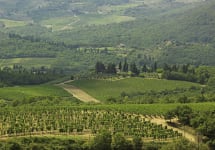
Founded in 1974, Querciabella enjoys the acclaim of the world’s most discriminating critics and consumers for wines such as Camartina, Batàr, Palafreno and Querciabella Chianti Classico. In its uncompromising pursuit of quality, sustainability and authenticity, Querciabella has continually honed its approach to biodynamic viticulture for over a decade. With vineyards located throughout Tuscany’s Chianti Classico and Maremma areas, Querciabella exemplifies the mindful preservation of tradition through forward-thinking, albeit completely natural, winemaking.
With 183 acres of prime Chianti Classico vineyards – located in the municipalities of Greve, Panzano, Radda and Gaiole – in addition to 79 acres in Maremma on Tuscany’s unspoiled Etruscan coast, Querciabella’s holdings represent the largest extensions of biodynamically farmed (certified organic) vineyards in Italy, contributing extraordinary biodiversity to local and surrounding ecosystems and serving as a sanctuary for thriving numbers of honeybee colonies.

Among Italy's elite red grape varieties, Sangiovese has the perfect intersection of bright red fruit and savory earthiness and is responsible for the best red wines of Tuscany. While it is best known as the chief component of Chianti, it is also the main grape in Vino Nobile di Montepulciano and reaches the height of its power and intensity in the complex, long-lived Brunello di Montalcino. Somm Secret—Sangiovese doubles under the alias, Nielluccio, on the French island of Corsica where it produces distinctly floral and refreshing reds and rosés.

One of the first wine regions anywhere to be officially recognized and delimited, Chianti Classico is today what was originally defined simply as Chianti. Already identified by the early 18th century as a superior zone, the official name of Chianti was proclaimed upon the area surrounding the townships of Castellina, Radda and Gaiole, just north of Siena, by Cosimo III, Grand Duke of Tuscany in an official decree in 1716.
However, by the 1930s the Italian government had appended this historic zone with additonal land in order to capitalize on the Chianti name. It wasn’t until 1996 that Chianti Classico became autonomous once again when the government granted a separate DOCG (Denominazione di Origine Controllata e Garantita) to its borders. Ever since, Chianti Classico considers itself no longer a subzone of Chianti.
Many Classicos are today made of 100% Sangiovese but can include up to 20% of other approved varieties grown within the Classico borders. The best Classicos will have a bright acidity, supple tannins and be full-bodied with plenty of ripe fruit (plums, black cherry, blackberry). Also common among the best Classicos are expressive notes of cedar, dried herbs, fennel, balsamic or tobacco.