


Winemaker Notes
Batàr shines in the glass, with its bright yellow core and golden hues. The bouquet is broad and fragrant, with acacia flowers, chamomile, peach, yellow plum and melon interlaced with buttery aromas, sweet spices, saffron, and cedar wood. A flinty, mineral quality adds precision to the intricate frame. On the palate, the wine is voluptuous yet elegant, showing great finesse and intense aromatic persistence. The mouthfeel is balanced and lifted.
Professional Ratings
-
Decanter
The 2020 vintage is more herbal than usual, with sage, thyme and a citrussy character, then its typical peach kernel core. The attack is full, silky, concentrated and textured, yet vibrant on the finish.One of the most sought after white wines of Italy, with proven ability to age, Batàr originates from vineyards in Ruffoli, in Greve in Chianti, some of which reach 600m. The Chardonnay and Pinot Bianco grapes are fermented and aged for nine months in French oak. It's a very classic white SuperTuscan (first vintage was 1988) with a stylish Corton-Charlemagne attitude.
-
James Suckling
Intense nose of cedar, smoked almond, mango puree, papaya and lemon pie. Full-bodied, dense and creamy with delicious praline and pie-crust character, balanced by just the right amount of lemony acidity.
-
Robert Parker's Wine Advocate
I have not tasted this wine in a while, and it's a delight to come back to it now. Compared to older vintages, I find this blend of equal parts Pinot Bianco and Chardonnay to be quite improved. The organic 2020 Batàr (with 20,000 bottles made) offers fresh, citrusy tones with lemon curd and candied peach. This barrique-aged white also offers mid-weight density and plenty of orchard fruit, saffron and light spice. It concludes with fresh acidity.
-
Wine & Spirits
This barrel-aged blend is equal parts chardonnay and pinot bianco. It’s bold and heady with flavors of poached pear, buttered pineapple and vanilla bean couched in a rich, saline-inflected texture. Cool mineral tones emerge after an hour in the glass, along with scents of orange blossom and chamomile that lift the finish.
-
Wine Spectator
A fresh, light-bodied white, offering peach, apple, butterscotch and baking spice flavors. Vibrant and well-defined, verging on creamy in texture, with a lingering citrus finish. Chardonnay and Pinot Blanc.



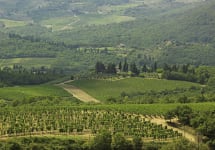
Founded in 1974, Querciabella enjoys the acclaim of the world’s most discriminating critics and consumers for wines such as Camartina, Batàr, Palafreno and Querciabella Chianti Classico. In its uncompromising pursuit of quality, sustainability and authenticity, Querciabella has continually honed its approach to biodynamic viticulture for over a decade. With vineyards located throughout Tuscany’s Chianti Classico and Maremma areas, Querciabella exemplifies the mindful preservation of tradition through forward-thinking, albeit completely natural, winemaking.
With 183 acres of prime Chianti Classico vineyards – located in the municipalities of Greve, Panzano, Radda and Gaiole – in addition to 79 acres in Maremma on Tuscany’s unspoiled Etruscan coast, Querciabella’s holdings represent the largest extensions of biodynamically farmed (certified organic) vineyards in Italy, contributing extraordinary biodiversity to local and surrounding ecosystems and serving as a sanctuary for thriving numbers of honeybee colonies.
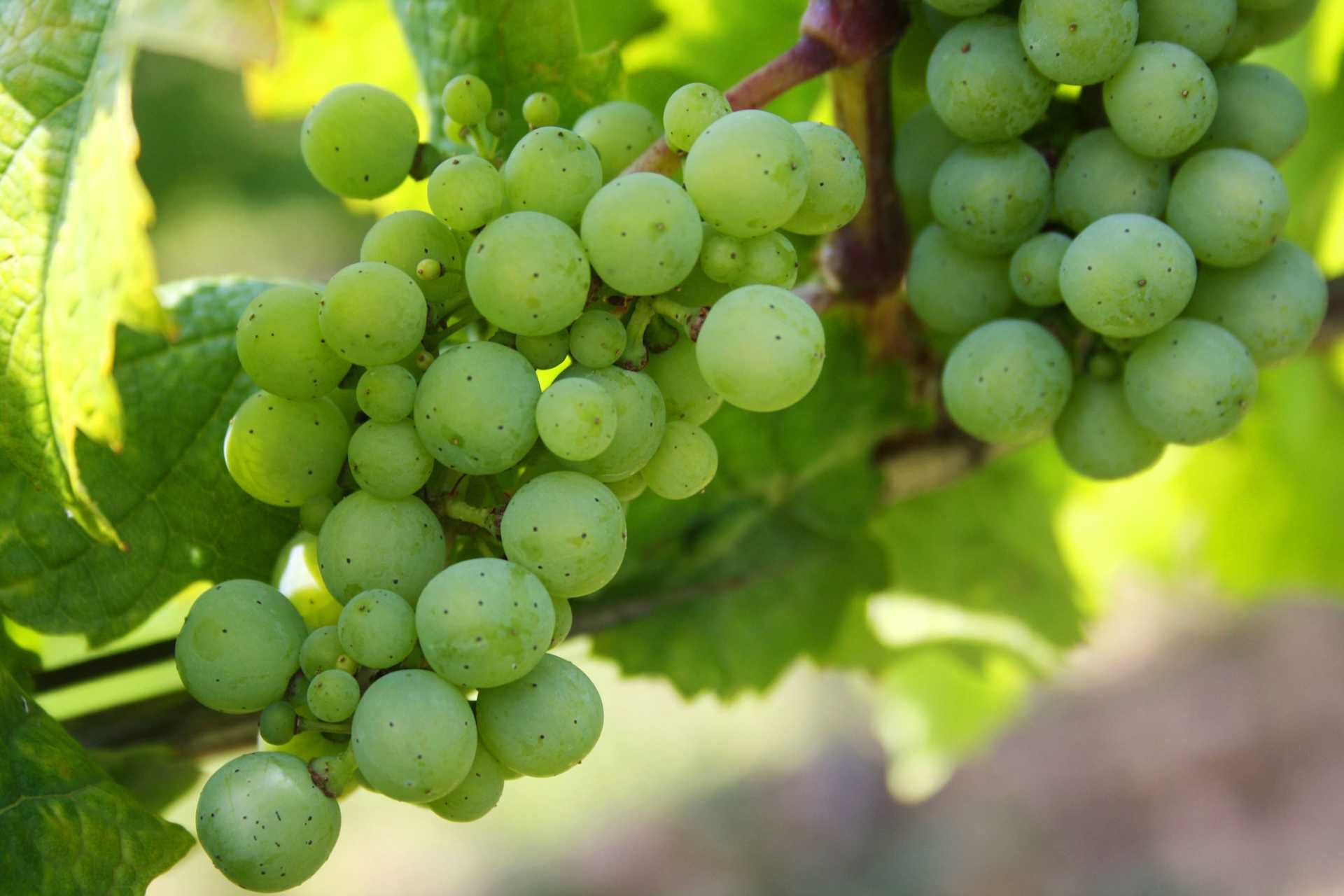
With hundreds of white grape varieties to choose from, winemakers have the freedom to create a virtually endless assortment of blended white wines. In many European regions, strict laws are in place determining the set of varieties that may be used in white wine blends, but in the New World, experimentation is permitted and encouraged. Blending can be utilized to enhance balance or create complexity, lending different layers of flavors and aromas. For example, a variety that creates a soft and full-bodied white wine blend, like Chardonnay, would do well combined with one that is more fragrant and naturally high in acidity. Sometimes small amounts of a particular variety are added to boost color or aromatics. Blending can take place before or after fermentation, with the latter, more popular option giving more control to the winemaker over the final qualities of the wine.

One of the most iconic Italian regions for wine, scenery and history, Tuscany is the world’s most important outpost for the Sangiovese grape. Tuscan wine ranges in style from fruity and simple to complex and age-worthy, Sangiovese makes up a significant percentage of plantings here, with the white Trebbiano Toscano coming in second.
Within Tuscany, many esteemed wines have their own respective sub-zones, including Chianti, Brunello di Montalcino and Vino Nobile di Montepulciano. The climate is Mediterranean and the topography consists mostly of picturesque rolling hills, scattered with vineyards.
Sangiovese at its simplest produces straightforward pizza-friendly Tuscan wines with bright and juicy red fruit, but at its best it shows remarkable complexity and ageability. Top-quality Sangiovese-based wines can be expressive of a range of characteristics such as sour cherry, balsamic, dried herbs, leather, fresh earth, dried flowers, anise and tobacco. Brunello, an exceptionally bold Tuscan wine, expresses well the particularities of vintage variations and is thus popular among collectors. Chianti is associated with tangy and food-friendly dry wines at various price points. A more recent phenomenon as of the 1970s is the “Super Tuscan”—a red wine made from international grape varieties like Cabernet Sauvignon, Merlot, Cabernet Franc and Syrah, with or without Sangiovese. These are common in Tuscany’s coastal regions like Bolgheri, Val di Cornia, Carmignano and the island of Elba.