

Winemaker Notes
Professional Ratings
-
Robert Parker's Wine Advocate
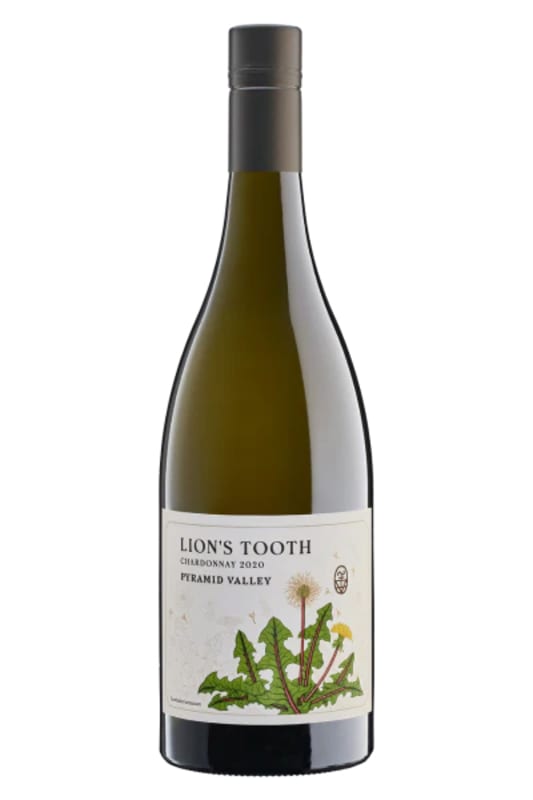
The 2020 Lion's Tooth Chardonnay is a totally different proposition to the Field of Fire Chardonnay from the same vintage. The wine is retained and placid on the nose ... the latent power of the thing is evident from the very first sniff. It is saturated with the curry leaf/cheesecloth/brine/preserved citrus notes that I associate with this producer, but the long throw of distance that the aromatics propose hint at great things. In the mouth, the wine speaks of crushed/salted/roasted nuts, red apple skins, peach fuzz and a hint of the little calcium deposits/flecks that one can find in Comté/Pradera cheese. That's why I eat those cheeses, and that's what I see here. What an exciting wine. Pure in its fruit profile, powerful in its acid/phenolic interplay, and so long through the finish. Yes! This is why we drink Chardonnay.
-
James Suckling
A lovely nose of flint, lemon rind, sliced pears and rosemary stem. Medium- to full-bodied with bright, citrus acidity that drives and pushes the palate through a long, lingering finish. Apple character on the palate. Very good concentration and intensity. Fresh with some brioche notes, too. Supple texture. Drink or hold.


One of the most popular and versatile white wine grapes, Chardonnay offers a wide range of flavors and styles depending on where it is grown and how it is made. While it tends to flourish in most environments, Chardonnay from its Burgundian homeland produces some of the most remarkable and longest lived examples. California produces both oaky, buttery styles and leaner, European-inspired wines. Somm Secret—The Burgundian subregion of Chablis, while typically using older oak barrels, produces a bright style similar to the unoaked style. Anyone who doesn't like oaky Chardonnay would likely enjoy Chablis.

A relatively young but extremely promising wine producing country, New Zealand is widely recognized for its distinctive white wines made from the aromatic, Sauvignon blanc.
The world’s most southerly vineyards are found here, with significant climatic variation both between and within the warmer North Island and the cooler South Island. Overall, the climate is maritime, with plenty of rainfall, as well as abundant sunshine. Producers have almost unilaterally embraced cutting-edge winery technology, resulting in clean, high-quality New Zealand wines at every price point from wallet-friendly to premium.
Sauvignon blanc, known here for its trademark herbaceous character, is at its best in Marlborough but thrives throughout the nation, accounting for an overwhelming majority of the country’s exports. While this is indeed the country’s most planted and successful variety, it is certainly not the only New Zealand grape capable of delighting wine lovers.
Chardonnay is the second-most important white variety and takes on a supple texture with citrus and tropical fruit aromas in Gisborne and Hawke’s Bay, respectively. Pinot noir, second behind Sauvignon blanc in national production numbers, is at its best in Central Otago—the most southerly winegrowing region in the world! These New Zealand wines are known for bright and juicy red fruit. Taking cues from the wines of Alsace, aromatic varieties like Pinot Gris, Riesling and Gewürztraminer shine in Martinborough, while red wine Bordeaux varieties like Cabernet Sauvignon and Merlot have found success in Hawke’s Bay. Throughout New Zealand but especially in Marlborough, Pinot noir and Chardonnay are used to produce traditional method sparkling NZ wines.