

Winemaker Notes
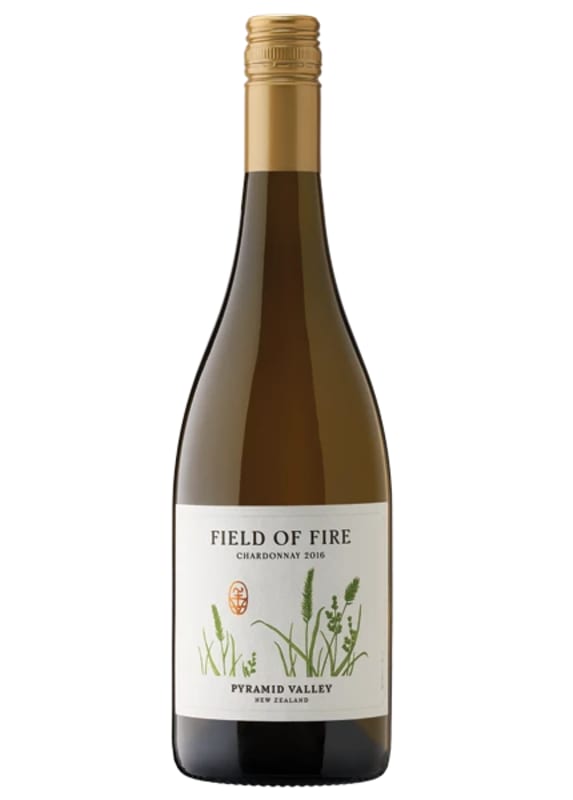
The 2016 Pyramid Valley Field of Fire Chardonnay is a brilliant, pale straw-yellow. Complex aromatics: boxwood and petrichor minerality open without hesitation to ripe white peach, bright pink grapefruit, lime pith, and subtle hints of dried herbs and toasted brioche. A supple and generous roundness which dances across palate. This 2016 Field of Fire is a standout example of power and intensity complimented by incredible poise and a lively, playful length.
Professional Ratings
-
James Suckling
This is the more complex of the two 2016 chardonnays from Pyramid Valley. There’s a gently flinty, biscuity edge to the yellow-peach aromas. The palate is layered and concentrated with pristine yellow-peach flavors, interlaced with fine, stony mineral notes. Brilliant chardonnay.
-
Robert Parker's Wine Advocate
Notes of honey, toasted grain and pink grapefruit emerge on the nose of the 2016 Field Of Fire Chardonnay. It's medium to full-bodied and plump in the mouth but with vibrant citrus notes (lime, grapefruit) that grow in intensity on the lingering finish.


One of the most popular and versatile white wine grapes, Chardonnay offers a wide range of flavors and styles depending on where it is grown and how it is made. While it tends to flourish in most environments, Chardonnay from its Burgundian homeland produces some of the most remarkable and longest lived examples. California produces both oaky, buttery styles and leaner, European-inspired wines. Somm Secret—The Burgundian subregion of Chablis, while typically using older oak barrels, produces a bright style similar to the unoaked style. Anyone who doesn't like oaky Chardonnay would likely enjoy Chablis.

On the central eastern coast of the South Island, Canterbury includes a collection of small and varied subregions. The region is cool and dry with low rainfall and light, infertile soils. Sauvignon Blanc and Pinot Noir are well-suited here, with Pinot Gris coming in third place.