


Winemaker Notes
Inspired by the classic Bandol rosés of southern France, the 2022 Blushing Bear is a beautiful salmon pink color, offering fragrant aromas of honeysuckle, wild strawberries, and grapefruit. Refreshing and flavorful with a soft, lush entry and bright notes of Bartlett pear, guava, and crisp apple. Mouthwatering acidity and a lively finish make this the perfect wine to enjoy at twilight on a warm summer evening.
Sourced exclusively from Walla Walla Valley vineyards, hand-picked grapes were gently whole-cluster pressed to capture perfumed aromatics and delicate flavors. Afterwards, the juice was fermented and aged in stainless steel for five months to deliver a clean, fresh style.
Blend: 73% Grenache, 27% Mourvèdre
Professional Ratings
-
Wine Enthusiast
This stainless-steel fermented and aged rosé is the perfect accompaniment to a Saint-Tropez tan. Lemon, wild-strawberry and rosemary aromas are fresh and inviting. Tangy tangerine and sweet Fuji apple flavors nimbly pirouette on a crisp texture driven by brisk acidity. This bear is just right.
-
Robert Parker's Wine Advocate
The 2022 Blushing Bear Rosé, a blend of 73% Mourvèdre and 27% Grenache, opens to white and yellow flowers, citrus blossom and wild cherries, with hints of yellow apple and citrus aromas on the nose. Medium-bodied, the palate is fresh, succulent and food-friendly, culminating with a crisp, mineral-laced finish.r

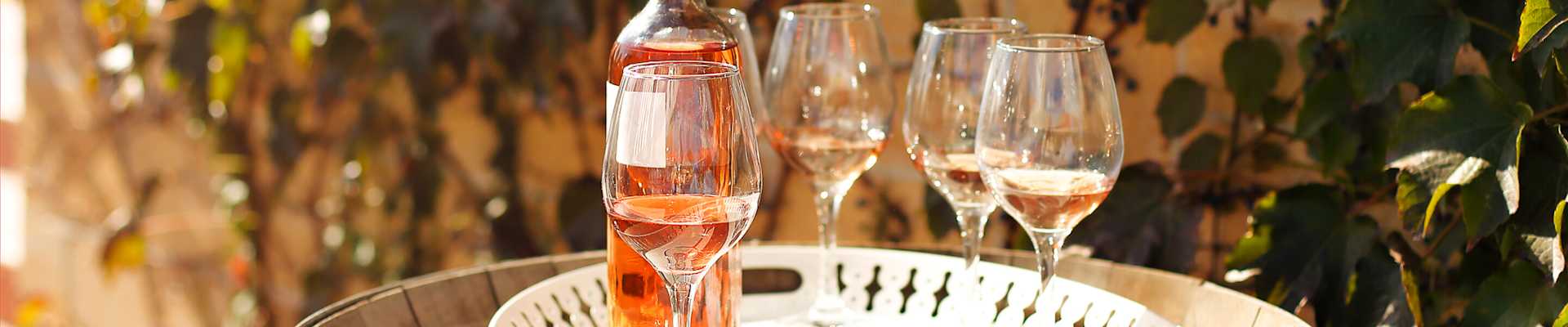
Whether it’s playful and fun or savory and serious, most rosé today is not your grandmother’s White Zinfandel, though that category remains strong. Pink wine has recently become quite trendy, and this time around it’s commonly quite dry. Since the pigment in red wines comes from keeping fermenting juice in contact with the grape skins for an extended period, it follows that a pink wine can be made using just a brief period of skin contact—usually just a couple of days. The resulting color depends on grape variety and winemaking style, ranging from pale salmon to deep magenta.

A large and geographically diverse AVA capable of producing a wide variety of wine styles, the Columbia Valley AVA is home to 99% of Washington state’s total vineyard area. A small section of the AVA even extends into northern Oregon!
Because of its size, it is necessarily divided into several distinctive sub-AVAs, including Walla Walla Valley and Yakima Valley—which are both further split into smaller, noteworthy appellations. A region this size will of course have varied microclimates, but on the whole it experiences extreme winters and long, hot, dry summers. Frost is a common risk during winter and spring. The towering Cascade mountain range creates a rain shadow, keeping the valley relatively rain-free throughout the entire year, necessitating irrigation from the Columbia River. The lack of humidity combined with sandy soils allows for vines to be grown on their own rootstock, as phylloxera is not a serious concern.
Red wines make up the majority of production in the Columbia Valley. Cabernet Sauvignon is the dominant variety here, where it produces wines with a pleasant balance of dark fruit and herbs. Wines made from Merlot are typically supple, with sweet red fruit and sometimes a hint of chocolate or mint. Syrah tends to be savory and Old-World-leaning, with a wide range of possible fruit flavors and plenty of spice. The most planted white varieties are Chardonnay and Riesling. These range in style from citrus and green apple dominant in cooler sites, to riper, fleshier wines with stone fruit flavors coming from the warmer vineyards.