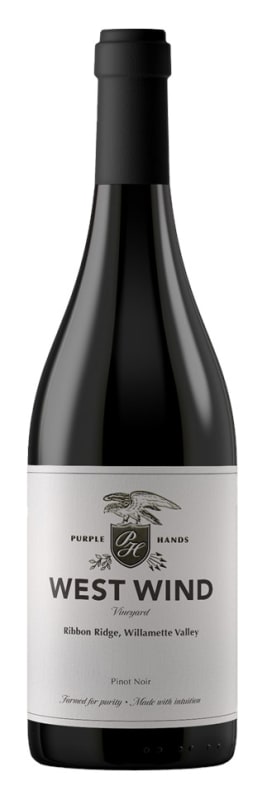


Winemaker Notes
Professional Ratings
-
Jeb Dunnuck
The 2023 Pinot Noir West Wind Vineyard comes from an oceanic site planted in 2017 and has a bit of wildness in its aromatics, leading with notes of sour black cherries, leather, saline, crushed stones, and piney, rosemary-like herbs. The palate is firmly structured and mouthwatering upfront, with medium to full-bodied richness, grippy tannins, salty, mouthwatering lift, and balanced acidity. It lasts long on the palate and has a good deal of tension. It should improve over the next 6-8 years and drink its best over the coming 10-15 years.
-
Wine Spectator
Polished yet keenly structured, with expressive flavors of raspberry and guava laced with orange peel, dusky spice and rose petal details as this builds tension and richness on the finish. Drink now through 2034.
-
Wine Enthusiast
Blackberries and violets kick off a parade of aromas that include wet gravel and t-bones grilling over charcoal briquettes. Grippy tannins and gentle acidity provide the backdrop for tangy pomegranate seed, coriander and pine needle tea flavors. The wine has an oak quality that mixes cedar and a bit of caramel.
-
James Suckling
This shows violets, wild berries, sour cherries, sandalwood and peaches on the nose, followed by a cool, juicy and mouthwatering palate. Medium-bodied with fine yet firm tannins. Drink or hold.
-
Robert Parker's Wine Advocate
The 2023 Pinot Noir West Wind Vineyard takes time to segue from flint and iron to nuances of wild berry fruit and violet on the nose. The medium-bodied palate offers crunchy, earth-laced flavors and gently rustic, chalky tannins. It’s balanced by vibrant acidity and has a long, mineral-laced finish.
-
Vinous
The 2023 Pinot Noir West Wind Vineyard is dark and brooding in the glass, as dusty earth and nuances of ash come together with herbal-laced wild berries. Juicy and fresh in style, it shows pronounced minerality and depth of tart blackberry complicated by a tinge of cedar toward the close. This 2023 finishes long and structured, leaving a hint of licorice and sour citrus through the slightly bitter and chewy finale.


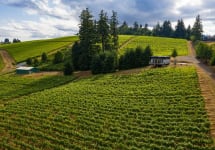
Purple Hands Vineyards celebrates site-specific pinot noir and chardonnay that unearth the Willamette Valley’s long evolutionary history. Using traditional winemaking techniques, they strive to produce wines that convey an honest expression of each of their vineyards—its grapevines and cultivation, soil and stone, sunshine and rain. All of their wines undergo native fermentation and remain unfined and unfiltered at bottling to preserve their natural, wild character. Achieving elegance in this pursuit is the passion and art of their craft.
Over the past 40 years, Cody’s family has created a legacy of quality in the Oregon wine industry. Their winemaking styles and techniques helped Oregon’s Willamette Valley become the premium Pinot noir producing region in the world. At Purple Hands, Cody continues to build on the standard of excellence initiated by the previous generation.

Thin-skinned, finicky and temperamental, Pinot Noir is also one of the most rewarding grapes to grow and remains a labor of love for some of the greatest vignerons in Burgundy. Fairly adaptable but highly reflective of the environment in which it is grown, Pinot Noir prefers a cool climate and requires low yields to achieve high quality. Outside of France, outstanding examples come from in Oregon, California and throughout specific locations in wine-producing world. Somm Secret—André Tchelistcheff, California’s most influential post-Prohibition winemaker decidedly stayed away from the grape, claiming “God made Cabernet. The Devil made Pinot Noir.”

Ribbon Ridge is a regular span of uplifted, marine, sedimentary soils (called Willakenzie), whose highest ridge elevations twist like a ribbon. An early settler from Missouri named Colby Carter noticed this unique topography and gave the region its name in 1865—though it wasn’t declared its own AVA until 140 years later, in 2005. The AVA is enclosed by mountains on all sides between Yamhill-Carlton and the Chehalem Mountains, and is actually part of the larger Chehalem Mountains AVA. Its soils have a finer texture than its neighbors with parent materials composed of sandstone, siltstone, and mudstone. Given its presence of natural aquifers in this five square mile area, most vineyards are actually easily dry farmed!