


Winemaker Notes
The Haakon/Lenai Vineyard Pinot Noir shows elegant notes of pomegranate, cola, spicy tobacco, roasted dark cherry, blackcurrant, rhubarb, allspice, juniper berry and rose petal with fine tannins. Dry Farmed, & Organically farmed. Aged 11 Months in French Oak Barrels, 40% New.
Professional Ratings
-
Jeb Dunnuck
The Haakon/Lenai Vineyard was planted in 1998, from certified organic estate fruit (777, Pommard, Wadenswil, 115, and 114 Dijon clones) on a deep pan of Jory soils. In the glass, the 2023 Pinot Noir Haakon/Lenai offers a bright ruby red hue and has more nervous tension compared to the Latchkey Vineyard, initially revealing focused notes of bright spices before starting to unravel more complex aromas of compact wild berries, dark berries, fresh wild herbs, sage, tarragon, and cardamom. It offers a medium-bodied frame, with coiled tannins, balanced acidity, and its sunny fruit shining through on the finish.
-
Robert Parker's Wine Advocate
The 2023 Pinot Noir Haakon Lenai floods the senses with expressive raspberry, wild cherry, hibiscus, licorice, rose petals and slowly emerging earthy accents. The medium-bodied palate is bursting with perfumed, layered flavors. It’s framed by velvety tannins, and fireworks of fresh acidity drive a long, shimmery finish with latent spicy tones. It should be long lived in the cellar.
-
James Suckling
A powerful and elegant wine with aromas and flavors of fresh black cherries, raspberries, red licorice, black pepper, blood oranges, roses, violets and forest botanicals. The palate is dense but light, with structured layers of acidity, fine tannins and a finish of baking spice and cocoa powder.
-
Wine Enthusiast
An aromatic burst of cherry liqueur is soon joined by notes of loamy soil and spicy ginger. The wine's luxurious texture and silky tannins pair nicely with concentrated blackberry, black tea, and bittersweet dark chocolate flavors. The acidity here is brisk, providing a nice balance with the wine's restrained alcohol, tannins and fruit. This pleasurable wine makes you want to settle into your chair for a relaxing conversation.
-
Wine Spectator
Handsomely structured and silky in texture, with multilayered raspberry and guava flavors that are endowed with orange peel, cardamom and other dusky spices as this gathers length and breadth toward polished tannins.
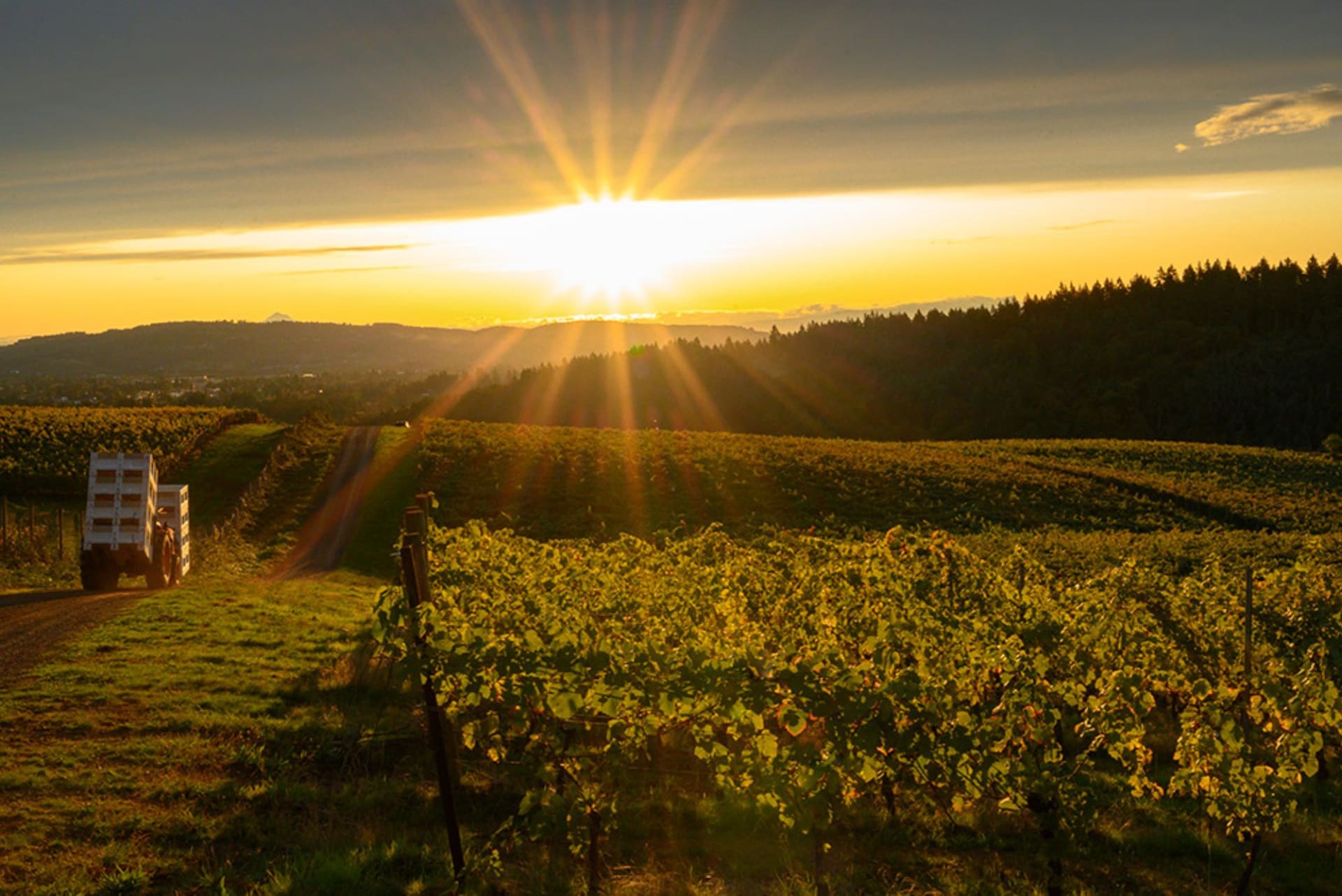


Purple Hands Vineyards celebrates site-specific pinot noir and chardonnay that unearth the Willamette Valley’s long evolutionary history. Using traditional winemaking techniques, they strive to produce wines that convey an honest expression of each of their vineyards—its grapevines and cultivation, soil and stone, sunshine and rain. All of their wines undergo native fermentation and remain unfined and unfiltered at bottling to preserve their natural, wild character. Achieving elegance in this pursuit is the passion and art of their craft.
Over the past 40 years, Cody’s family has created a legacy of quality in the Oregon wine industry. Their winemaking styles and techniques helped Oregon’s Willamette Valley become the premium Pinot noir producing region in the world. At Purple Hands, Cody continues to build on the standard of excellence initiated by the previous generation.

Thin-skinned, finicky and temperamental, Pinot Noir is also one of the most rewarding grapes to grow and remains a labor of love for some of the greatest vignerons in Burgundy. Fairly adaptable but highly reflective of the environment in which it is grown, Pinot Noir prefers a cool climate and requires low yields to achieve high quality. Outside of France, outstanding examples come from in Oregon, California and throughout specific locations in wine-producing world. Somm Secret—André Tchelistcheff, California’s most influential post-Prohibition winemaker decidedly stayed away from the grape, claiming “God made Cabernet. The Devil made Pinot Noir.”

Home of the first Pinot noir vineyard of the Willamette Valley, planted by David Lett of Eyrie Vineyard in 1966, today the Dundee Hills AVA remains the most densely planted AVA in the valley (and state). To its north sits the Chehalem Valley and to its south, runs the Willamette River. Within the region’s 12,500 acres, about 1,700 are planted to vine on predominantly basalt-based, volcanic, Jory soil.