


Winemaker Notes
The 2023 Freedom Hill Vineyard Pinot Noir offers notes of strawberry, cola, lavender, candied coconut, cinnamon, granola, caramel, sweet forest floor, honey, and watermelon.
Professional Ratings
-
Jeb Dunnuck
A blend of Wadenswil and Coury clones, the 2023 Pinot Noir Freedom Hill Vineyard is a bright ruby color and is possibly my favorite wine in the range. It opens to salty notes of crushed stones before taking on darker, cigar box-like aromas of fresh hay, bright red fruit, spice box, redcurrants, and floral lavender perfume. The palate is very pretty and medium-bodied, with structured, fine tannins and a ripe, juicy feel that makes it a deceptively easygoing upfront and starts to build through a long finish.
-
Wine Enthusiast
Freedom Hill is just another word for nothing left to prove. I was sold after one sniff of this savory perfume of blackcap raspberries mixed with notes of earth, spicy vanilla bachelor's button flowers and a meaty wisp of seared steak. Elevated acidity and fine-grained tannins hoist up flavors of black cherry, orange zest and English breakfast tea. Enjoy 2024-2038.
Cellar Selection -
James Suckling
Tea leaves, orange rind, boysenberries and button mushrooms on the nose, followed by a medium-bodied, mineral and gently earthy palate with chalky tannins. Attractive saline and citrus-rind notes to close. Drink or hold.
-
Robert Parker's Wine Advocate
Initial wafts of iron and flint on the nose of the 2023 Pinot Noir Freedom Hill Vineyard give way to pure scents of cranberry, pomegranate, violet and orange peel, and it continues to reveal additional nuances as it spends time in the glass. Full-bodied, it floods the mouth with dark, perfumed fruit. It’s structured by chalky tannins and mouthwatering acidity, and it has a long, sapid finish. It should be long lived in the cellar.
-
Vinous
Crushed ashen stone mingles with savory herbs, a dusting of cocoa and dried black cherries as the 2023 Pinot Noir Freedom Hill Vineyard evolves in the glass. Silken in feel, it glides across the palate with ease, displaying polished wild berry fruit offset by a hint of citrus and sage. The 2023 Pinot Noir shows an exotic character and finishes perfumed and spicy, leaving a nuanced web of fine tannins that frame the experience well.
-
Wine Spectator
Theres a whiff of fresh earth on this brooding red, accented by blueberry, blackberry and dusky spices that build tannins toward the slightly firm finish. Drink now through 2033.
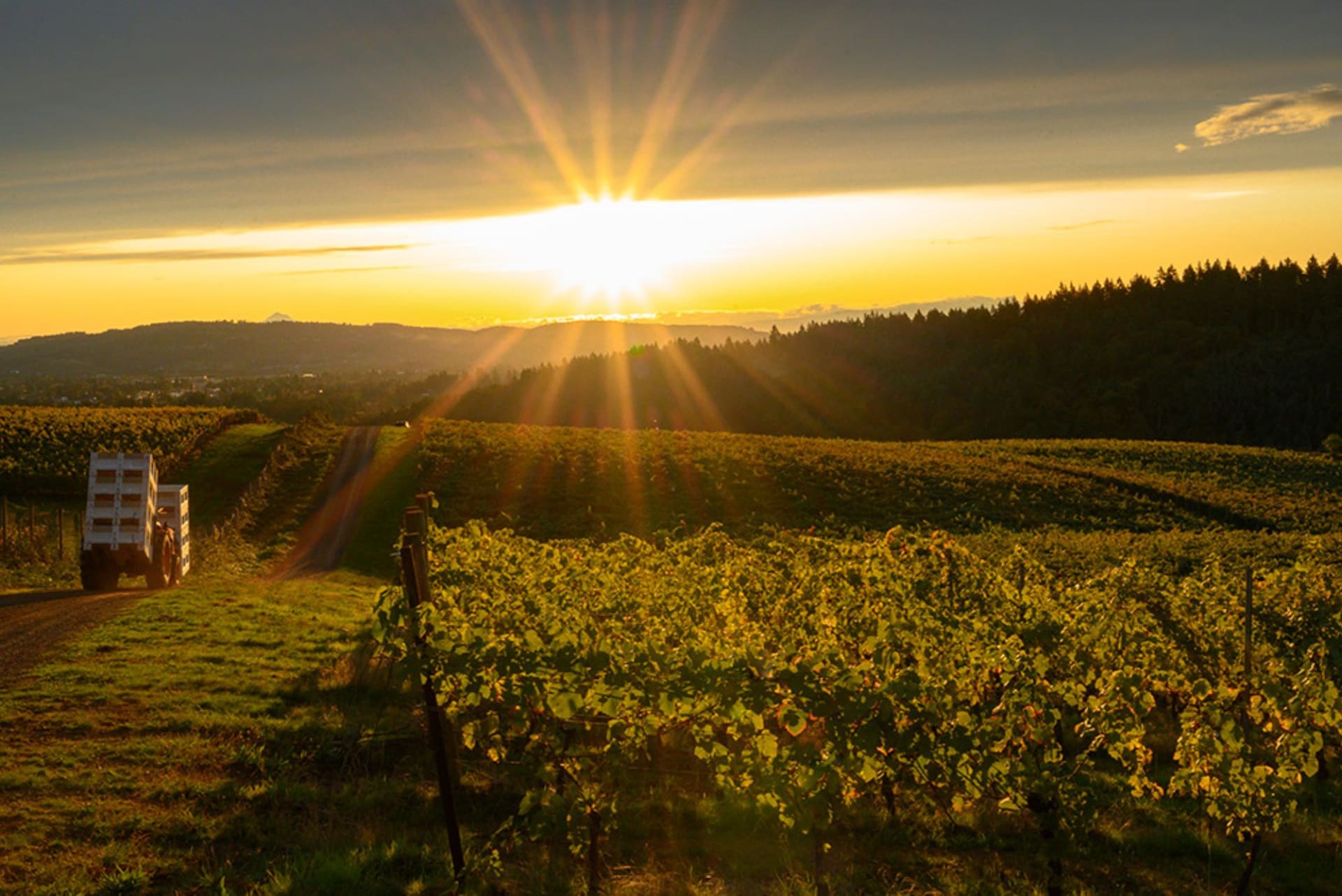



Purple Hands Vineyards celebrates site-specific pinot noir and chardonnay that unearth the Willamette Valley’s long evolutionary history. Using traditional winemaking techniques, they strive to produce wines that convey an honest expression of each of their vineyards—its grapevines and cultivation, soil and stone, sunshine and rain. All of their wines undergo native fermentation and remain unfined and unfiltered at bottling to preserve their natural, wild character. Achieving elegance in this pursuit is the passion and art of their craft.
Over the past 40 years, Cody’s family has created a legacy of quality in the Oregon wine industry. Their winemaking styles and techniques helped Oregon’s Willamette Valley become the premium Pinot noir producing region in the world. At Purple Hands, Cody continues to build on the standard of excellence initiated by the previous generation.

Thin-skinned, finicky and temperamental, Pinot Noir is also one of the most rewarding grapes to grow and remains a labor of love for some of the greatest vignerons in Burgundy. Fairly adaptable but highly reflective of the environment in which it is grown, Pinot Noir prefers a cool climate and requires low yields to achieve high quality. Outside of France, outstanding examples come from in Oregon, California and throughout specific locations in wine-producing world. Somm Secret—André Tchelistcheff, California’s most influential post-Prohibition winemaker decidedly stayed away from the grape, claiming “God made Cabernet. The Devil made Pinot Noir.”

Running north to south, adjacent to the Willamette River, the Eola-Amity Hills AVA has shallow and well-drained soils created from ancient lava flows (called Jory), marine sediments, rocks and alluvial deposits. These soils force vine roots to dig deep, producing small grapes with great concentration.
Like in the McMinnville sub-AVA, cold Pacific air streams in via the Van Duzer Corridor and assists the maintenance of higher acidity in its grapes. This great concentration, combined with marked acidity, give the Eola-Amity Hills wines—namely Pinot noir—their distinct character. While the region covers 40,000 acres, no more than 1,400 acres are covered in vine.