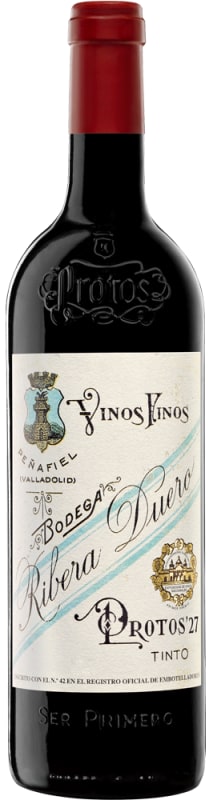


Winemaker Notes
Intense cherry red color, with violet hues resulting in a very vivid and bright wine. Elegant, with fresh and original aromas of ripe black fruits, sweet spices and fine toasted notes. Very balanced and easy to drink wine, with round tannins and a long and very pleasant finish.
Ideal pairings include BBQ, lamb, stews, and even seafood with strong sauces.
Professional Ratings
-
James Suckling
Perfumed nose of raspberries, pomegranates, rose hips, coconut and cinnamon stick. It’s full-bodied with firm, chewy tannins. Lots of sweet spice. 100% tinto fino.
-
Wine Enthusiast
Aromas of leathery plum, blackberry, oak spice and dried earth set up a concentrated but slightly rough and grating palate, with gravelly tannins. Oak is a big part of a flavor package that includes wood spice and cinnamon along with generic berry and plum. A savory finish is oaky and spicy but also a touch hot and burning. Drink this Tempranillo named after the year that Protos was founded through 2024.
-
Wine Spectator
This full-bodied red shows a nice crispness to its acidity, with boysenberry, cherry and violet notes marked with anise, chocolate shavings and smoke elements. Muscular, firm tannins.
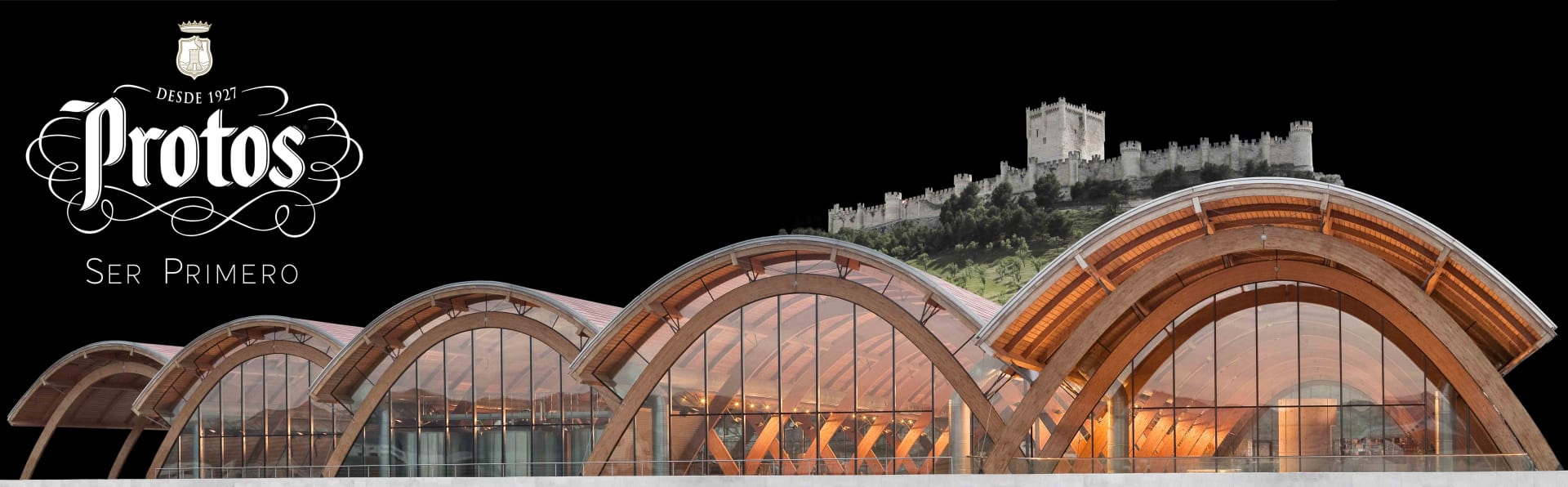


The history of Protos dates back to 1927, when 11 viticulturists established the “Ribera del Duero” winery, with an avantgarde vision of preparing quality wines under one brand. Over ninety years later, this spirit still lives on and continues growing year upon year. At Protos, we take pride in our roots, using only our native varieties, Tempranillo and Verdejo, and in 1982, allowing our brand “Ribera del Duero” to be used for the recently established Ribera del Duero Denomination of Origin.
Genuine commitment to quality, controlled vineyards, limited yields, manual harvest, barrel aging and a rigorous control of the entire elaboration process, give our wines global prestige.
This commitment to quality is demonstrated through the brand’s ongoing reinvestment in research and betterment of their vineyards & wineries. This eagerness to keep evolving and adapting the wines with the outmost respect to the land, have ensured Protos as one of the most well-known and reliable brands by consumers the world over.

Notoriously food-friendly, long-lasting and Spain’s most widely planted grape, Tempranillo is the star variety of red wines from Rioja and Ribera del Duero. The Rioja terms Joven, Crianza, Reserva and Gran Reserva indicate both barrel and bottle time before release. Traditionally blended in Rioja with Garnacha, plus a bit of Mazuelo (Carignan) and Graciano, the Tempranillo in Ribera del Duero typically stands alone. Somm Secret—Tempranillo claims many different names depending on location. In Penedès, it is called Ull de Llebre and in Valdepeñas, goes by Cencibel. Known as Tinta Roriz in Portugal, Tempranillo plays an important role in Port wine.

Ribera del Duero, Spanish wine region, is located in northen Spain’s Castilla y León region, just a 2-hour drive from Madrid. While winemaking in this area goes back more than 2000 years, it was in the 1980s that 9 wineries applied for and were granted Denominación de Origen (D.O.) status. Today, more than 300 wineries call Ribera del Duero home, including some of Spain’s most iconic names.
Notable Facts Ribera’s main grape variety, Tempranillo, locally know as Tinto Fino, is perfectly suited to the extreme climate of the region, where it must survive scorching summers and frigid winters. Low yields resulting from conscientious tending to old vines planted in Ribera’s diverse soils types, give Ribera wines a distinctive depth and complexity not found in other Tempranillos. Rich and full-bodied, the spice, dark fruit and smoky flavors in a bold Ribera del Duero will pair well with roasted and grilled meats, Mexican food and tomato-based sauces.