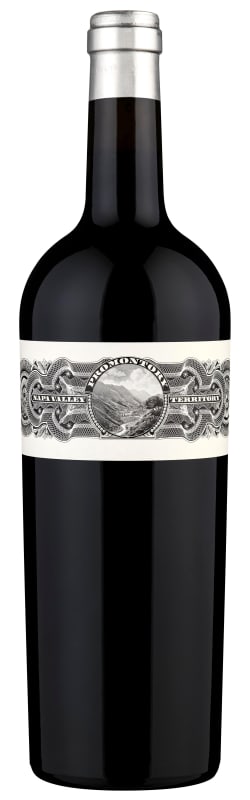


Winemaker Notes
Professional Ratings
-
Jeb Dunnuck
Lastly, the 2019 Promontory matches the perfect 2016 from this estate and is legendary stuff. Ripe black fruits, chocolatey, lead pencil shaving, roasted herbs, and tobacco are just some of its nuances, and this beauty hits the palate with full-bodied richness, a deep, layered, concentrated mid-palate, ultra-fine tannins, and an incredible finish. It doesn’t get any better. This has the class of a First Growth from Bordeaux paired with a Napa sense of texture and fruit. It will evolve for 40-50 years.
-
James Suckling
Purple-fruit, dark-licorice and conifer aromas follow through to a medium to full body with firmness and a linear flow that goes on for minutes. Racy tannins and focus. Give this until at least 2028.
-
Robert Parker's Wine Advocate
The 2019 Promontory offers up slightly darker cherries than the red-fruited 2018, couched in a bed of foresty-minty notes and underpinned by crushed stone. At this stage, it looks more intense but otherwise similar to the excellent 2018, finishing long, silky and elegant, with mouthwatering freshness. Collectors should enjoy comparing the two years for decades to come.
-
Vinous
The 2011 Promontory is just starting to enter its first plateau of maturity. Dark, dense and layered, the 2011 is striking. Dark cherry, gravel, scorched earth, tobacco, spice and licorice build with some coaxing. The late harvest gave the 2011 an exotic flair that is impossible to miss.


One of the most prestigious wines of the world capable of great power and grace, Napa Valley Cabernet is a leading force in the world of fine, famous, collectible red wine. Today the Napa Valley and Cabernet Sauvignon are so intrinsically linked that it is difficult to discuss one without the other. But it wasn’t until the 1970s that this marriage came to light; sudden international recognition rained upon Napa with the victory of the Stag’s Leap Wine Cellars 1973 Cabernet Sauvignon in the 1976 Judgement of Paris.
Cabernet Sauvignon undoubtedly dominates Napa Valley today, covering half of the land under vine, commanding the highest prices per ton and earning the most critical acclaim. Cabernet Sauvignon’s structure, acidity, capacity to thrive in multiple environs and ability to express nuances of vintage make it perfect for Napa Valley where incredible soil and geographical diversity are found and the climate is perfect for grape growing. Within the Napa Valley lie many smaller sub-AVAs that express specific characteristics based on situation, slope and soil—as a perfect example, Rutherford’s famous dust or Stags Leap District's tart cherry flavors.