


Winemaker Notes
Blend: 100% Chardonnay
Professional Ratings
-
Decanter
Ripe, redolent and loaded with barrel spice from the Dundee Hills and the cool vintage of 2022. Plenty of richness marks the aromatics of nutmeg, poached pear and almond cream. The palate shows plenty of warm baking spice, apple cake and elements of candied ginger and nutmeg.
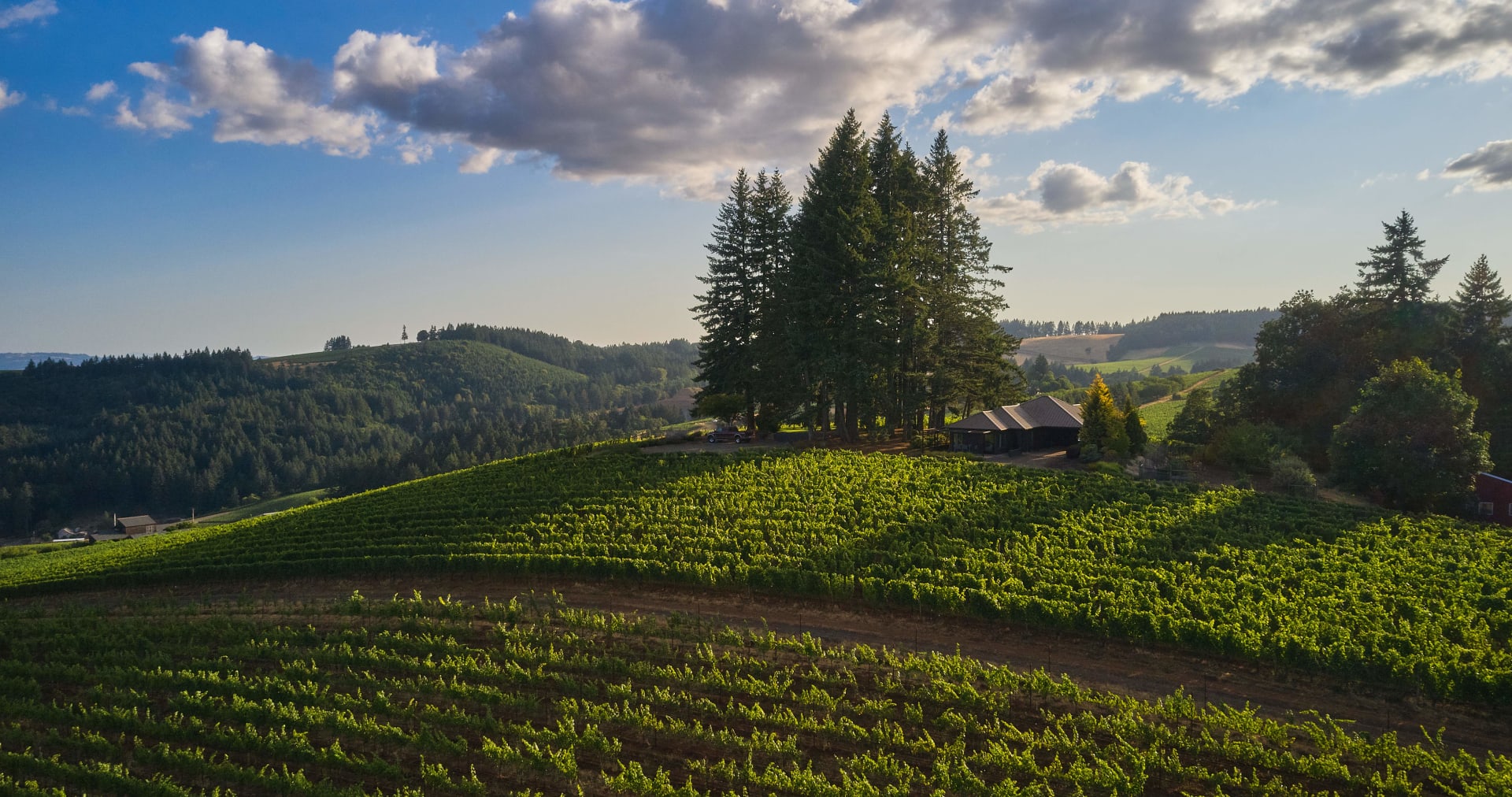


Atop the majestic heights of Dundee, Prince Hill Vineyards is a representation of the connection between land and wine. Where the rolling hills meet the endless sky, a friendship with Oregon wine pioneer Dick Erath bestowed a profound opportunity—to become stewards of his renowned site in 2017.?
Prince Hill Vineyards is a testament to terroir. At the namesake site, vines bask in the pristine conditions above the fog line, while the red Jory soil offers steadfast nourishment. This meticulous care yields wines of remarkable approachability and exquisite flavor. ?
In the greater Willamette Valley, fertile soils benefit from cooler climates ideal for winegrowing. Where elevation is higher than low-lying areas in the valley—like at their eponymous site—a slow and steady ripening process enhances the complexity and elegance of the crafted wines.

One of the most popular and versatile white wine grapes, Chardonnay offers a wide range of flavors and styles depending on where it is grown and how it is made. While it tends to flourish in most environments, Chardonnay from its Burgundian homeland produces some of the most remarkable and longest lived examples. California produces both oaky, buttery styles and leaner, European-inspired wines. Somm Secret—The Burgundian subregion of Chablis, while typically using older oak barrels, produces a bright style similar to the unoaked style. Anyone who doesn't like oaky Chardonnay would likely enjoy Chablis.

Home of the first Pinot noir vineyard of the Willamette Valley, planted by David Lett of Eyrie Vineyard in 1966, today the Dundee Hills AVA remains the most densely planted AVA in the valley (and state). To its north sits the Chehalem Valley and to its south, runs the Willamette River. Within the region’s 12,500 acres, about 1,700 are planted to vine on predominantly basalt-based, volcanic, Jory soil.