


Winemaker Notes
Professional Ratings
-
Decanter
Priest Ranch’s philosophy is that all wines must stem from the land. This approach is followed religiously by viticulturist and winemaker Craig Becker, who adopts a minimalist approach in the winery. Priest Ranch is named after James Joshua Priest, who settled in the area in 1869 as a gold prospector. Today it’s owned by the Somerston Wine Estate which, in 2004 it merged with its 386ha Elder Valley estate. The first vintage of this wine was made in 2006 from vines planted in 1972. Stephen Brook: Ripe blackberry nose that is just the right side of jammy. Rich and velvety despite the underlying tannins, this has a certain grandeur. Very concentrated and forceful, with enough acidity to give it persistence. Alex Hunt MW: Youthful and tightly knit, this wine shows real poise and focus. There is a currant-based core that will emerge in bottle, filling out the current neat tannic structure. Stefan Neumann MS: Blackcurrant and blackberries are the dominant aromas and offer immediate charm on the nose. Concentrated with quite a high ripeness level, which makes it enjoyable in its youth. Good juicy character with a tick of grippy tannins.
-
James Suckling
Attractive blackberry, plum and dried-mushroom character with hints of bark. Medium to full body, firm and silky tannins and a fresh, citrus-peel undertone on the finish. More reserved than past vintages.
-
Robert Parker's Wine Advocate
The 2014 Cabernet Sauvignon is 93% Cabernet Sauvignon and the rest Merlot and Petit Verdot. Generous flavors of blackcurrants, plum, Asian spice, licorice and earth jump from the glass as well as the flavors of this full-bodied, supple-textured, low-acid and fleshy wine. It is delicious now and should continue to be so for 15 or more years.
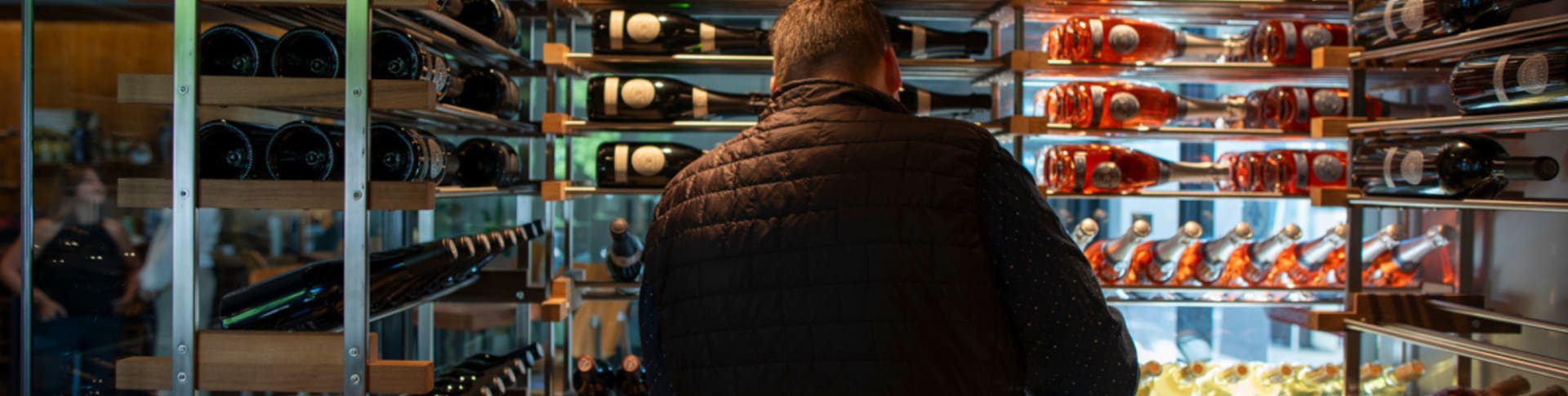



Priest Ranch is a Napa Valley wine brand driven by a passion for bold flavors, unforgettable experiences, and a deep connection to the land. Crafted from 100% estate-grown fruit, every Priest Ranch wine is produced and bottled to express the distinctive character of its origin. From powerful Cabernet Sauvignon and the iconic Snake Oil blend to vibrant Sauvignon Blanc, the wines embody an adventurous spirit and a commitment to exceptional quality from vine to bottle.
Blending culinary curiosity, craftsmanship, and Napa Valley hospitality, Priest Ranch invites wine lovers to experience wine through a more flavorful and inspired lens. Rich textures, layered complexity, and approachable elegance make these wines equally suited for celebratory dinners, casual gatherings, and memorable food pairings. Each bottle reflects a philosophy that great wine is best enjoyed as part of a shared experience around the table.
Located in the heart of Napa Valley in Yountville, California, the Priest Ranch tasting room offers guests an immersive introduction to the brand's distinctive style and sense of place. Visitors can explore estate-grown wines through thoughtfully curated tastings that combine bold wines with creative culinary elements. Whether discovering Priest Ranch for the first time or returning to a favorite vintage, guests are welcomed into a world where adventurous wines, elevated food experiences, and warm hospitality come together in memorable ways.

One of the most prestigious wines of the world capable of great power and grace, Napa Valley Cabernet is a leading force in the world of fine, famous, collectible red wine. Today the Napa Valley and Cabernet Sauvignon are so intrinsically linked that it is difficult to discuss one without the other. But it wasn’t until the 1970s that this marriage came to light; sudden international recognition rained upon Napa with the victory of the Stag’s Leap Wine Cellars 1973 Cabernet Sauvignon in the 1976 Judgement of Paris.
Cabernet Sauvignon undoubtedly dominates Napa Valley today, covering half of the land under vine, commanding the highest prices per ton and earning the most critical acclaim. Cabernet Sauvignon’s structure, acidity, capacity to thrive in multiple environs and ability to express nuances of vintage make it perfect for Napa Valley where incredible soil and geographical diversity are found and the climate is perfect for grape growing. Within the Napa Valley lie many smaller sub-AVAs that express specific characteristics based on situation, slope and soil—as a perfect example, Rutherford’s famous dust or Stags Leap District's tart cherry flavors.