


Winemaker Notes
Professional Ratings
-
Decanter
This Syrah is quite beautiful. Three acres of north-facing vines are planted on the property, and the wine lifts from the glass with pure, delineated aromas of rosemary, thyme, and sage. It’s layered with exceptionally pretty, high-toned aromatics, and those savoury herbal notes carry through to the palate alongside cocoa nibs, subtle white truffle and charcuterie nuances, and delicate violets on the lengthy, lightly white-peppered finish. Gorgeously medium-bodied and elegant.
-
James Suckling
Perfumed and dark-fruited aromas of black olives, black currants, ink, dried Provencal herbs and licorice. The palate shows fine, firm yet integrated tannins, a plush mid-palate and bright acidity that leaves a savory, earthy feel with plenty of nerviness and focus. 5% whole-cluster fermented.


Marked by an unmistakable deep purple hue and savory aromatics, Syrah makes an intense, powerful and often age-worthy red. Native to the Northern Rhône, Syrah achieves its maximum potential in the steep village of Hermitage and plays an important component in the Red Rhône Blends of the south, adding color and structure to Grenache and Mourvèdre. Syrah is the most widely planted grape of Australia and is important in California and Washington. Sommelier Secret—Such a synergy these three create together, the Grenache, Syrah, Mourvedre trio often takes on the shorthand term, “GSM.”
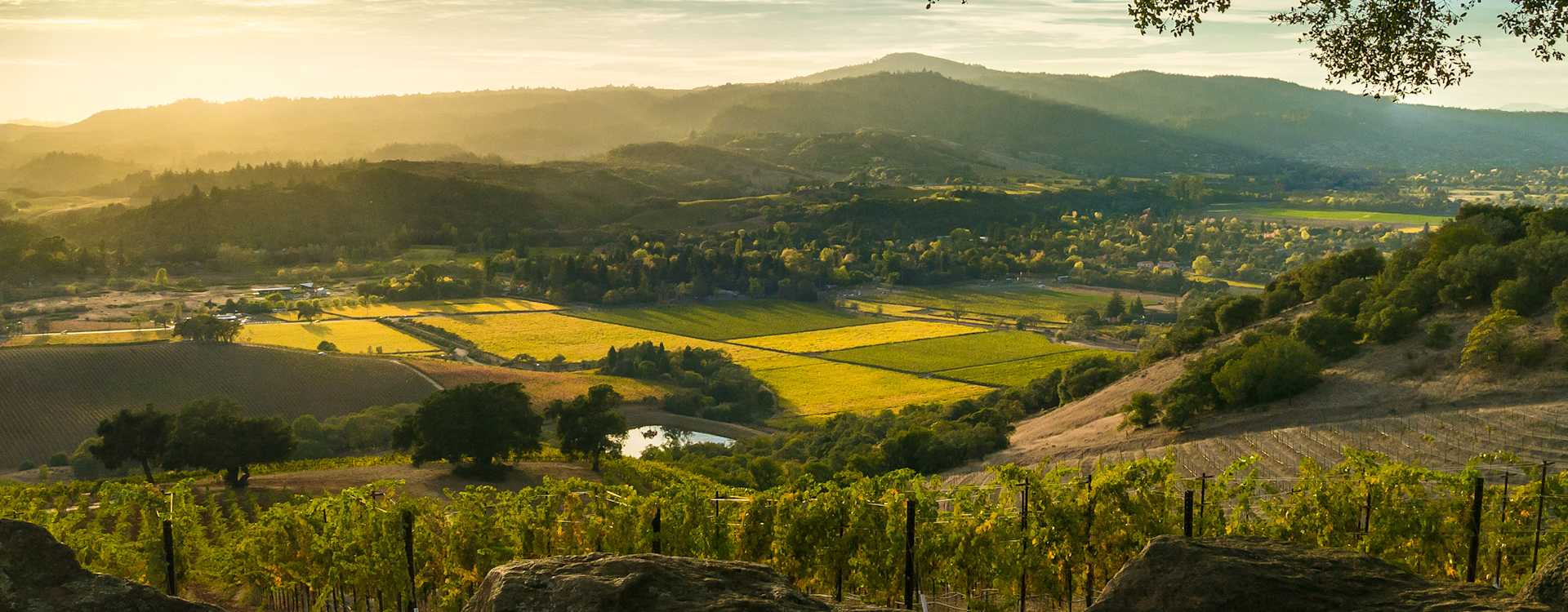
Home to a diverse array of smaller AVAs with varied microclimates and soil types, Sonoma County has something for every wine lover. Physically twice as large as Napa Valley, the region only produces about half the amount of wine but boasts both tremendous quality and variety. With its laid-back atmosphere and down-to-earth attitude, the wineries of Sonoma are appreciated by wine tourists for their friendliness and approachability. The entire county intends to become a 100% sustainable winegrowing region by 2019.
Sonoma County wines are produced with carefully selected grape varieties to reflect the best attributes of their sites—Dry Creek Valley’s consistent sunshine is ideal for Zinfandel, while the warm Alexander Valley is responsible for rich, voluptuous red wines like Cabernet Sauvignon. Chardonnay and Pinot Noir are important throughout the county, most notably in the cooler AVAs of Russian River, Sonoma Coast and Carneros. Sauvignon Blanc, Merlot and Syrah have also found a firm footing here.