


Winemaker Notes
The nose is expressive, displaying aromas of blackberry, blueberry and a hint of cinnamon, rounding out with seductive oak notes. Color is bright, with an intense gem-like quality paired with dark violet highlights. This is a full-bodied wine that displays solid structure and complexity, exhibiting dark red fruit and a lingering finish.
Professional Ratings
-
James Suckling
Blueberry and currant character with a hint of vanilla. Medium to full body. Chewy tannins and a flavorful finish. Needs time to soften. Better after 2020.
-
Wine Enthusiast
Made with organically grown grapes, this Cabernet Sauvignon opens with inviting aromas of cassis, underbrush and mint. The savory, polished palate features black currant, licorice and tobacco alongside fine-grained tannins. Drink through 2026.


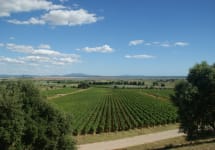
In this hilly amphitheater called Prelius, the vineyard is organically farmed by the Stianti Mascheroni family flourishes. This vineyard, also called Prelius, is the first venture outside of Chianti Classico for the Stianti Mascheroni family, leaders in Tuscany's organic viticultural movement.

Legendary in Italy for its Renaissance art and striking landscape, Tuscany is also home to many of the country’s best red wines. Sangiovese reigns supreme here, as either the single varietal, or a dominant player, in almost all of Tuscany’s best.
A remarkable Chianti, named for its region of origin, will have a bright acidity, supple tannins and plenty of cherry fruit character. From the hills and valleys surrounding the medieval village of Montalcino, come the distinguished and age-worthy wines based on Brunello (Sangiovese). Earning global acclaim since the 1970s, the Tuscan Blends are composed solely of international grape varieties or a mix of international and Sangiovese. The wine called Vine Nobile di Montepulciano, composed of Prognolo Gentile (Sangiovese) and is recognized both for finesse and power.