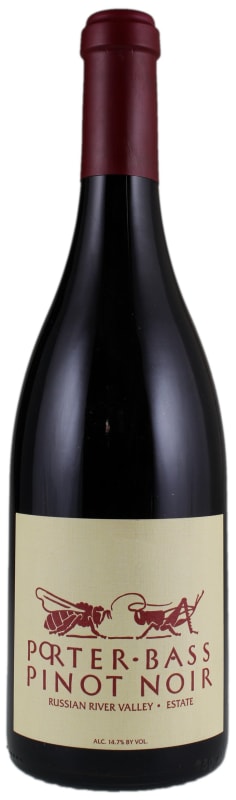


Winemaker Notes
In the winemaking the human influence is limited as much as possible. When the grapes arrive at the winery they ferment with indigenous yeasts. This imparts a greater sense of place in the wine. In the red wines the fruit is not crushed, only the stems are removed, leaving the whole berries. This gives a slower start to the fermentation and results in a greater expression of freshness. As the wines age they gain complexity but do not suffer from the premature aging that comes with over-ripe fruit. Gentle handling of the wine, using gravity flow, and minimizing the use of machines in production helps to preserve the vitality of the wine.


While the Russian River Valley is a large appellation with multiple climate zones and soil types, it is best known for cool-climate varieties, with Pinot Noir as the most celebrated. The grapes benefit from a reliable late afternoon flow of Pacific Ocean fog through the Petaluma Gap and along the Russian River Valley that ensures slow and steady ripening and the preservation of grape acidity. Today many of California’s most highly regarded Pinot Noir vineyards are in the Russian River Valley, along with its sub-appellation, Green Valley.
Historically Russian River Valley Pinot Noirs had bright red fruit and delicate earthy, mineral notes. But changes in viticultural and winemaking practices have led to stylistic changes in some of the region’s wines. Adjustments to canopy management, among other techniques, have resulted in riper fruit and bolder wines as well. These show flavors of black cherry, blackberry, cola, spice and darker, loamy earth tones, accenting traditional Pinot Noir notes of strawberry, raspberry and light cherry.