

Winemaker Notes
Professional Ratings
-
Wine Spectator
Shows blackberries and minerals on the nose. Full-bodied, with silky and refined tannins and a solid core of fruit. A little chewy, but it's all there; it's just tight and reserved. Best after 2011. 3,100 cases made.
-
Robert Parker's Wine Advocate
The estate's 2004 Brunello di Montalcino possesses gorgeous density and richness in its dark fruit, sweet toasted oak, minerals, licorice and spices. This is an especially generous, Brunello that shows terrific energy and balance in a soft, approachable style. Anticipated maturity: 2009-2019.
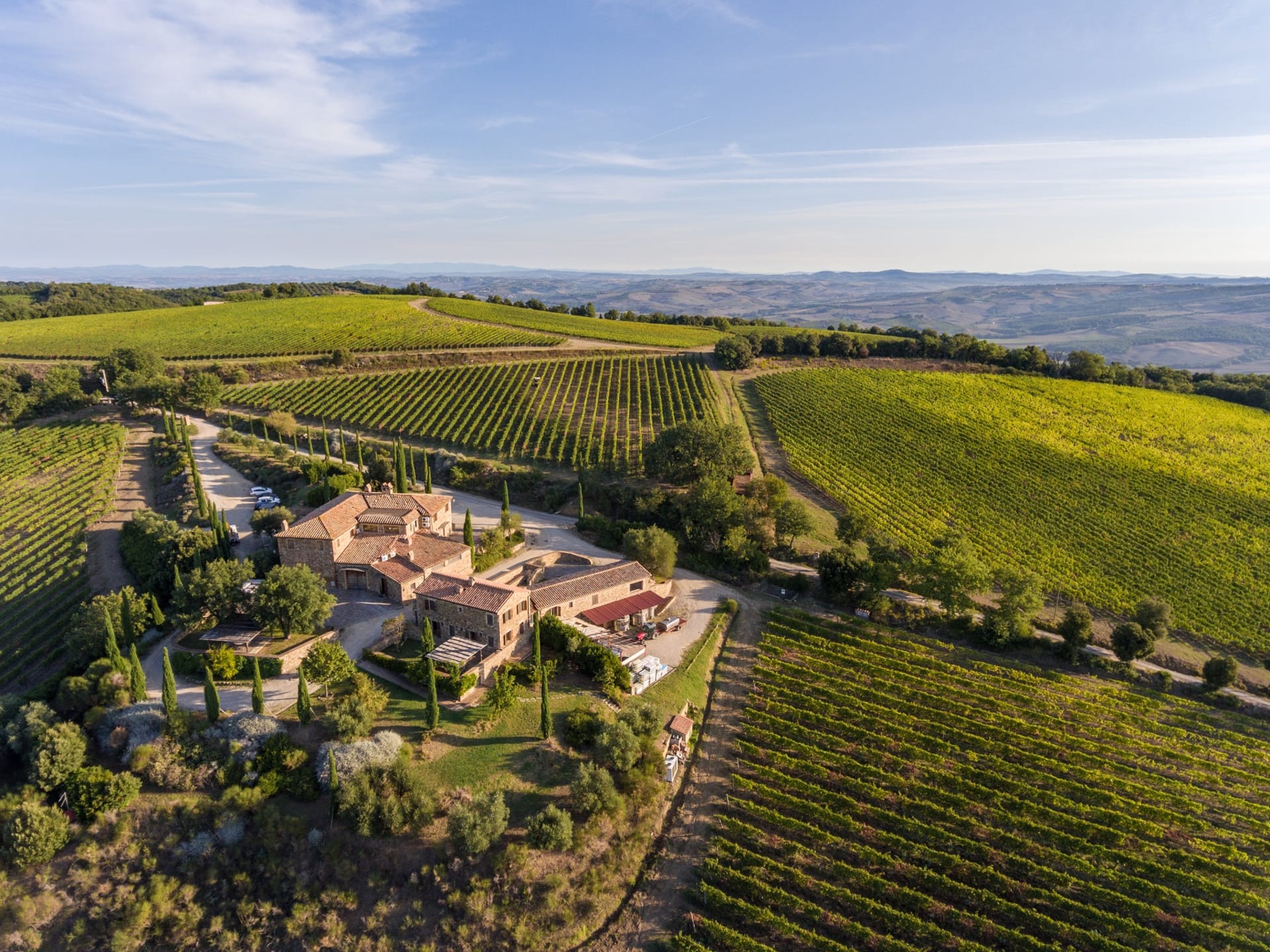


In an effort to employ environmentally sound and sustainable agriculture, natural compost and nitrogen-rich plants have replaced the chemical treatments in the San Polo vineyards. Picturesque olive groves and a magnificent farmhouse enrich the property with genuine Tuscan charm, while the modern, underground winery and cellar provide the best environment and technology for state-of-the-art winemaking. San Polo is a beautiful estate located in the southeastern part of Montalcino at 1,300 feet above sea level overlooking the Sant’Antimo Valley and Mount Amiata. It comprises 52 acres, 40 of which are dedicated to vines. Twenty acres are currently producing Brunello di Montalcino, while the rest are dedicated to Rosso di Montalcino and IGT wines. The vineyards at San Polo were planted between 1990 and 2000 and the first wines were produced in 1997. All vineyards have been planted at high density and are sustainably farmed. Winemaking at San Polo takes a comprehensive approach of quality and sustainability. In place of chemical fertilizers, nitrogen rich cover crops are used to improve the soil. Additionally, careful bud selection and canopy management aim to reduce the incidence of molds and mildews in the vineyards. The wine cellar follows the principles of integration with the natural landscape by harnessing renewable resources to power the winery. Winemaker, Luca d'Attoma, meticulously manages the estate grown fruit and strives to keep energy consumption to a minimum during the winemaking process. The ultimate goal at San Polo is to maximize the expression of the unique hilltop terrior of Montalcino, while preserving it for future generations.

Among Italy's elite red grape varieties, Sangiovese has the perfect intersection of bright red fruit and savory earthiness and is responsible for the best red wines of Tuscany. While it is best known as the chief component of Chianti, it is also the main grape in Vino Nobile di Montepulciano and reaches the height of its power and intensity in the complex, long-lived Brunello di Montalcino. Somm Secret—Sangiovese doubles under the alias, Nielluccio, on the French island of Corsica where it produces distinctly floral and refreshing reds and rosés.

Famous for its bold, layered and long-lived red, Brunello di Montalcino, the town of Montalcino is about 70 miles south of Florence, and has a warmer and drier climate than that of its neighbor, Chianti. The Sangiovese grape is king here, as it is in Chianti, but Montalcino has its own clone called Brunello.
The Brunello vineyards of Montalcino blanket the rolling hills surrounding the village and fan out at various elevations, creating the potential for Brunello wines expressing different styles. From the valleys, where deeper deposits of clay are found, come wines typically bolder, more concentrated and rich in opulent black fruit. The hillside vineyards produce wines more concentrated in red fruits and floral aromas; these sites reach up to over 1,600 feet and have shallow soils of rocks and shale.
Brunello di Montalcino by law must be aged a minimum of four years, including two years in barrel before realease and once released, typically needs more time in bottle for its drinking potential to be fully reached. The good news is that Montalcino makes a “baby brother” version. The wines called Rosso di Montalcino are often made from younger vines, aged for about a year before release, offer extraordinary values and are ready to drink young.