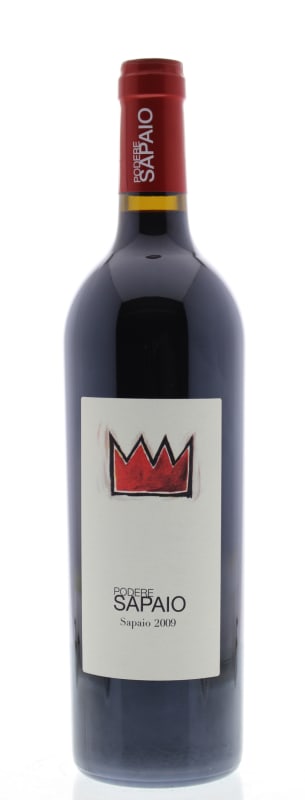


Winemaker Notes
Professional Ratings
-
James Suckling
Chili powder, dark fruits and flowers on the nose. Full body, with chewy tannins that are polished and caressing. Very beautiful. Bordeaux blend. Needs two or three years to soften.
-
Wine Enthusiast
A concentrated blend of Cabernet Sauvignon, Cabernet Franc and Petit Verdot, this opens with dark spice and chocolate notes, followed by luscious blackberry, prune and plum tones. Smooth and extracted, this offers velvety tannins and generous fruit flavors. It is packed with all kinds of opulent pleasure.
-
Wine Spectator
An intense, powerful red, offering effusive aromas and flavors of black cherry, black currant, vanilla and toasted oak, with tobacco and leather elements emerging as this unfolds on the palate. Firmly structured and long, this gains elegance and grace on the long aftertaste. Best from 2015 through 2024.


One of the world’s most classic and popular styles of red wine, Bordeaux-inspired blends have spread from their homeland in France to nearly every corner of the New World. Typically based on either Cabernet Sauvignon or Merlot and supported by Cabernet Franc, Malbec and Petit Verdot, the best of these are densely hued, fragrant, full of fruit and boast a structure that begs for cellar time. Somm Secret—Blends from Bordeaux are generally earthier compared to those from the New World, which tend to be fruit-dominant.

An outstanding wine region made famous by Marchese Mario Incisa della Rocchetta, who planted Cabernet Sauvignon vines for his own consumption in 1940s on his San Guido estate, and called the resulting wine, Sassicaia. Today the region’s Tuscan reds are based on Cabernet Sauvignon and Merlot, which can be made as single varietal wines or blends. The local Sangiovese can make up no more than 50% of the blends. Today Sassicaia has its own DOC designation within the Bogheri DOC appellation.