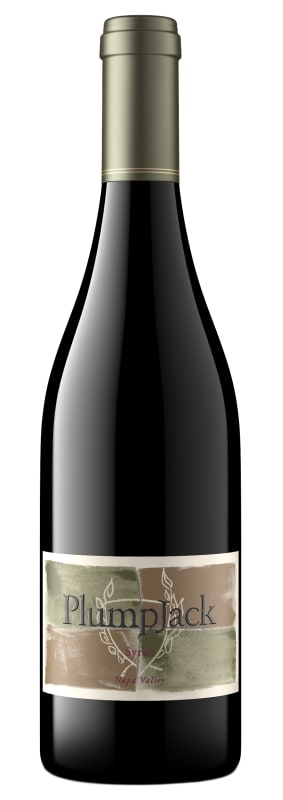


Winemaker Notes
Blend: 100% Syrah
Professional Ratings
-
Vinous
The 2023 Syrah is the bomb. Inky, deep and explosive, the 2023 is seriously impressive. A blast of dark cherry fruit, lavender, licorice, espresso and dried herbs stains the palate. The 22% stems are buried under waves of fruit. This unctuous, full-throttle Syrah has so much to offer.
-
James Suckling
This syrah balances densely packed dark fruit with lovely undertones of cured meat, coffee beans, crushed stones, earth and dried herbs. The palate is deeply brooding, with flavors of black currants, mocha, peppercorns and smoke with a hint of minerals. A savory, fruit-driven syrah with a nice nod to the Northern Rhone. Sourced from the cooler appellations of Carneros and Atlas Peak.
-
Jeb Dunnuck
From Carneros and Atlas Peak, this is rocking stuff, offering juicy blackberry, peppery herbs, game, and California Bay aromatics. Based on 100% Syrah that was 22% whole-cluster fermented and aged 18 months in 60% new French oak, the 2023 Syrah is medium to full-bodied, with a round, layered mouthfeel, ripe yet certainly present tannins, and a great finish.
-
Wine Spectator
Roasted herb and peppery beef accents frame this bold and ripe version, with blackberry and plum flavors at the center. Theres a trace of fresh acidity underneath to keep this honest while finishing with robust tannins and hints of green peppercorn. Drink now through 2034. 1,429 cases made.


Undoubtedly proving its merit over and over, Napa Valley is a now a leading force in the world of prestigious red wine regions. Though Cabernet Sauvignon dominates Napa Valley, other red varieties certainly thrive here. Important but often overlooked include Merlot and other Bordeaux varieties well-regarded on their own as well as for their blending capacities. Very old vine Zinfandel represents an important historical stronghold for the region and Pinot noir is produced in the cooler southern parts, close to the San Pablo Bay.
Perfectly situated running north to south, the valley acts as a corridor, pulling cool, moist air up from the San Pablo Bay in the evenings during the hot days of the growing season, which leads to even and slow grape ripening. Furthermore the valley claims over 100 soil variations including layers of volcanic, gravel, sand and silt—a combination excellent for world-class red wine production.