
Winemaker Notes
Makes an excellent partner to complex dishes, even with strong flavors particularly risottos such as porcini, or celery, squash and almond, salt cod and other fish including salmon, scallops and crab.
Professional Ratings
-
Wilfred Wong of Wine.com
The 2014 Pieropan La Rocca Soave Classico is a white wine that you can chew on and serve with a sumptuous meal that many would reserve for red wine pairings. Its concentration would work well with organically raised game hen. Drinks nicely now. (Tasted: October 10, 2016, San Francisco, CA)
-
Wine Enthusiast
Delicate scents of spring blossom, exotic fruit, hazelnut and a whiff of oak emerge on this radiant white. The linear, elegant palate offers tangerine zest, yellow apple, mineral and bitter almond accompanied by vibrant acidity. It's loaded with finesse.
-
Wine & Spirits
The 2013 La Rocca feels weightier than the 2014 (reviewed above), with more muted aromatics and a texture that veers toward buttercream. A core of acidity cuts through the flavors of lemon curd, toasted almond and vanilla bean, keeping the richness in check. This will appeal to lovers of California chardonnay, and those seeking a partner for lobster bisque. E&J Gallo, Modesto, CA
-
Wine Spectator
Flavors of yellow plum and apricot tart feature prominently in this creamy, elegant white, underscored by a vein of smoky minerality. Pastry cream, spice and citrus zest notes accent the lively finish. Drink now through 2020.


One of Italy’s classic white varieties, Garganega flourishes in the rolling vineyards surrounding the medieval village of Soave and is the dominant variety in the wine from the region, aptly known as, Soave. By law it makes up 70-100% of the blend with the remainder traditionally finished off by Trebbiano di Soave for its crispness. Somm Secret—The best Soave wines, measurably elegant and vibrant, come from the Soave Classico zone, in the center of Soave, where the hills are made of decomposed volcanic and granitic soils.
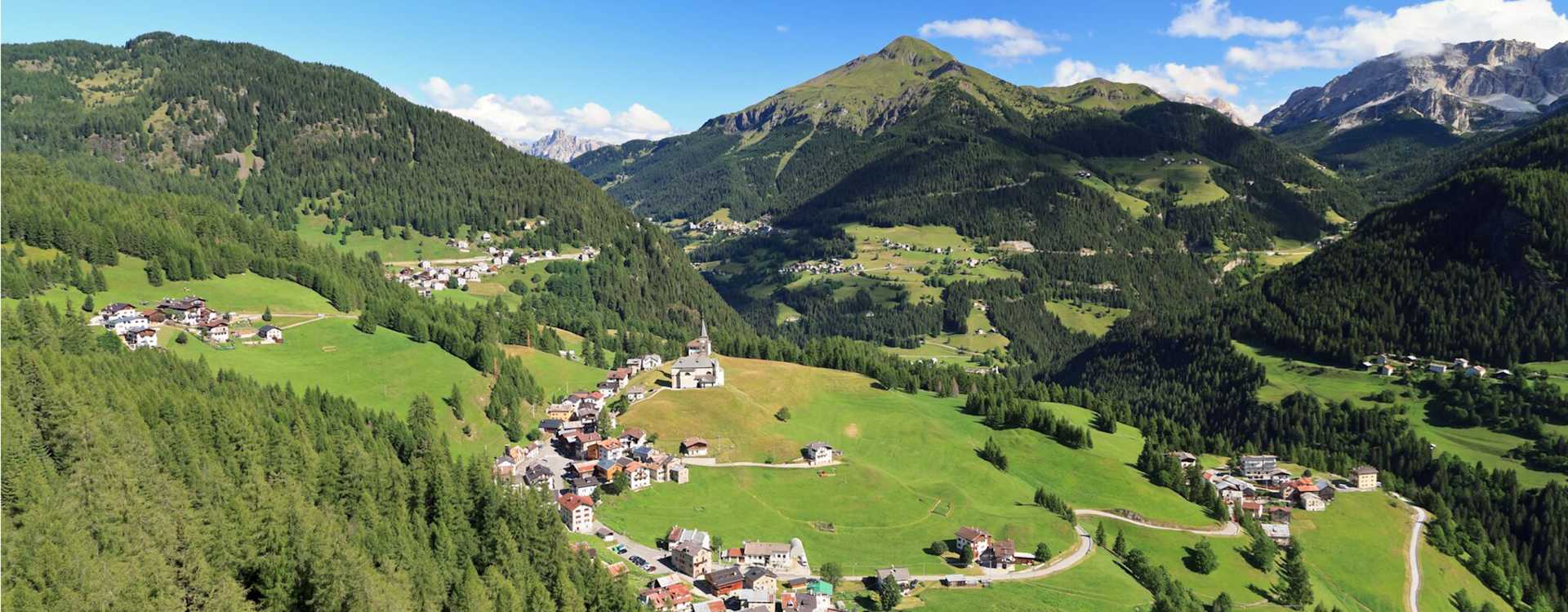
Among Italy’s classic whites capable of great potential, Soave is named after the medieval village and surrounding hillsides from whence it comes. The original, historical Soave zone, delimited back in 1927, covers the eastern, volcanic hillsides of today's general Soave zone and is called Soave Classico.
Garganega, the indigenous grape responsible for great Soave, produces medium bodied white wines with fine acidity. Typical in the best Soaves are lively flowery and fresh herbal aromas and flavors such as orange zest, peach, melon and marjoram. The best can take some age and in so doing, develop notes of chamomile, marmalade and honey.
By the 1960s and 70s, Soave was enjoying such a glorious global reputation, that its demand forced growers to push beyond the zone's original borders. Expansion led west out of the hills and onto the alluvial plain of the Adige River. This, coupled with an increase in yields and allowance of additional varieties such as Trebbiano, Chardonnay and Pinot blanc, met demand but created a softer, fruit-forward, everyday Soave. Today the broader region can be the source of charming and value driven whites. But those labeled as Soave Classico or in rare cases, as Soave Colli Scaligeri (nearby hillside vineyards abutting the Classico zone), will be the best quality and age-worthy Soaves. These are often 100% Garganega.