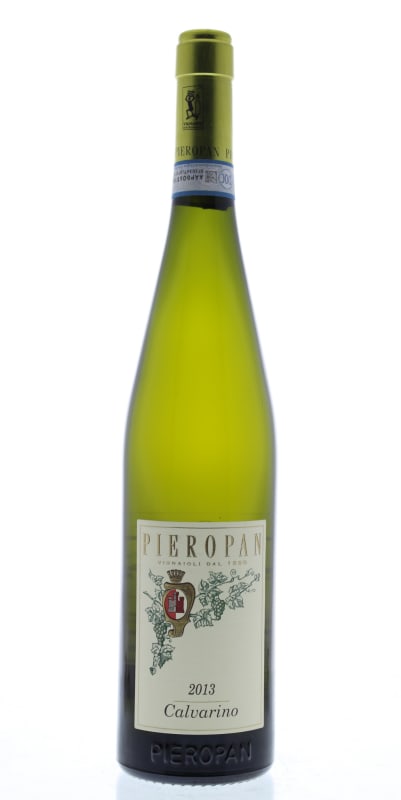


Winemaker Notes
It makes an excellent partner for soups, starters, especially vegetable based such as asparagus, peas, courgette, egg-based dishes or seafood and fresh water fish dishes. It is an excellent aperitif,
Professional Ratings
-
Wine Enthusiast
#19 Wine Enthusiast Top 100 of 2016
This dazzling white is a lesson in finesse and balance. It opens with alluring, delicate scents of white wild flowers, chopped herbs, almonds and orchard fruits. The elegant palate offers layers of crisp apple and creamy pear, and radiant acidity brightens the intense flavors while a mineral note closes the lingering finish. Drink through 2023.
-
Wine & Spirits
Calvarino is exuberant in 2014, bursting with flavors of fresh yellow pear and juicy lemon entwined in a zesty acidity that drives the flavors upward. Thirty percent Trebbiano di Soave fleshes out the Garganega in this blend, the fruit flavors showing an old-vine (30 to 60 years old) density and concentration. The wine rested on the lees in glass-lined cement tanks for a year, developing creamy and toasty notes that enrich the succulent fruit flavors. A few years in the cellar may bring more complexity, but its sunny character is enticing today.
-
Wine Spectator
Aromatic, with honeysuckle and mandarin orange notes, this light- to medium-bodied white is fresh and well-knit. The refined palate carries flavors of ripe green pear, stone and sliced almond, with a lingering finish. Drink now through 2020. Top Value Pick


One of Italy’s classic white varieties, Garganega flourishes in the rolling vineyards surrounding the medieval village of Soave and is the dominant variety in the wine from the region, aptly known as, Soave. By law it makes up 70-100% of the blend with the remainder traditionally finished off by Trebbiano di Soave for its crispness. Somm Secret—The best Soave wines, measurably elegant and vibrant, come from the Soave Classico zone, in the center of Soave, where the hills are made of decomposed volcanic and granitic soils.
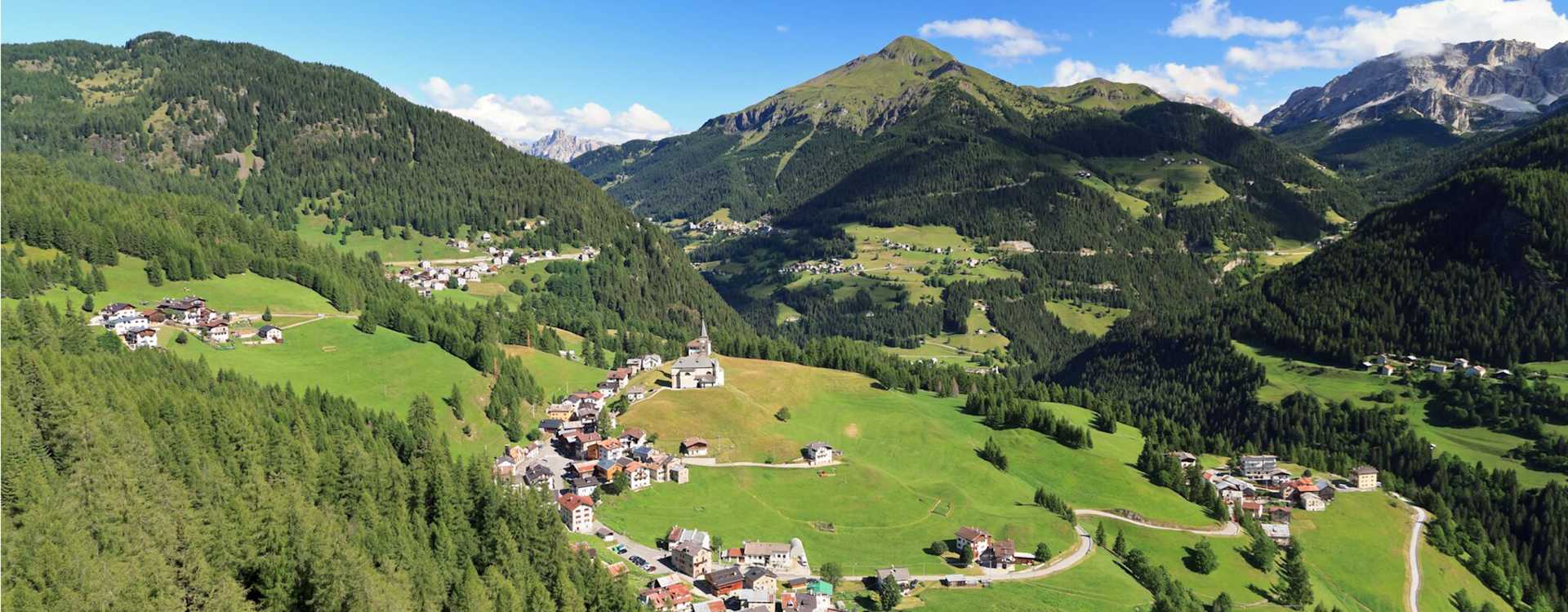
Among Italy’s classic whites capable of great potential, Soave is named after the medieval village and surrounding hillsides from whence it comes. The original, historical Soave zone, delimited back in 1927, covers the eastern, volcanic hillsides of today's general Soave zone and is called Soave Classico.
Garganega, the indigenous grape responsible for great Soave, produces medium bodied white wines with fine acidity. Typical in the best Soaves are lively flowery and fresh herbal aromas and flavors such as orange zest, peach, melon and marjoram. The best can take some age and in so doing, develop notes of chamomile, marmalade and honey.
By the 1960s and 70s, Soave was enjoying such a glorious global reputation, that its demand forced growers to push beyond the zone's original borders. Expansion led west out of the hills and onto the alluvial plain of the Adige River. This, coupled with an increase in yields and allowance of additional varieties such as Trebbiano, Chardonnay and Pinot blanc, met demand but created a softer, fruit-forward, everyday Soave. Today the broader region can be the source of charming and value driven whites. But those labeled as Soave Classico or in rare cases, as Soave Colli Scaligeri (nearby hillside vineyards abutting the Classico zone), will be the best quality and age-worthy Soaves. These are often 100% Garganega.