


Winemaker Notes
Bright, pale gold. The nose is bursting with notes of fresh fruit, white peach and citrus with a delicate touch of fresh hazelnut. The palate is lively, full, and balanced. Long and refreshing, this is a superb Burgundy.
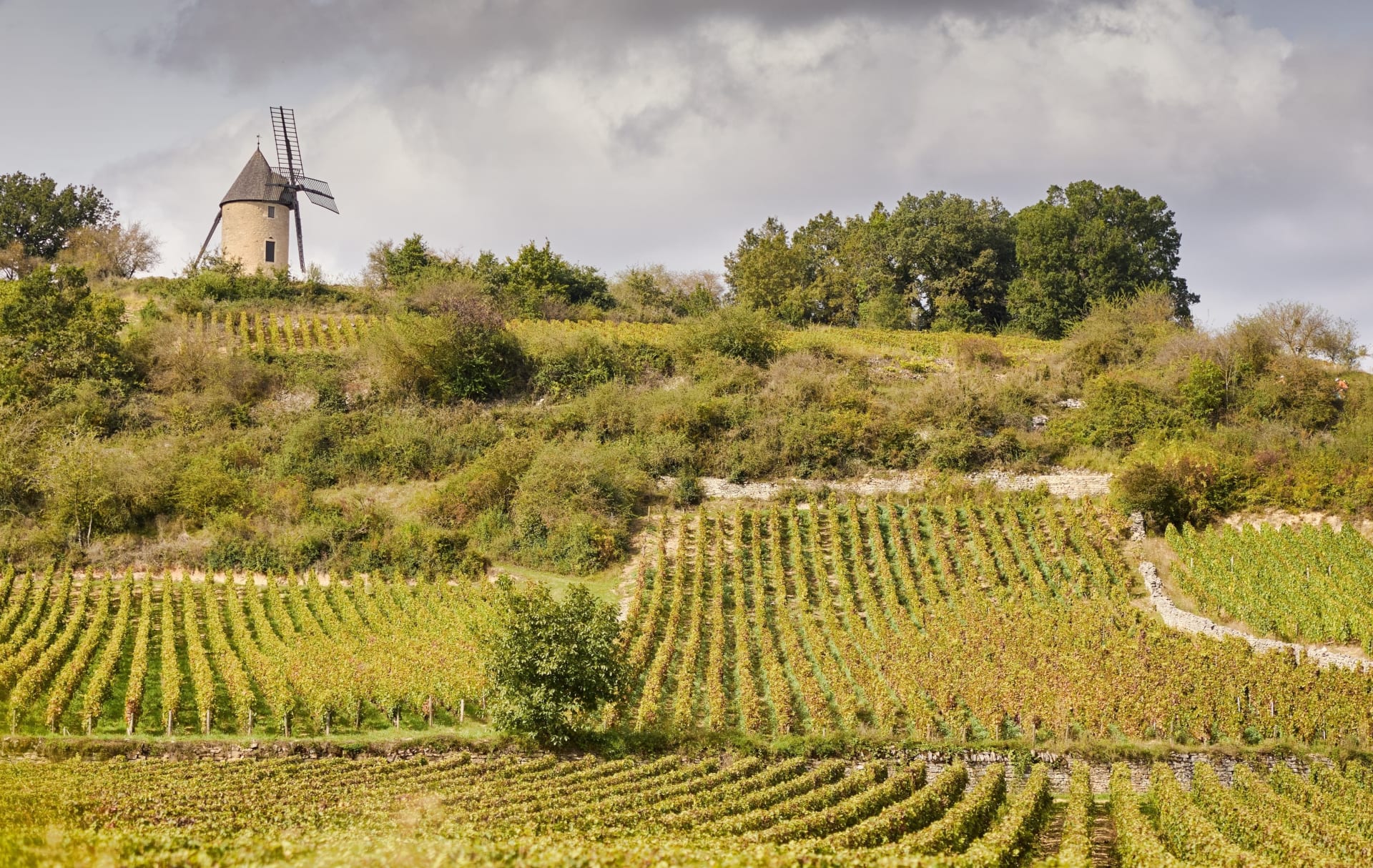




Domaine du Château Philippe le Hardi (formerly Château de Santenay) was once the majestic stately home of the first Duke of Burgundy. This historic estate is one of Burgundy’s most prestigious producers with its colorful glazed roof tiles. Working in a very natural way, they farm their 200+ acres of vineyards throughout the Côte d’Or and Côte Chalonnaise. Their wines are distinctive and reflect the delicate complexities of each unique vineyard site. For the last 20 years, the domaine has been taking an environmentally-friendly approach to growing, proving itself to be a true pioneer in this respect. It has been TERRA VITIS certified since 2004 and was certified by the Ministry of Agriculture in 2009 for its use of sustainable growing methods. In 2015, it was one of the first wine domaines to receive ‘High Environmental Value’ (HEV 3) certification respecting a new set of specifications issued by the French Ministry of Agriculture. In 2016, the domaine set up an apiary close to the vineyards in order to verify that the techniques used were harmless to bees, which are very sensitive to the environment. Plans are already in place to introduce more hives.

One of the most popular and versatile white wine grapes, Chardonnay offers a wide range of flavors and styles depending on where it is grown and how it is made. While it tends to flourish in most environments, Chardonnay from its Burgundian homeland produces some of the most remarkable and longest lived examples. California produces both oaky, buttery styles and leaner, European-inspired wines. Somm Secret—The Burgundian subregion of Chablis, while typically using older oak barrels, produces a bright style similar to the unoaked style. Anyone who doesn't like oaky Chardonnay would likely enjoy Chablis.

A classic source of exceptional Chardonnay as well as Pinot Noir, the Côte de Beaune makes up the southern half of the Côte d’Or. Its principal wine-producing villages are Pernand-Vergelesses, Aloxe-Corton, Beaune, Pommard, Volnay, Meursault, Puligny-Montrachet and Chassagne-Montrachet.
The area is named for its own important town of Beaune, which is essentially the center of the Burgundy wine business and where many negociants center their work. Hospices de Beaune, the annual wine auction, is based here as well.