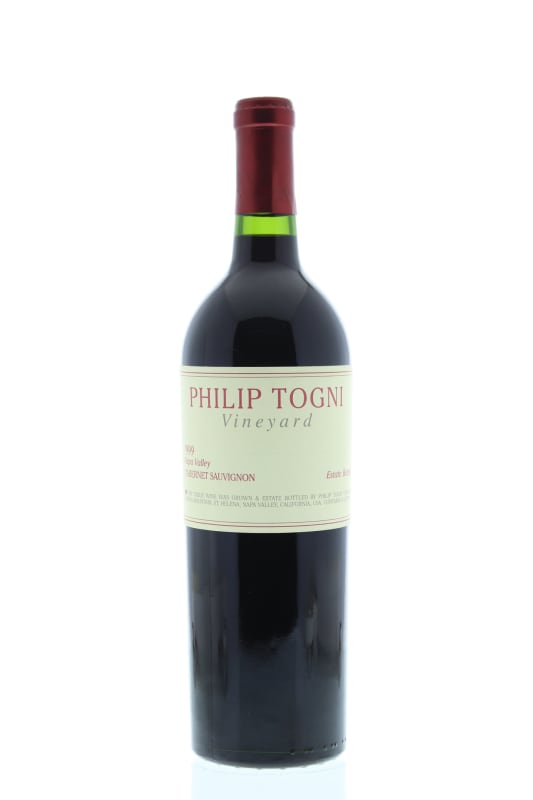


Winemaker Notes
Professional Ratings
-
Vinous
The 1999 Cabernet Sauvignon Estate is rather dark and somber. Dried herbs, incense, licorice, espresso and tobacco play off a core of blackberry fruit. Time has softened some of the bruising contours that were present at the outset, releasing gorgeous inner sweetness and perfume. I expect the 1999 will drink well for another 10-15 years, maybe more. It’s in fine shape tonight.
-
Robert Parker's Wine Advocate
I was never as enthusiastic about the 1999 vintage for Napa Cabernet as some of my colleagues, and the late-released 1999 Cabernet Sauvignon Estate displays the green, herbaceous element that was one of my disquieting observations about this vintage when it was first reviewed. Still very young, with a deeper color than the 2007 with just a touch of lightening at the edge, it reveals notes of forest floor, roasted herbs, black currants, and a hint of mint. Medium to full-bodied, pure, and extremely youthful, it has another 20 years ahead of it.
-
Wine Spectator
wine with a potent personality. Dark and intense, with a massive core of tannins lining the racy, herbaceous bell pepper, currant, earth, mineral and tar flavors. Has a good dose of cedary oak. Finishes with firm tannins and the need to rest, chained in a dark, cool space for a few years.


One of the most prestigious wines of the world capable of great power and grace, Napa Valley Cabernet is a leading force in the world of fine, famous, collectible red wine. Today the Napa Valley and Cabernet Sauvignon are so intrinsically linked that it is difficult to discuss one without the other. But it wasn’t until the 1970s that this marriage came to light; sudden international recognition rained upon Napa with the victory of the Stag’s Leap Wine Cellars 1973 Cabernet Sauvignon in the 1976 Judgement of Paris.
Cabernet Sauvignon undoubtedly dominates Napa Valley today, covering half of the land under vine, commanding the highest prices per ton and earning the most critical acclaim. Cabernet Sauvignon’s structure, acidity, capacity to thrive in multiple environs and ability to express nuances of vintage make it perfect for Napa Valley where incredible soil and geographical diversity are found and the climate is perfect for grape growing. Within the Napa Valley lie many smaller sub-AVAs that express specific characteristics based on situation, slope and soil—as a perfect example, Rutherford’s famous dust or Stags Leap District's tart cherry flavors.