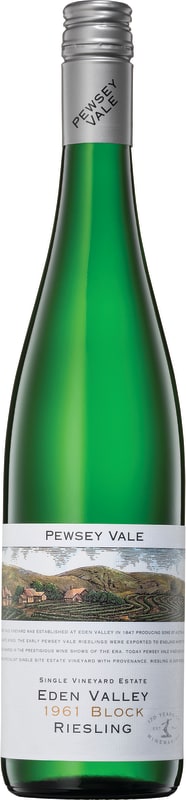


Winemaker Notes
The 2017 vintage marks the inaugural release of the Pewsey Vale Vineyard 1961 Block Riesling - a new interpretation of Riesling from this historic vineyard. The 1961 Block comes from the oldest vines at Pewsey Vale. Located in the centre of the amphitheatre on a gentle slope that faces due north and embraces the sun from its first to its last rays, this block is the dress circle of Pewsey Vale.
The contours that the vineyard is planted on form natural terraces that maximise the effectiveness of the precious rain when it falls and helps to stop any erosion of the ancient gravel soil. This wine is proof that a healthy biodiverse vineyard needs little winemaking intervention as the grapes and yeast from the vineyard combine perfectly to make this wine.
Professional Ratings
-
James Suckling
A new bottling of the oldest and best parcel on the vineyard. This has a greater sense of depth and fleshy concentration. Steely and stony notes with pure lemon citrus. The palate has excellent texture and pithy concentration. Drink or hold.
-
Decanter
From a single, well-exposed, north-facing block comprising Pewsey Vale’s oldest vines, planted in 1961. Working with its inherent richness, this naturally fermented cuvée spent five months on its lees, accentuating the vineyard’s signature soft, seamlessly integrated acidity and dialling down its lemon and lime fruit. The result? A slow burning, delicately chalk-sluiced saline palate with an edge of lemon thyme. It has wonderful clarity, minerality and length with, doubtless, plenty of layers to come. Drinking Window 2018 - 2030
-
Robert Parker's Wine Advocate
A selection of the oldest vines on the property, the 2017 1961 Block Riesling is tighter and zestier than the regular bottling, yet it also shows a hint of peach to go along with green apple and lime. Light to medium-bodied, it closes with notes of citrus pith and wet stones. Drink it now or in 10-plus years.


Riesling possesses a remarkable ability to reflect the character of wherever it is grown while still maintaining its identity. A regal variety of incredible purity and precision, this versatile grape can be just as enjoyable dry or sweet, young or old, still or sparkling and can age longer than nearly any other white variety. Somm Secret—Given how difficult it is to discern the level of sweetness in a Riesling from the label, here are some clues to find the dry ones. First, look for the world “trocken.” (“Halbtrocken” or “feinherb” mean off-dry.) Also a higher abv usually indicates a drier Riesling.
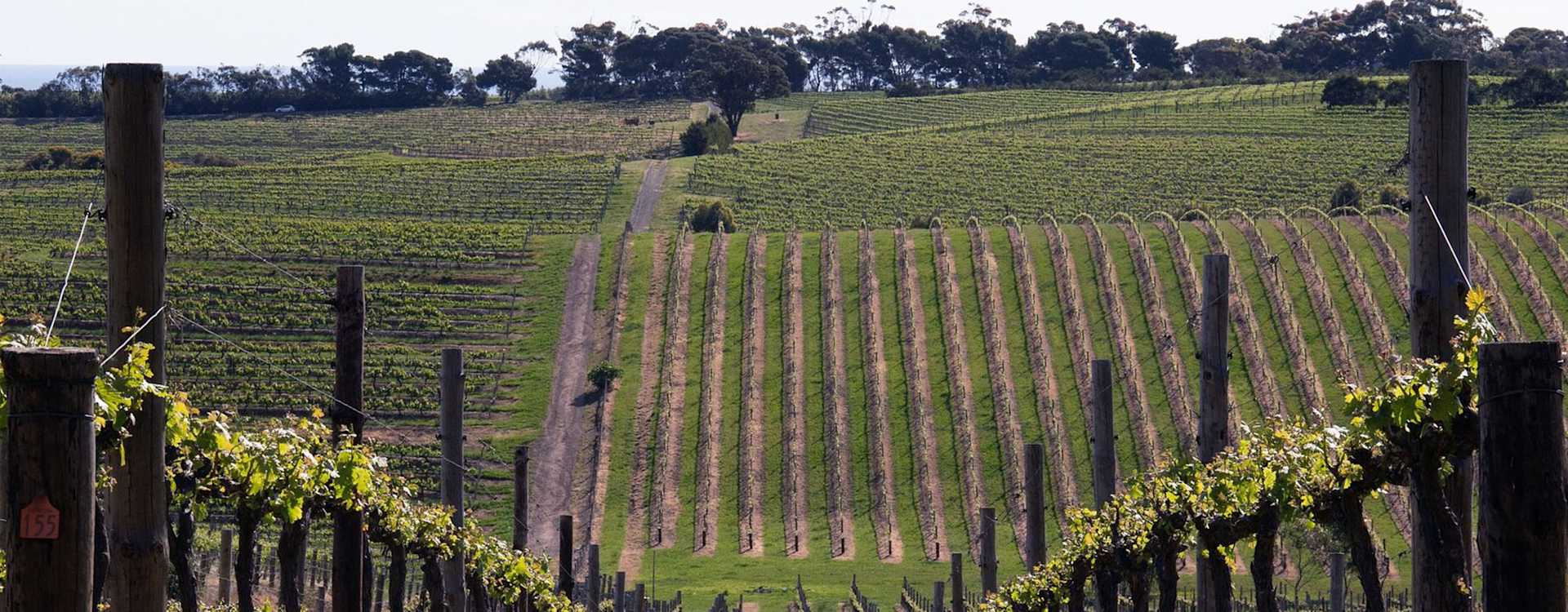
Higher in elevation and topographically more dramatic than the Barossa Valley floor, Eden Valley abuts it to its south and east. While it is a bit of an extension of Barossa, Eden Valley is topographically different than the pastoral Barossa Valley, and is composed of rocky hills and eucalyptus groves.
Recognizing Eden Valley’s potential with Riesling in the 1960s and 70s, producers started to move their Riesling production from Barossa to these better sites where schist soils on hilltops would produce more steely, tart and age-worthy examples. A most famous site, planted by Colin Gramp, called Steingarten, today produces one of the most outstanding Australian Rieslings. Youthful Eden Valley Rieslings express floral, grapefruit and mineral, while with time in the bottle, they become increasingly toasty and complex.
Riesling isn’t the only grape the region can grow; undeniably at lower altitudes Shiraz does very well. Mount Edelstone is a notable vineyard as well as the Hill of Grace, which boasts healthy Shiraz vines well over 100 years old. This is the only Australian region where Merlot has a made a name for itself and Chardonnay can be spectacular, particularly from the High Eden subregion in the southern valley.