
Winemaker Notes
Professional Ratings
-
Robert Parker's Wine Advocate
The Point Rouge cuvee, which is a selection of the top barrels, tends to be made in a limited quantity, and, according to Nick Morlet, is meant to be cellared for 25+ years. The 2012 Chardonnay Point Rouge appears to be perfection in the making. This flawless wine reveals abundant quantities of everything one could hope for in a Chardonnay – wet rocks, peach and apricot marmalade, spring flowers, subtle spice and a magnificently rich, full-bodied mouthfeel with that characteristic the French call sucrosite from ripeness, not residual sugar. The finish lasts nearly 45 seconds. This beautiful Chardonnay should drink well for 10-15 years as well.
-
Wine Spectator
Chardonnay doesn’t get much better than this. Zeros in on a smooth, rich core of tropical fruit, pineapple, guava, tangerine and nectarine flavors, giving this a brilliant range of fruit to draw upon. Sails along on a long, persistent finish, offering layer after layer of fruit complexity and ending with a kiss of toasty oak. Drink now through 2020.


One of the most popular and versatile white wine grapes, Chardonnay offers a wide range of flavors and styles depending on where it is grown and how it is made. While it tends to flourish in most environments, Chardonnay from its Burgundian homeland produces some of the most remarkable and longest lived examples. California produces both oaky, buttery styles and leaner, European-inspired wines. Somm Secret—The Burgundian subregion of Chablis, while typically using older oak barrels, produces a bright style similar to the unoaked style. Anyone who doesn't like oaky Chardonnay would likely enjoy Chablis.
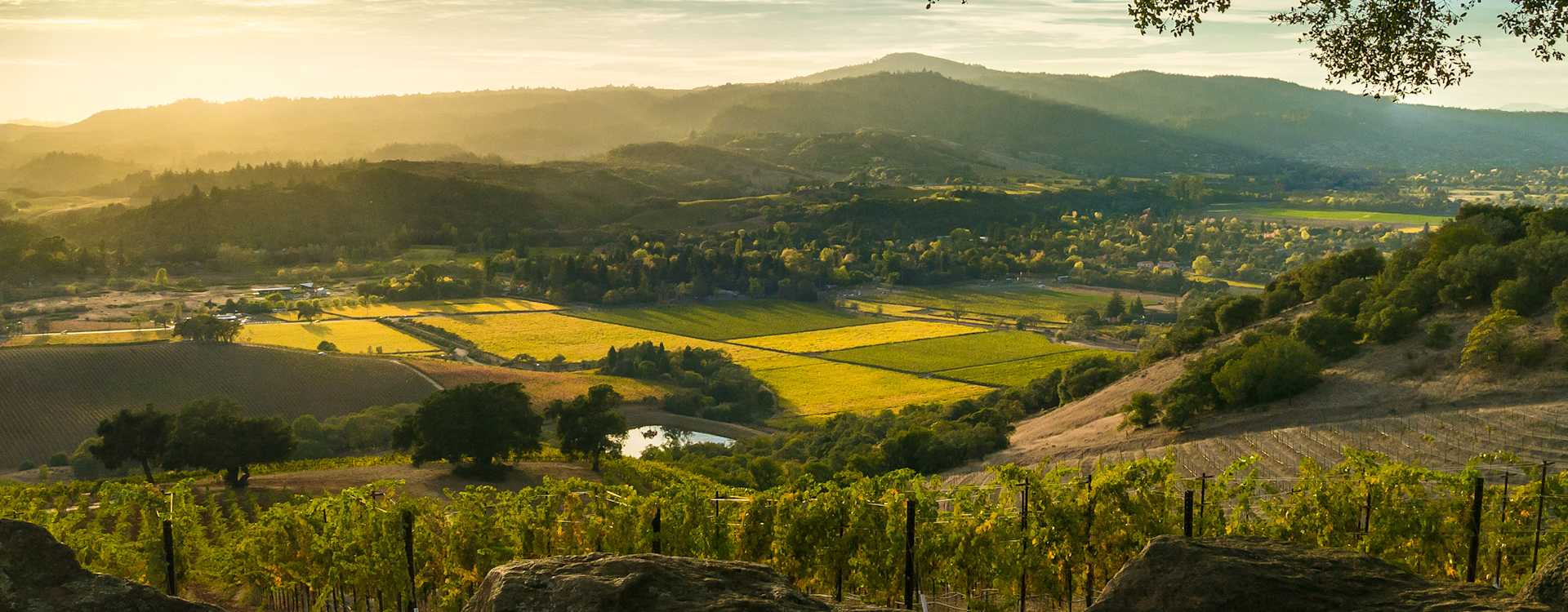
A small and picturesque valley separating Napa Valley on its south border and Alexander Valley to its north, Knights Valley excels in similar varieties as the two aforementioned appellations, namely red Bordeaux varieties and blends, as well as Sauvignon blanc. Originally established by Beringer Vineyards, today several outstanding producers claim acreage here. The circadian cooling effects of the nearby Pacific Ocean create a nighttime respite for vineyards during the hot growing season.