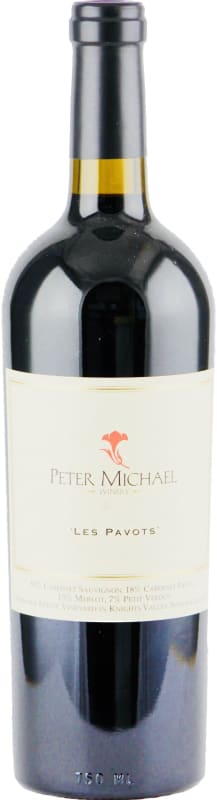


Winemaker Notes
Blend: 62% Cabernet Sauvignon, 18% Cabernet Franc, 13% Merlot, 7% Petit Verdot
Professional Ratings
-
James Suckling
Blackberries, blueberries, raspberry kir, sweet tobacco and black truffle. Full bodied with chewy tannins and superb texture and length. Extremely poised and powerful. Finishes with so much fresh leather and blueberries. Goes on for minutes. Try after 2023.
-
Jeb Dunnuck
A solid step up, the 2016 Les Pavots comes from vines planted in 1989 and is a mix of two separate sites in Knights Valley. This straight-up phenomenal Cabernet offers a powerful nose of ripe black fruits, tobacco leaf, chocolate, and spring flowers, and it has a Margaux-like complexity and elegance. Full-bodied on the palate, it has a multi-dimensional, seamless texture, building tannins, and a great, great finish. It’s a baby of a wine that needs 4-5 years of bottle age, but it will probably merit a triple-digit score in 7-8 years and keep for three decades. Rating: 98+
-
Robert Parker's Wine Advocate
A blend of 62% Cabernet Sauvignon, 18% Cabernet Franc, 13% Merlot and 7% Petit Verdot, the very deep purple-black colored 2016 Les Pavots Proprietary Red Wine sings of crushed blackcurrants, blueberry preserves and blackberry pie with hints of camphor, black soil, truffles, crushed rocks and red roses plus a touch of garrigue. Full, rich and with wonderful finesse in the mouth, it has very finely grained tannins and plenty of vivacity, finishing long and earthy. 3,700 cases produced, to be released in the spring of 2019.
Rating: 95+ -
Wine Spectator
This delivers good intensity, with a racy and defined beam of plum sauce, black currant preserves and black licorice, all carried by a graphite spine. On the toasty side, with fruit to match. Very solidly built. Cabernet Sauvignon, Cabernet Franc, Merlot and Petit Verdot.


One of the world’s most classic and popular styles of red wine, Bordeaux-inspired blends have spread from their homeland in France to nearly every corner of the New World. Typically based on either Cabernet Sauvignon or Merlot and supported by Cabernet Franc, Malbec and Petit Verdot, the best of these are densely hued, fragrant, full of fruit and boast a structure that begs for cellar time. Somm Secret—Blends from Bordeaux are generally earthier compared to those from the New World, which tend to be fruit-dominant.
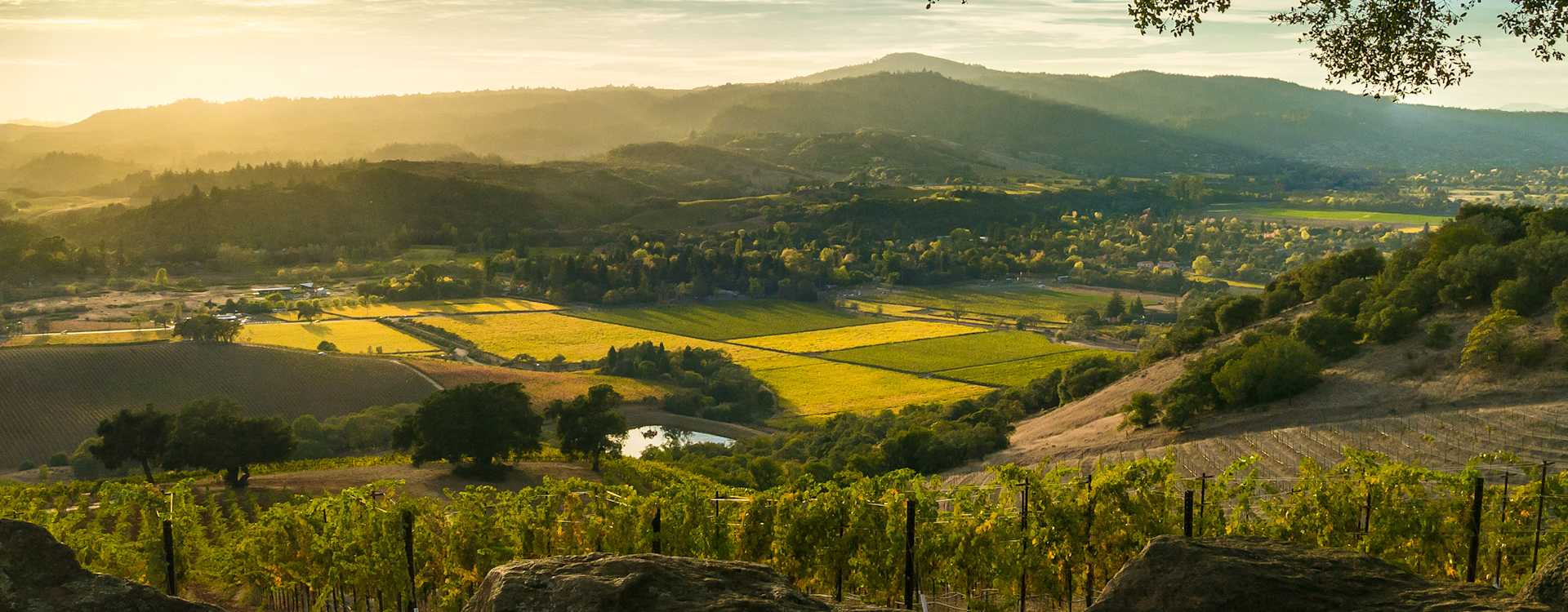
Home to a diverse array of smaller AVAs with varied microclimates and soil types, Sonoma County has something for every wine lover. Physically twice as large as Napa Valley, the region only produces about half the amount of wine but boasts both tremendous quality and variety. With its laid-back atmosphere and down-to-earth attitude, the wineries of Sonoma are appreciated by wine tourists for their friendliness and approachability. The entire county intends to become a 100% sustainable winegrowing region by 2019.
Sonoma County wines are produced with carefully selected grape varieties to reflect the best attributes of their sites—Dry Creek Valley’s consistent sunshine is ideal for Zinfandel, while the warm Alexander Valley is responsible for rich, voluptuous red wines like Cabernet Sauvignon. Chardonnay and Pinot Noir are important throughout the county, most notably in the cooler AVAs of Russian River, Sonoma Coast and Carneros. Sauvignon Blanc, Merlot and Syrah have also found a firm footing here.