


Winemaker Notes
Professional Ratings
-
Jeb Dunnuck
If it wasn't for the Point Rouge, the 2017 Chardonnay Cuvee Indigene would have been my favorite in this stacked lineup. Coming from a barrel selection from the estate vineyards, it offers an extraordinary bouquet of honeyed citrus, toasted brioche, white flowers, a hint of marine-like salinity, and caramelized apples. This is followed by a full-bodied Chardonnay that has a concentrated mid-palate, building structure and acidity, and a liqueur of rocks-like minerality on the finish. It's a flawlessly put together Chardonnay that's going to benefit from a year or two in bottle and keep for over a decade.
-
Robert Parker's Wine Advocate
The 2017 Chardonnay Cuvee Indigene springs from the glass with graceful lemon and pear drops scents followed by wafts of honeycomb, ginger ale, jasmine and nutmeg plus hints of sassafras, fragrant hay and almond croissant. Medium to full-bodied, the palate has impressive elegance for this generally more decadent vintage, featuring loads of mineral and savory sparks and seamless freshness, finishing long and with an edifying perfume. 517 cases were made.
-
Wine Spectator
Vibrant and pure-tasting, with notes of dried sage to the mineral-driven Fuji apple, Asian pear and white currant flavors. Flinty accents emerge midpalate, leading to a focused finish that features lemon drop hints, powered by fresh acidity. Best from 2022 through 2027.


One of the most popular and versatile white wine grapes, Chardonnay offers a wide range of flavors and styles depending on where it is grown and how it is made. While it tends to flourish in most environments, Chardonnay from its Burgundian homeland produces some of the most remarkable and longest lived examples. California produces both oaky, buttery styles and leaner, European-inspired wines. Somm Secret—The Burgundian subregion of Chablis, while typically using older oak barrels, produces a bright style similar to the unoaked style. Anyone who doesn't like oaky Chardonnay would likely enjoy Chablis.
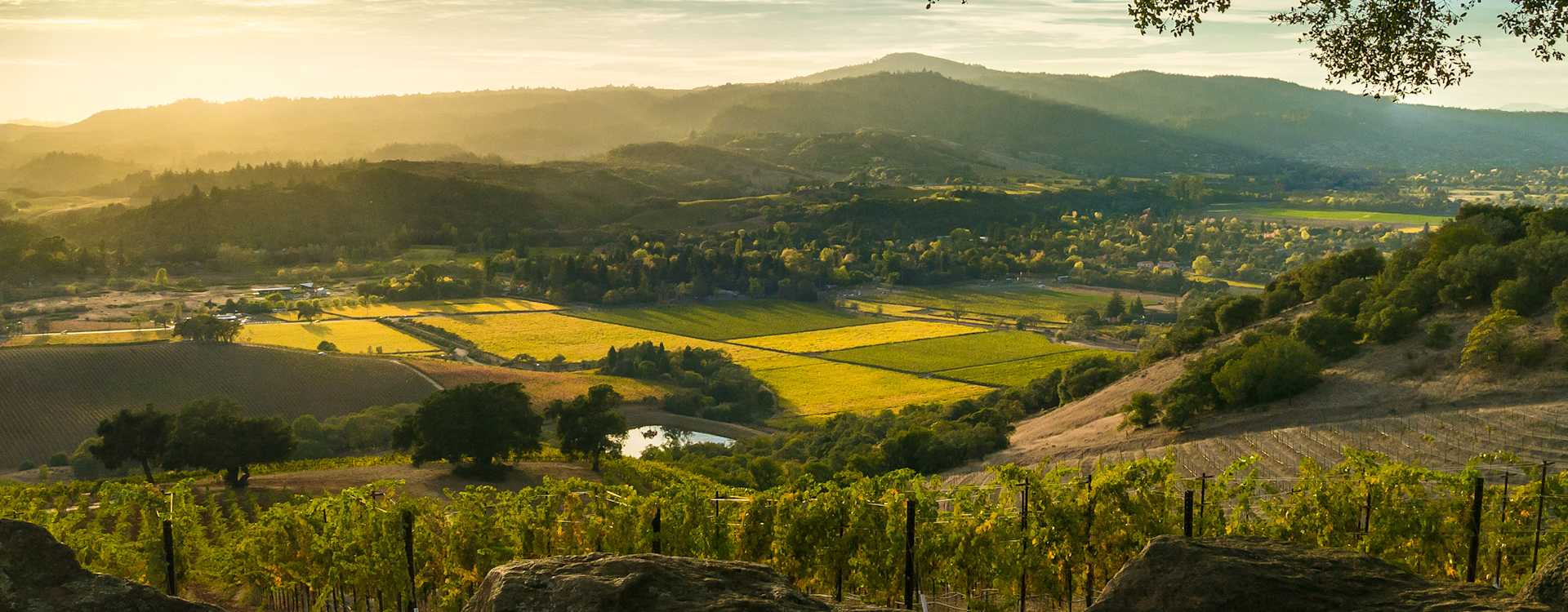
A small and picturesque valley separating Napa Valley on its south border and Alexander Valley to its north, Knights Valley excels in similar varieties as the two aforementioned appellations, namely red Bordeaux varieties and blends, as well as Sauvignon blanc. Originally established by Beringer Vineyards, today several outstanding producers claim acreage here. The circadian cooling effects of the nearby Pacific Ocean create a nighttime respite for vineyards during the hot growing season.