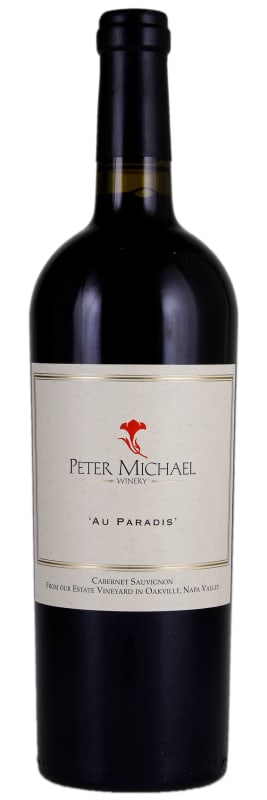


Winemaker Notes
Blend: 76% Cabernet Sauvignon, 13% Merlot, 11% Cabernet Franc
Professional Ratings
-
Jeb Dunnuck
Coming from Oakville, the 2018 Au Paradis gives up a deep ruby/purple hue as well as full-bodied aromas and flavors of blackcurrants, green tobacco, lead pencil, sandalwood, and dried flowers. Flawlessly balanced, full-bodied, with silky yet present tannins, it's one of those elegant, seamless wines that surprise you with its richness and depth. It reminds me of a great vintage from Chateau Ducru Beaucaillou and is a brilliant, elegant, complex Cabernet that will evolve for two decades or more.
-
James Suckling
Gorgeous aromas of currants, blackberries, sweet tobacco and violets follow through to a full body with round, finely chewy tannins and a gorgeous finish of fruit, iodine and graphite. But always pretty fruit there. 76% cabernet sauvignon, 13% merlot and 11% cabernet franc. Better after 2024.
-
Robert Parker's Wine Advocate
Peter Michael’s Au Paradis vineyard is composed of the red, rocky, volcanic soils common to parts of Pritchard Hill, which makes sense since it is located in Oakville foothills, below Continuum and above Dalla Valle. Composed of 76% Cabernet Sauvignon, 13% Merlot and 11% Cabernet Franc, the medium to deep garnet-purple colored 2018 Cabernet Sauvignon Au Paradis sashays out of the glass with gorgeous notes of kirsch, cassis and redcurrant jelly, plus suggestions of garrigue, clove oil, lavender and spearmint with a touch of cast-iron pan. The medium to full-bodied palate is packed with bright, crunchy black fruit flavors, lifted by herbal and red fruit sparks and textured with firm, grainy tannins, finishing on a lingering ferrous note. 2,171 cases were made.


One of the world’s most classic and popular styles of red wine, Bordeaux-inspired blends have spread from their homeland in France to nearly every corner of the New World. Typically based on either Cabernet Sauvignon or Merlot and supported by Cabernet Franc, Malbec and Petit Verdot, the best of these are densely hued, fragrant, full of fruit and boast a structure that begs for cellar time. Somm Secret—Blends from Bordeaux are generally earthier compared to those from the New World, which tend to be fruit-dominant.
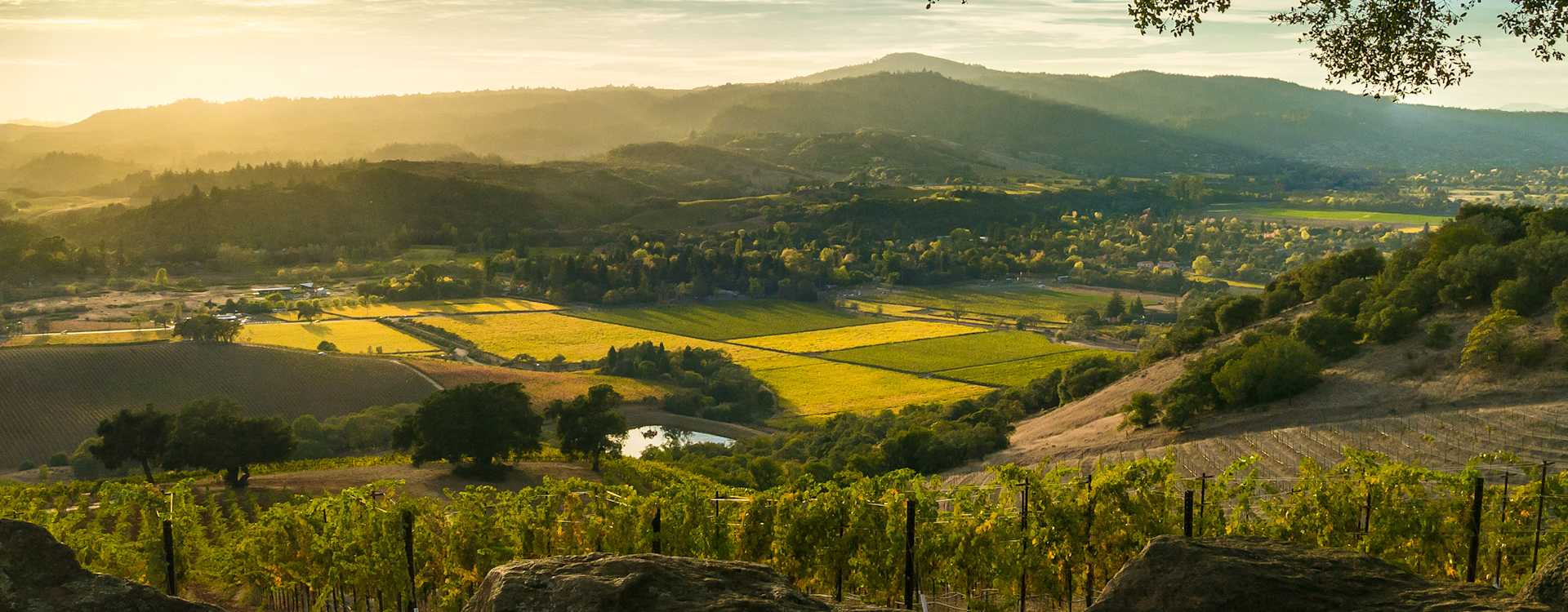
Home to a diverse array of smaller AVAs with varied microclimates and soil types, Sonoma County has something for every wine lover. Physically twice as large as Napa Valley, the region only produces about half the amount of wine but boasts both tremendous quality and variety. With its laid-back atmosphere and down-to-earth attitude, the wineries of Sonoma are appreciated by wine tourists for their friendliness and approachability. The entire county intends to become a 100% sustainable winegrowing region by 2019.
Sonoma County wines are produced with carefully selected grape varieties to reflect the best attributes of their sites—Dry Creek Valley’s consistent sunshine is ideal for Zinfandel, while the warm Alexander Valley is responsible for rich, voluptuous red wines like Cabernet Sauvignon. Chardonnay and Pinot Noir are important throughout the county, most notably in the cooler AVAs of Russian River, Sonoma Coast and Carneros. Sauvignon Blanc, Merlot and Syrah have also found a firm footing here.