

Winemaker Notes
Professional Ratings
-
Wine Spectator
Dense and toothsome, with sink-your-teeth-into-them tannins that add a wonderful richness and density to the generous flavors of dark chocolate–covered coffee bean, kirsch, sage and cassis. The harmony keeps building on the finish. Drink now through 2035.
-
Robert Parker's Wine Advocate
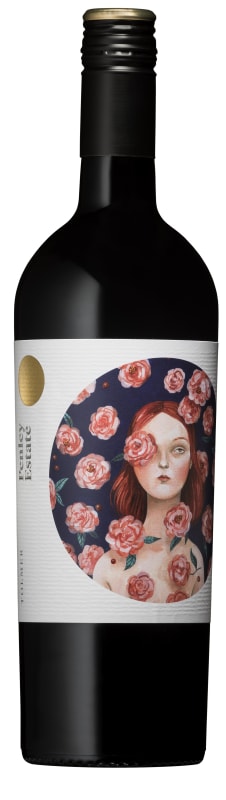
The 2018 Tolmer Cabernet Sauvignon boasts classic cassis aromas, tinged with mint and cedar. It's medium-bodied and slightly dusty on the palate, with a fine sense of proportion and balance. Not heavy or overly rich, it provides plenty of flavor while finishing fresh and clean.
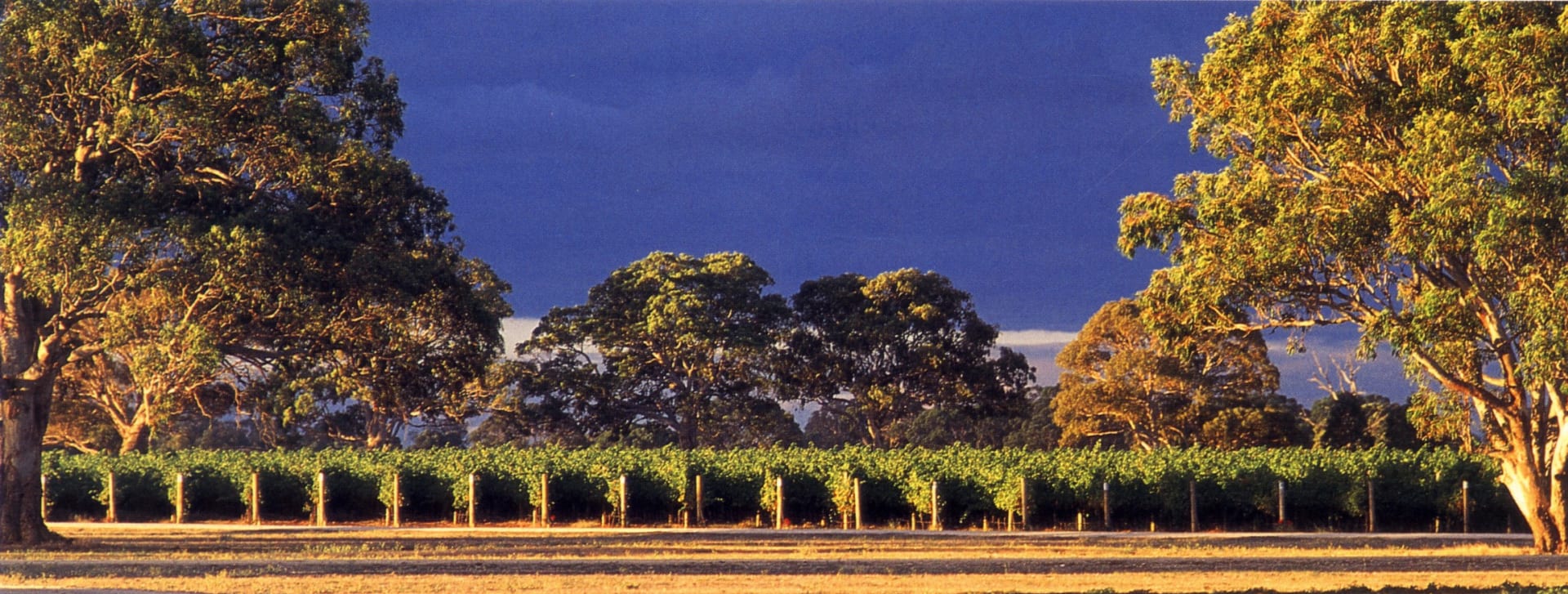




Penley Estate is located in the center of Australia's most famous Cabernet region: Coonawarra. Continuing a family tradition that spans five generations, the winery was established in 1988 when the Tolley children continued the winemaking heritage of their pioneering families, Penfold and Tolley, both storied names in the Australian wine industry. In 1844, Mary Penfold defied stereotypes and was the driving force behind the establishment of McGill Estate. Similarly, from 1948-1961, Gladys Penfold Hyland was Penfold's Chairman of the Board. Their descendants, sisters Bec and Ang Tolley, run Penley Estate, proudly channeling the vim and might of their ancestors. Penley Estate's 240 acres of vineyards were planted atop Coonawarra's "terra rossa" soils with the aim of producing terroir-driven wines with distinctive regional character, and is now regarded as one of the region's leading Cabernet and Shiraz producers.

A noble variety bestowed with both power and concentration, Cabernet Sauvignon enjoys success all over the globe, its best examples showing potential to age beautifully for decades. Cabernet Sauvignon flourishes in Bordeaux's Medoc where it is often blended with Merlot and smaller amounts of some combination of Cabernet Franc, Malbecand Petit Verdot. In the Napa Valley, ‘Cab’ is responsible for some of the world’s most prestigious, age-worthy and sought-after “cult” wines. Somm Secret—DNA profiling in 1997 revealed that Cabernet Sauvignon was born from a spontaneous crossing of Cabernet Franc and Sauvignon Blanc in 17th century southwest France.

Distinguished by a thin, subterranean band of crumbled, red clay loam, Coonawarra is a fairly flat, otherwise unobtrusive region with a cool Mediterranean climate, actually not dissimilar to Bordeaux.
In Coonawarra, this unique layer of red clay is called, "terra rossa" and gets its color from iron oxide. The terra rossa soil overlies soft, penetrable limestone, in a continuous area that is part of the Limestone Coast zone of South Australia. This uncommon layering of soils creates a substrate that is both well draining and at the same time, offers good water retention to support vine roots through dry summers.
Not surprisingly, Coonawara experiences great success with the Bordeaux varieties, namely Cabernet Sauvignon and Merlot, but also Shiraz. However Cabernet reigns superior and accounts for half of the Coonawarra harvest each year. Coonawarra Cabernet Sauvignon develops powerful, yet polished tannins, ripe, red berry fruit and often sweet herb or dried mint qualities. The region has an increased focus on the individual expressions of single vineyards.