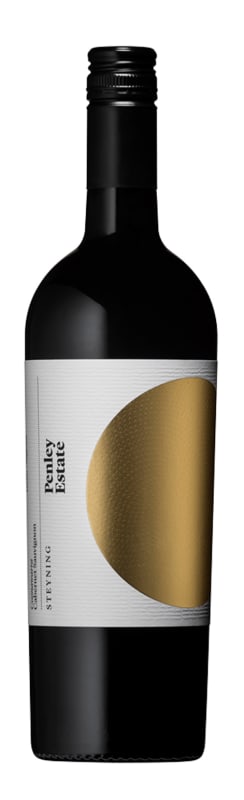


Winemaker Notes
Professional Ratings
-
Robert Parker's Wine Advocate
Deep garnet-purple, the 2013 Steyning Cabernet Sauvignon opens with expressive crème de cassis, blackberry pie and menthol notes with hints of cigar boxes, sandalwood and yeast extract. Medium to full-bodied, the concentrated, minty black berry and savory flavors fill the mouth, supported by finely grained tannins and plenty of freshness, finishing long and layered.
-
Wine Spectator
This fresh red has a juicy thread and a fragrant note of peppermint oil to highlight the core of wild blackberry, cassis and robust cigar box flavors. Generous and expressive, showing harmony on the finish. Drink now through 2030.


A noble variety bestowed with both power and concentration, Cabernet Sauvignon enjoys success all over the globe, its best examples showing potential to age beautifully for decades. Cabernet Sauvignon flourishes in Bordeaux's Medoc where it is often blended with Merlot and smaller amounts of some combination of Cabernet Franc, Malbecand Petit Verdot. In the Napa Valley, ‘Cab’ is responsible for some of the world’s most prestigious, age-worthy and sought-after “cult” wines. Somm Secret—DNA profiling in 1997 revealed that Cabernet Sauvignon was born from a spontaneous crossing of Cabernet Franc and Sauvignon Blanc in 17th century southwest France.

Distinguished by a thin, subterranean band of crumbled, red clay loam, Coonawarra is a fairly flat, otherwise unobtrusive region with a cool Mediterranean climate, actually not dissimilar to Bordeaux.
In Coonawarra, this unique layer of red clay is called, "terra rossa" and gets its color from iron oxide. The terra rossa soil overlies soft, penetrable limestone, in a continuous area that is part of the Limestone Coast zone of South Australia. This uncommon layering of soils creates a substrate that is both well draining and at the same time, offers good water retention to support vine roots through dry summers.
Not surprisingly, Coonawara experiences great success with the Bordeaux varieties, namely Cabernet Sauvignon and Merlot, but also Shiraz. However Cabernet reigns superior and accounts for half of the Coonawarra harvest each year. Coonawarra Cabernet Sauvignon develops powerful, yet polished tannins, ripe, red berry fruit and often sweet herb or dried mint qualities. The region has an increased focus on the individual expressions of single vineyards.