
Winemaker Notes
A balanced combination of citrus fruit, creamy yeast-derived characters, toasted oak, and smoked bacon. Rich yet refined in its flavours; the oak, batonnage (stirring) of the yeast lees and malolactic fermentation have contributed to the length without dominating the palate. The finish is clean, lively, and refreshing. Food Matches: Ideally suited to Pasta, Chicken, and Seafood.
The Thomas Hyland range honours the pioneering spirit of Thomas Hyland, son-in-law of Dr. Penfold, who helped to guide the winery to greatness after the founder passed away in 1870. Dr. Penfold's belief in Thomas proved to be fortuitous as he carried out and never wavered from Dr. Penfold's passion for greatness and quality.
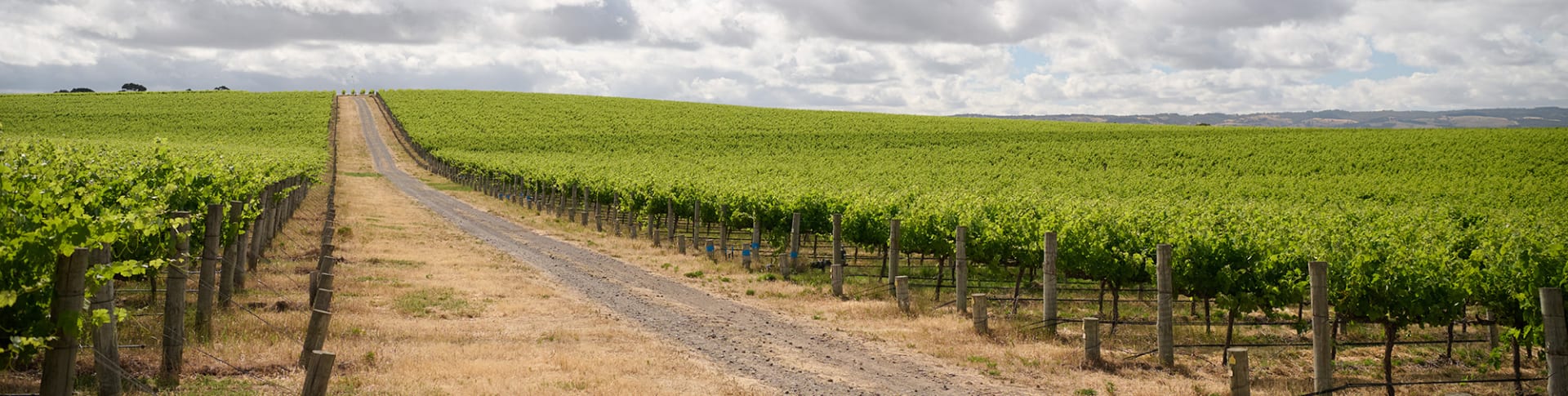
The 2001 Penfolds Thomas Hyland Chardonnay was sourced from the premium grape-growing district of Adelaide Hills in South Australia. The Adelaide Hills region offers picturesque vineyard locations with wide variation of slope, aspect, and soil type. What these locations have in common is altitude (1,312 feet or above) and a generally cool climate offering the slow ripening conditions required for premium-quality wine grape growing.
Professional Ratings




Since 1844, Penfolds has been grounded in experimentation, curiosity and uncompromising quality. Their success has been driven by a lineage of visionary winemakers. It began with Dr. Christopher and Mary Penfold, the pioneers who dreamed big, inventing tonics, brandies, and fortified wines made from grapes and Australian sunshine. It continued with celebrated winemaking legends including Max Schubert, who pushed the development to extraordinary, bold new heights. It is this pioneering spirit and curiosity that still rings true after nearly two centuries, it is what has helped Penfolds become one of the most celebrated winemakers in the world today.

One of the most popular and versatile white wine grapes, Chardonnay offers a wide range of flavors and styles depending on where it is grown and how it is made. While it tends to flourish in most environments, Chardonnay from its Burgundian homeland produces some of the most remarkable and longest lived examples. California produces both oaky, buttery styles and leaner, European-inspired wines. Somm Secret—The Burgundian subregion of Chablis, while typically using older oak barrels, produces a bright style similar to the unoaked style. Anyone who doesn't like oaky Chardonnay would likely enjoy Chablis.

A large, climatically diverse country with incredibly diverse terrain, producing just about every wine style imaginable, Australia has a grand winemaking history and some of the oldest vines on the planet. Both red wine and white wine from Australian are wildly popular and beloved. Most of Australia's wine regions are concentrated in the south of the country with those inland experiencing warm, dry conditions and those in coastal areas receiving tropical, maritime or Mediterranean weather patterns. Australia has for several decades been at the forefront of winemaking technology and has widely adopted the use of screwcaps, even for some premium and ultra-premium bottles. Thanks to the country’s relatively agreeable climate throughout and the openness of its people, experimentation is common and ongoing.
Shiraz is indeed Australia’s most celebrated and widely planted variety; Barossa Valley leads the way, producing exceptionally bold and supple versions. Cabernet Sauvignon, Australia's second most planted variety, can be blended with Shiraz but also shines on its own particularly in Coonawarra and Margaret River. Grenache and Mourvèdre are also popular, both on their own and alongside Shiraz in Rhône Blends. Chardonnay is common throughout the country and made in a wide range of styles. Sauvignon Blanc has recently surged in popularity to compete with New Zealand’s distinctive version and Semillon is often blended in Margaret River or shines on its own in the Hunter Valley. Riesling thrives in the cool-climate Clare and Eden Valleys. Sticky-sweet fortified wine Rutherglen is a beloved regional specialty of Victoria.