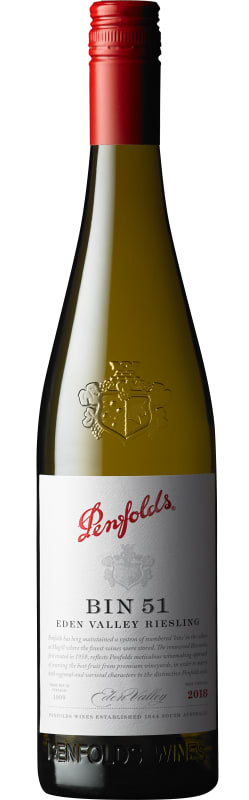


Winemaker Notes
Created in the 1990s as part of the evolving Penfolds white wine development program, Bin 51 captures many of the attributes of the Eden Valley locale. The region’s high altitude and cool climate induces riesling with great finesse and elegance with a capacity for long-term cellaring. South Australia has gained worldwide recognition for producing definitive world-class Riesling and Eden Valley always features. In their youth, the wines possess scented floral and citrus aromas, with a mineral edge and marked natural acidity, contributing significantly to the palate texture and flavor. The evolution of Penfolds Bin 51 Eden Valley Riesling opens another chapter in a long history of Penfolds involvement in winemaking from this variety.
Professional Ratings
-
James Suckling
An expressive and ripe wine that moves through citrus and into peach/nectarine stone fruits, sweet-smelling jasmine-like florals and background minerals. The palate has a smoothly rendered, concentrated and fleshy feel to it, deeply ripe cumquat and mandarin fruit flavours, plenty of weight here. Drink now to 2025.
-
Wine Enthusiast
Compared to other Eden Valley Rieslings of this caliber, this is steeply priced. But it is nevertheless a top drop, even if the nose is reminiscent more of a Kiwi Sauvignon Blanc than an Eden Riesling! Pungent aromas of grapefruit, lime, snow peas and white pepper are carried through to the almost spritzy palate which comes with balanced prickly acidity. Still a baby, this should cellar 2030.


Since 1844, Penfolds has been grounded in experimentation, curiosity and uncompromising quality. Their success has been driven by a lineage of visionary winemakers. It began with Dr. Christopher and Mary Penfold, the pioneers who dreamed big, inventing tonics, brandies, and fortified wines made from grapes and Australian sunshine. It continued with celebrated winemaking legends including Max Schubert, who pushed the development to extraordinary, bold new heights. It is this pioneering spirit and curiosity that still rings true after nearly two centuries, it is what has helped Penfolds become one of the most celebrated winemakers in the world today.

Riesling possesses a remarkable ability to reflect the character of wherever it is grown while still maintaining its identity. A regal variety of incredible purity and precision, this versatile grape can be just as enjoyable dry or sweet, young or old, still or sparkling and can age longer than nearly any other white variety. Somm Secret—Given how difficult it is to discern the level of sweetness in a Riesling from the label, here are some clues to find the dry ones. First, look for the world “trocken.” (“Halbtrocken” or “feinherb” mean off-dry.) Also a higher abv usually indicates a drier Riesling.
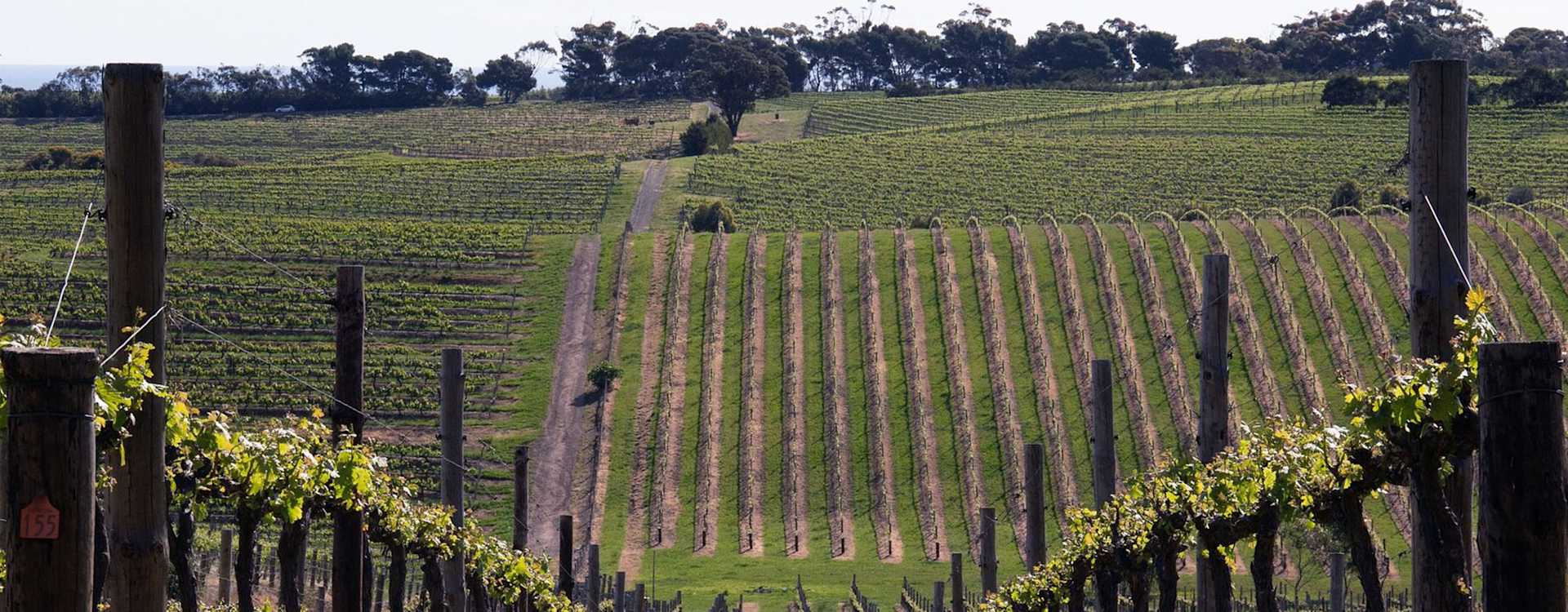
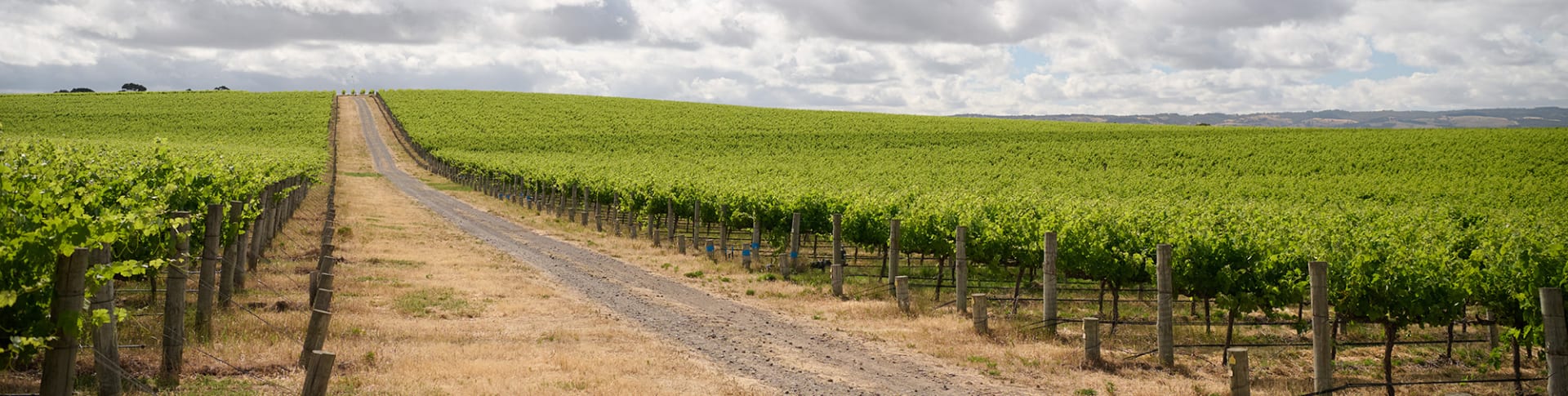
Higher in elevation and topographically more dramatic than the Barossa Valley floor, Eden Valley abuts it to its south and east. While it is a bit of an extension of Barossa, Eden Valley is topographically different than the pastoral Barossa Valley, and is composed of rocky hills and eucalyptus groves.
Recognizing Eden Valley’s potential with Riesling in the 1960s and 70s, producers started to move their Riesling production from Barossa to these better sites where schist soils on hilltops would produce more steely, tart and age-worthy examples. A most famous site, planted by Colin Gramp, called Steingarten, today produces one of the most outstanding Australian Rieslings. Youthful Eden Valley Rieslings express floral, grapefruit and mineral, while with time in the bottle, they become increasingly toasty and complex.
Riesling isn’t the only grape the region can grow; undeniably at lower altitudes Shiraz does very well. Mount Edelstone is a notable vineyard as well as the Hill of Grace, which boasts healthy Shiraz vines well over 100 years old. This is the only Australian region where Merlot has a made a name for itself and Chardonnay can be spectacular, particularly from the High Eden subregion in the southern valley.